We use cookies to improve your experience on our site, analyze site traffic, and assist in our marketing efforts. By clicking "Accept all," you agree to the storing of cookies on your device. You can choose to "Reject all" non-essential cookies. For more information, please read our Cookie Policy.
Commercial Building Survey: The Complete 2026 UK Guide
A commercial building survey reveals the true condition, defects and repair liabilities of a commercial property before you buy, lease or refurbish. This 2026 guide covers scope, survey types, costs, timescales and current UK regulations.
A commercial building survey is one of the most valuable pieces of due diligence you can carry out before buying, leasing, refinancing or refurbishing any commercial property in the UK. Whether you are acquiring a small high-street shop, a warehouse, an office block or a mixed-use investment, a thorough commercial building survey reveals the true condition of the building, the repairs and liabilities you would inherit, and the questions you should be asking before you commit. This complete 2026 guide explains exactly what a commercial building survey covers, the different types and levels available, indicative costs and timescales, and the latest regulatory changes – including reforms to commercial energy-efficiency rules – that every owner and occupier needs to understand this year.
Key takeaways
What is a commercial building survey?
A commercial building survey is a comprehensive inspection of a commercial property carried out by a qualified building surveyor to assess its construction, condition, defects and maintenance liabilities. It produces a written report – often called a building survey or technical due diligence report – that helps buyers, tenants, investors and lenders understand exactly what they are taking on before money changes hands.
Unlike a residential home survey, a commercial building survey is tailored to the wide variety of commercial assets – offices, industrial units, retail premises, leisure and healthcare buildings – and to the specific commercial transaction involved, whether that is a freehold purchase, a new lease, a rent review or a refurbishment. To understand how the two disciplines differ, see our guide on the key differences between residential and commercial surveys.
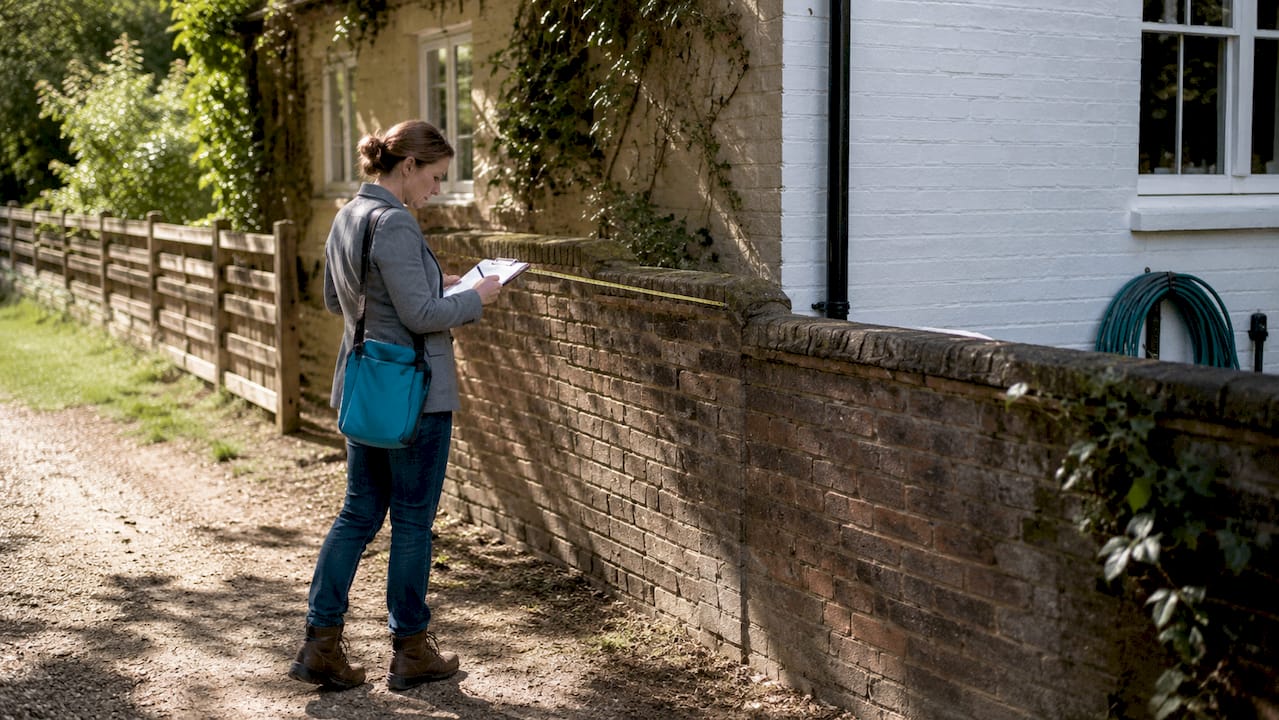
A commercial building survey assesses the structure, fabric and services of offices, retail and industrial premises.
What does a commercial building survey include?
The exact scope is agreed with your surveyor and tailored to the building and the deal, but a thorough commercial building survey generally covers:
For larger acquisitions, this work is often delivered as full technical due diligence in line with the RICS professional standard, which assesses each key building element methodically and sets out what remediation is recommended. For investment and lending decisions, the report frequently sits alongside a separate RICS Red Book valuation.
Types of commercial building survey
There is no single “one size fits all” commercial survey. The most common types are summarised below.
Survey typeBest forWhat it deliversPre-acquisition / building surveyBuyers and long-leaseholdersFull condition assessment, defects, repair liabilities and budget advice before purchase or a long lease.Technical due diligence (TDD)Investors and lendersIn-depth, RICS-standard review of structure, services, statutory compliance and risk for higher-value assets.Schedule of conditionIncoming commercial tenantsA dated, photographic record of condition at lease commencement to limit future repairing liability.Schedule of dilapidationsLandlords and outgoing tenantsAssessment of repair obligations against the lease, typically at or near lease end.Measured / reinstatement surveyOwners and insurersAccurate floor areas or a reinstatement cost assessment for insurance purposes.
Choosing between them depends on your role in the transaction. A new tenant signing a full repairing and insuring (FRI) lease, for example, should strongly consider a schedule of condition to cap their exposure to dilapidations claims, while a buyer needs a full building survey. If you are weighing different inspection types, our explainer on condition surveys versus structural surveys is a useful starting point.
The right type of commercial building survey depends on whether you are buying, leasing or investing.
How much does a commercial building survey cost in the UK?
Commercial survey fees are quoted individually because every building and instruction is different. As an indicative guide, a survey of a small single commercial unit may start from a few hundred pounds, while larger, older or more complex buildings – or full technical due diligence on an investment asset – can run to several thousand pounds. Key cost drivers include floor area, building age and construction, the depth of the report, and any specialist testing (such as asbestos, drainage or structural investigations).
Because pricing is so building-specific, the best approach is to obtain a tailored fixed-fee quote. For a fuller breakdown of the factors involved, read our dedicated guide to commercial building survey costs in the UK.
How long does a commercial building survey take?
The on-site inspection of a typical commercial unit usually takes a few hours to a full day, with larger or multi-let buildings taking longer. The written report is generally delivered within a few working days to two weeks, depending on scope, the need for specialist input and the complexity of the property.
Do you need a commercial building survey before buying or leasing?
A pre-acquisition survey is strongly advised whether you are buying or leasing – from a small industrial unit to a large office or retail premises. It tells you what condition the property is in, whether it is structurally sound, what repairs and liabilities attach to it, and whether specialist investigations are needed. Skipping this step can leave you exposed to repair costs and dilapidations claims that far outweigh the survey fee.
Commercial property is normally sold and let on a caveat emptor (“buyer beware”) basis, and many commercial leases place full repairing obligations on the tenant. That makes independent, accredited advice essential. If a lease is involved, it is also wise to understand mechanisms such as break options – our note on the commercial lease break clause explains why condition evidence matters at every stage of the lease.
Commercial property in 2026: the regulatory changes that matter
Two developments make a current, well-informed commercial building survey more important than ever in 2026.
Energy efficiency and MEES. Under the Minimum Energy Efficiency Standards, it is unlawful for landlords to grant or continue a commercial lease on a property rated EPC F or G unless a valid exemption applies. In 2026 the Government confirmed reforms to the non-domestic MEES regime: proposals point towards commercial buildings above 1,000m² needing an EPC rating of B by 2030, with smaller premises required to reach at least an E, subject to exemptions, while an earlier interim EPC C milestone was dropped. Separately, four new EPC headline metrics – covering energy cost, fabric performance, smart readiness and heating system efficiency – are expected to be introduced from October 2026. A modern survey will flag energy-related risks early so you can budget for upgrades. If you are planning improvements, see our practical tips on how to improve an EPC rating.
Building safety. The Building Safety Act 2022 continues to shape obligations for higher-risk buildings, and RICS guidance on technical due diligence and health-and-safety reporting for commercial property has been strengthened. Where a building falls within scope, surveyors and other practitioners must demonstrate higher levels of competence – another reason to instruct a suitably qualified, accredited professional.
How to choose a commercial building surveyor
The value of any survey depends on the person carrying it out. When instructing a commercial building survey, look for a surveyor who:
A clear, well-evidenced report turns a commercial building survey into a powerful negotiating tool.
Why choose Survey Merchant for your commercial building survey?
Survey Merchant makes it simple to commission a high-quality commercial building survey from a professional matched to your building and your deal. Our panel brings together suitably qualified, accredited surveyors regulated or accredited by recognised bodies such as RICS, CIOB and RPSA, so the expertise always fits the job – from a single retail unit to a multi-let investment. With nationwide UK coverage, fast turnaround, transparent and competitive fixed fees, and genuinely impartial advice, we support you end to end: from agreeing the right scope, through your surveyor's inspection, to a clear report you can use in negotiations. You get local market knowledge, a single point of contact and practical recommendations – not jargon.
A commercial building survey is a detailed inspection of a commercial property by a qualified surveyor, assessing its structure, fabric, services and defects to inform a purchase, lease, refinance or refurbishment decision.
How much does a commercial building survey cost in the UK?
Fees are quoted per building. A small single unit can start from a few hundred pounds, while large, older or complex properties and full technical due diligence can run to several thousand. Size, age, scope and specialist testing are the main cost drivers.
How long does a commercial building survey take?
The site inspection of a typical unit takes a few hours to a full day, with the written report usually delivered within a few working days to two weeks depending on the scope and complexity of the property.
Do I need a survey before buying or leasing a commercial property?
Yes. A pre-acquisition survey reveals the building's condition, structural soundness and repair liabilities before you commit. Commercial property is sold on a caveat emptor basis and leases often place full repairing obligations on tenants.
What is the difference between a commercial building survey and a schedule of condition?
A building survey is a full condition assessment to inform a purchase or long lease, while a schedule of condition is a dated, photographic record taken at lease commencement to limit a tenant's future dilapidations liability.
Does a commercial building need an asbestos survey?
Buildings constructed or refurbished before 2000 may contain asbestos, and duty-holders have legal obligations under the Control of Asbestos Regulations 2012. A commercial building survey flags the likely presence of asbestos and recommends a specialist asbestos survey where needed.