We use cookies to improve your experience on our site, analyze site traffic, and assist in our marketing efforts. By clicking "Accept all," you agree to the storing of cookies on your device. You can choose to "Reject all" non-essential cookies. For more information, please read our Cookie Policy.
Everything UK homeowners need to know about valuation surveyors in 2026: the role, RICS Red Book valuations, costs, when you need one, down valuations and how to choose an accredited surveyor.
A valuation surveyor is the professional you turn to when you need an impartial, expert opinion of what a property is really worth — whether for a mortgage, a probate estate, a divorce settlement, a lease extension or simply peace of mind before you buy or sell. With the average UK house price reaching £270,080 in April 2026 (and £291,000 in England), according to the UK House Price Index, getting the figure right matters more than ever. This 2026 guide explains exactly what a valuation surveyor does, how RICS Red Book valuations work, what they cost, and how to choose the right one.
What is a valuation surveyor?
A valuation surveyor is a suitably qualified, accredited property professional — typically an RICS Registered Valuer — who provides a formal, independent assessment of a property’s market value. They inspect the property, analyse comparable sales and local market evidence, and produce a written report that lenders, courts, HMRC and solicitors will accept as a credible, defensible opinion of value.
Key takeaways
A valuation surveyor gives an impartial, professional opinion of a property’s market value, usually as an RICS Registered Valuer working to the RICS Red Book.
A formal Red Book valuation is different from a free estate-agent appraisal or a lender’s mortgage valuation — it is independent and prepared for a defined purpose.
Typical 2026 fees for a standard residential RICS valuation run from around £250 to £500+, rising for larger or higher-value homes.
The latest RICS Valuation – Global Standards (Red Book) took effect on 31 January 2025, adding mandatory ESG and technology requirements.
You may need a valuation surveyor for buying or selling, remortgaging, probate, inheritance tax, divorce, shared ownership, lease extensions or insurance reinstatement.
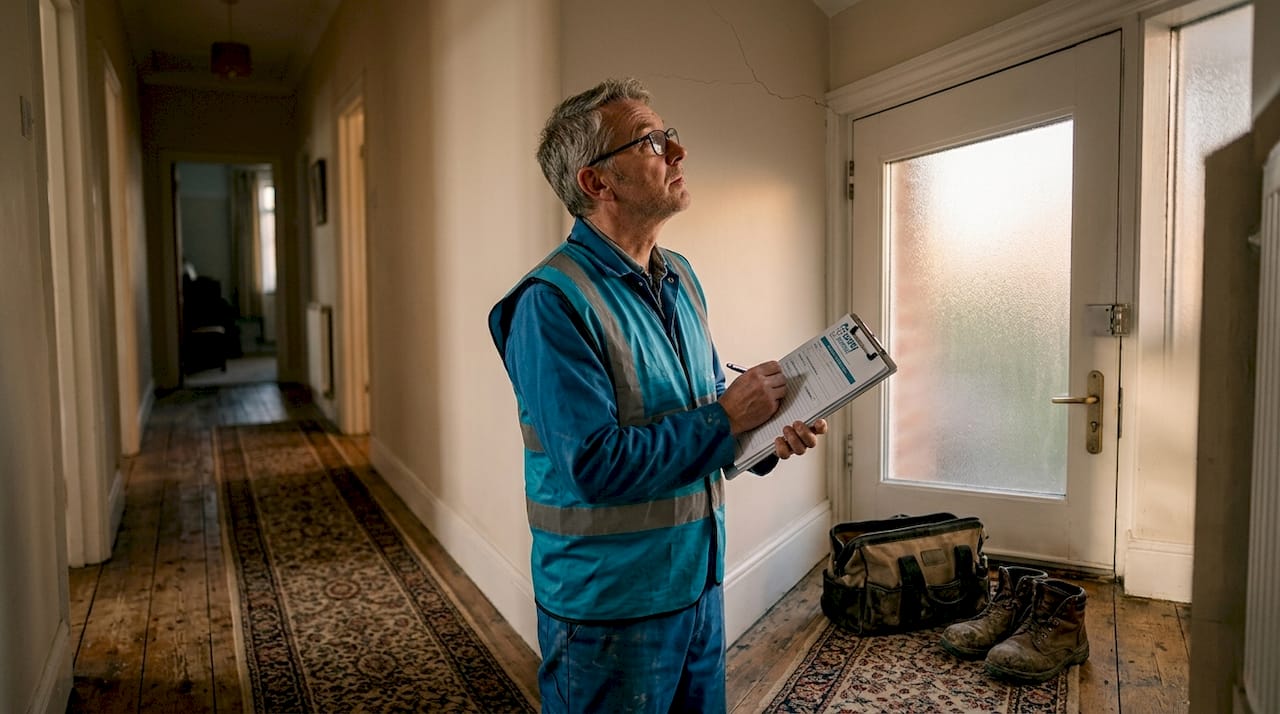
A valuation surveyor inspects the property and weighs up local market evidence before forming an opinion of value.
What does a valuation surveyor do?
The role goes far beyond glancing at a property and naming a price. A professional valuation surveyor follows a structured, evidence-led process so that the final figure stands up to scrutiny. In practice, the work usually involves:
Confirming the purpose and basis of value. Market value for a sale is assessed differently from a probate (date-of-death) value, an insurance reinstatement figure or a value for secured lending.
Inspecting the property. The surveyor records the size, layout, age, construction, condition, location, tenure and any factors — such as extensions, defects or short leases — that affect value.
Analysing comparable evidence. They review recent sales of similar properties nearby, adjusting for differences in size, condition and features.
Considering the wider market. Interest rates, local demand and trends all feed into the judgement.
Producing a written report. The report states the valuation date, the assumptions made, the methodology, and the surveyor’s reasoned opinion of value.
So what do valuation surveyors actually look at? Key factors include the property’s gross internal floor area, the number and type of rooms, the standard of fixtures and finishes, the type of construction and any signs of structural movement or disrepair, the tenure (freehold or leasehold, and the length of any lease), the location and outlook, and recent improvements such as extensions or loft conversions. Crucially, they then weigh these against verified comparable sales rather than asking prices, which is why a professional opinion tends to be more reliable than an automated online estimate. It is worth remembering that a valuation is a professional judgement at a point in time, not an exact science — two valuers can reach slightly different figures, though both should fall within a sensible range supported by the same evidence.
Because the figure is signed off by an accountable professional, it carries weight that an online estimate or an agent’s sales appraisal simply does not. For more detail on the process, see our guide to how to get a property valuation.
What is a RICS Red Book valuation?
The “Red Book” is the RICS Valuation – Global Standards, the mandatory rulebook that RICS members follow when carrying out valuations. A Red Book valuation is a formal opinion of value tied to a defined purpose, a specific valuation date and stated assumptions, prepared by an RICS Registered Valuer. It is the gold standard recognised by banks, lenders, courts and HMRC.
The current edition, RICS Valuation – Global Standards, came into effect on 31 January 2025, aligning with the new International Valuation Standards and, for the first time, introducing mandatory requirements around ESG (environmental, social and governance) data and the responsible use of technology and AI in valuations. In short, modern Red Book valuations are expected to be more transparent and more data-driven than ever. You can read more in our explainers on what a RICS valuation is and the Red Book valuation process.
Valuation surveyor vs estate agent vs mortgage valuation
One of the most common points of confusion is the difference between the three “valuations” a homeowner might encounter. They are not interchangeable.
Type
Who carries it out
Purpose
Independent?
Typical 2026 cost
RICS valuation (Red Book)
Valuation surveyor / RICS Registered Valuer
Formal, defensible market value for lending, tax, legal or sale purposes
Yes
£250–£800+
Mortgage valuation
Lender’s panel surveyor
Confirms the property is adequate security for the loan
For the lender, not you
£0–£300 (often lender-arranged)
Estate-agent appraisal
Estate agent
Suggests an asking price to win the instruction
No (sales-driven)
Free
A lender’s mortgage valuation is carried out for the lender’s benefit and is not a survey of condition. An estate-agent appraisal is free but is influenced by the desire to secure your business. Only an independent valuation surveyor works solely for you and to a recognised professional standard — which is why an independent property valuation is so valuable in disputes, tax matters and high-stakes decisions.
How much does a valuation surveyor cost in 2026?
For a standard residential RICS Red Book valuation, most homeowners in 2026 can expect to pay between £250 and £500, with fees commonly starting around £450 in London and the South East and rising for larger, higher-value or more complex properties. Several factors influence the fee:
Property value and size — higher-value and larger homes take longer to assess.
Location — fees are generally higher in London and the South East.
Complexity — unusual construction, short leases or limited comparable evidence add time.
Always confirm whether a fee is fixed and what the report covers before you instruct. Survey Merchant provides transparent, competitive fixed-fee quotes so there are no surprises.
A Red Book report sets out the valuation date, assumptions and the reasoning behind the surveyor’s opinion of value.
When do you need a valuation surveyor?
You may need a formal, independent valuation in many situations beyond buying and selling, including:
Probate and inheritance tax — HMRC expects a defensible date-of-death valuation for the estate.
Divorce or separation — a fair, impartial matrimonial valuation helps settle financial matters.
Lease extensions and enfranchisement — the premium payable depends on a specialist leasehold valuation.
Shared ownership and staircasing — providers require an RICS valuation before you buy further shares.
Insurance reinstatement — the rebuild cost differs from market value and needs separate assessment.
For estate and tax work in particular, an accountable, professionally prepared figure is essential — our probate valuation guide explains why.
Down valuations: a 2026 watch-point
Industry reporting through 2025 highlighted a rise in “down valuations”, where a lender’s surveyor values a property below the agreed price — often by a few per cent, occasionally more in higher-value markets. Consumer guidance from the HomeOwners Alliance stresses that, while appeals are rarely overturned, presenting strong comparable evidence gives you the best chance. This is exactly where an independent valuation surveyor — armed with robust local data — can help you build a credible case.
How to choose a valuation surveyor
Valuation is regulated work, so the most important step is to use a suitably qualified, accredited surveyor. For formal valuations that means an RICS Registered Valuer; the UK surveying profession is also served by accredited bodies such as RICS, the CIOB and the RPSA, and a good firm will match the right accredited specialist to your job. When choosing, check that the surveyor:
is an RICS Registered Valuer for Red Book work (verify their accreditation — our guide to RICS accreditation explains how);
has clear local experience in your area and property type;
provides a transparent, fixed fee and a defined report scope;
carries professional indemnity insurance; and
is independent of any sale or lending interest in the outcome.
Why choose Survey Merchant for your valuation surveyor?
Survey Merchant makes it simple to instruct the right valuation surveyor for your needs. We work with a carefully vetted panel of accredited surveyors — including RICS, CIOB and RPSA-regulated professionals — and match a suitably qualified RICS Registered Valuer to your specific job, whether it is a probate valuation, a lease extension, a matrimonial matter or a straightforward market valuation. With nationwide UK coverage, fast turnaround, transparent and competitive fixed fees, genuine local expertise and impartial advice you can rely on, we support you from your first enquiry through to a clear, defensible report.
A valuation surveyor inspects a property, analyses comparable sales and market evidence, and produces a formal written report giving an impartial, professional opinion of its market value for purposes such as lending, tax, legal matters or sale.
How much does a valuation surveyor cost in the UK?
In 2026, a standard residential RICS Red Book valuation typically costs between £250 and £500, often starting around £450 in London and the South East. Larger, higher-value or more complex properties cost more.
What is the difference between a valuation surveyor and an estate agent?
An estate agent gives a free, sales-driven appraisal to win your instruction. A valuation surveyor provides an independent RICS Red Book valuation prepared for a defined purpose and accepted by lenders, courts and HMRC.
What do valuation surveyors look at?
They assess the floor area, layout, age, construction, condition, tenure and lease length, location and any improvements, then compare the property against verified recent sales of similar homes nearby.
Can you challenge a surveyor's valuation?
You can, but appeals are rarely overturned. Your best chance is to present strong, recent comparable sales evidence. An independent valuation surveyor can help you build a credible, evidence-based case.
Do I need a valuation surveyor or a mortgage valuation?
A mortgage valuation is for the lender and only checks the property is adequate security. If you need an independent figure for tax, probate, divorce, a lease extension or your own decision-making, you need a valuation surveyor.