Bad survey results are not the end of a purchase. Most survey reports on older homes list defects, and what next depends on three things: how serious the problems are, what it will cost to put them right, and whether the price still makes sense once that cost is known. The right order is to read the report properly, get the serious items investigated and priced, then decide with your conveyancer whether to renegotiate, ask the seller to carry out repairs, accept a retention or walk away. In England and Wales nothing is binding until exchange of contracts, so a worrying report leaves you with options rather than obligations. This guide explains how to work through them.
First, read the survey report properly
A RICS Level 2 or Level 3 report written to the RICS Home Survey Standard grades each element of the building with a condition rating. Rating 1 means no repair is currently needed. Rating 2 means a defect that needs repair or replacement but is not considered serious or urgent. Rating 3 means a serious defect, or one that needs urgent attention or further investigation. What matters is which elements carry the 3s and what the surveyor says about them.
Read the whole report, not just the summary. Look for phrases such as further investigation is recommended, could not be inspected and no access, because these mark the limits of what the surveyor could see on the day. A Level 2 HomeBuyer survey is non-intrusive and describes what is visible; a Level 3 building survey goes further into construction and likely causes, and should give an outline of the remedial work. Our guide to what a Level 3 survey covers explains the difference. If anything is unclear, telephone the surveyor. A short conversation about what a finding really means often takes the drama out of the report.
Which bad survey results actually matter?
Older homes almost always come with a list of defects, and much of that list is routine maintenance. The problems that genuinely change a purchase tend to fall into a few groups:
- Structural movement. Cracking, leaning walls, bowed bay windows or sloping floors may be historic and stable, or may point to active subsidence or heave. This is the finding most likely to need a structural engineer's report before you can price it.
- Damp and timber decay. Rising damp, penetrating damp, condensation and the rot or beetle attack that follow are common in solid-wall property. The cause matters more than the reading on a meter; see how surveyors assess damp.
- Roof coverings and chimneys. Slipped slates and the odd cracked tile are maintenance; a roof at the end of its life, or a chimney needing rebuilding, is a five-figure item on many houses.
- Services. Old wiring, an ageing boiler, lead pipework and unvented drains are flagged for specialist testing because a surveyor cannot certify them.
- Specialist risks. Japanese knotweed, suspected asbestos-containing materials, non-standard construction and flat roofs can affect mortgage lending as well as cost.
The post on the most common problems found in building surveys runs through what each of these looks like in a report. The test to apply is simple: is the defect cosmetic, is it maintenance that any owner would budget for, or is it something that could cost thousands of pounds or stop a lender from lending?
Get the serious items investigated and priced
A survey tells you a problem exists; it rarely tells you exactly what the repair will cost. Before you negotiate or withdraw, turn the Rating 3 items and the further investigation lines into numbers:
- Specific defect report. Where the survey flags one issue, a specific defect report from a chartered surveyor looks at that defect alone, identifies the cause and sets out the remedial work. It is quicker and cheaper than a second full survey and gives you something concrete to put to the seller.
- Structural engineer. For cracking or movement, a structural crack assessment or a subsidence investigation will say whether the movement is live, what is causing it and whether underpinning, drain repairs or tree management is needed.
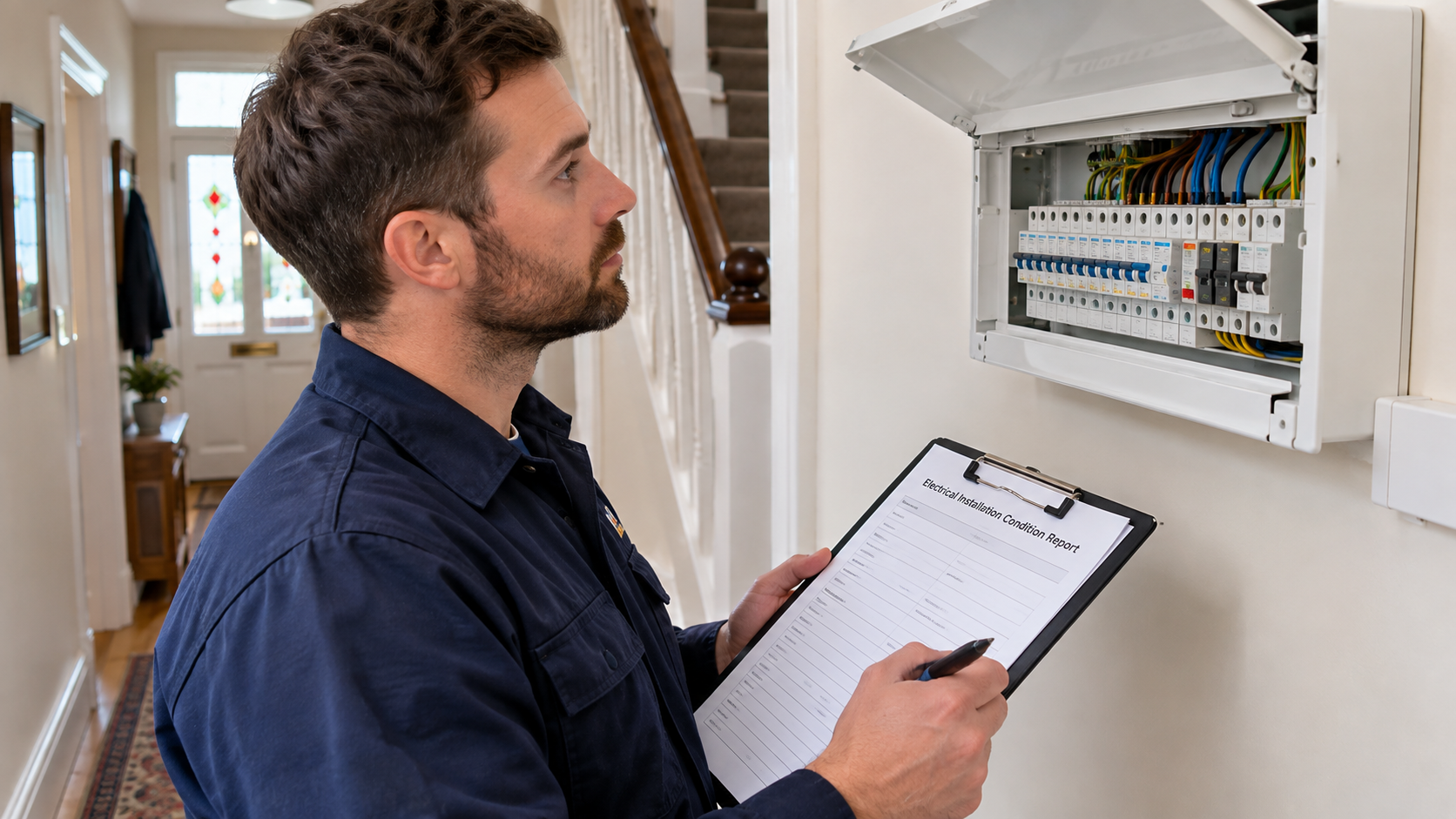
- Specialist tests. An electrical installation condition report, a gas safety check, a CCTV drain survey and a timber and damp inspection are all standard follow-ups and are usually arranged within days.
- Contractor quotes. Ask two or three builders to quote against the surveyor's description of the work. Sellers and lenders take a written quote seriously.
Keep everything in writing. The survey, the follow-up reports and the quotes form the evidence for the next step, and the guide to building defect reports explains what a good one should contain.
Your options: renegotiate, repairs, retention or walk away
Once the cost is known there are four realistic routes, and your conveyancer should be involved in all of them.
- Renegotiate the price. The most common outcome. Put the report and quotes to the estate agent with a revised offer that reflects the cost of the work, not every item on the list. Sellers rarely accept a pound-for-pound reduction, but a documented, specific request is hard to dismiss. Our guide to negotiating the house price after a survey covers the approach in detail.
- Ask the seller to do the work. Suitable for clear-cut items such as a gas safety repair or a roof leak, and usually handled by a condition in the contract. Be cautious: a seller's cheapest fix is not always the right one, and you will want to see invoices and guarantees before exchange.
- Accept a lender's retention. If the mortgage valuer has seen the same problems, the lender may hold back part of the advance until specified works are done, or ask for a specialist report before offering at all. A retention means you need the funds to complete the works yourself after moving in.
- Walk away. If the defects are beyond your budget or appetite, or the seller will not move, withdrawing before exchange costs you the survey fee and your legal costs so far, which is far less than owning a house with an unaffordable problem. In Scotland the position is different because the contract is formed when missives are concluded, so take advice on timing.
Whichever route you choose, remember that the survey is a buyer's document. The seller has no right to see it, and you decide how much of it to share in the negotiation.
How long does it take to sort out a bad survey?
As a general picture of the market, follow-up reports and specialist tests are usually arranged within a week or two of the survey, with contractor quotes following shortly after. A renegotiation is typically settled within days once the figures are on the table, because both sides want to keep the chain moving. The whole process from report to agreed price commonly adds two to four weeks to a purchase. That delay is worth it: the survey exists to be acted on before exchange, when the cost of a problem can still be shared with the seller rather than carried alone afterwards.
Survey Merchant can arrange the follow-up reports
Survey Merchant provides RICS chartered surveyors and structural engineers from a panel of 2,400+ across the UK. If your survey has found problems, the panel can arrange a specific defect report on the item that worries you, a structural engineer's assessment of cracking or movement, or a Level 3 building survey where the first report was a Level 2 and raised more questions than it answered. Fixed fees are quoted up front, and the panel's surveyors cover London, Manchester, Birmingham, Bristol, Leeds and 100+ locations nationwide. Tell Survey Merchant what the survey found, or contact the team on 0204 579 8270 to discuss the next step.