Building Surveying
Aug 2, 2026
Building defect report: a homeowner's guide
Discover the essential homeowner's guide to a building defect report. Uncover hidden issues, protect your investment, and ensure peace of mind!

Most people assume that if a building problem were serious, they would be able to see it. That belief is one of the most expensive misconceptions in property ownership. A proper building defect report, which is the formal term used by qualified surveyors and often referred to in industry as a specific defect report or structural defect assessment, does far more than confirm what is already visible. It uncovers hidden deterioration, categorises risks by severity, and creates a legally defensible record that protects you whether you are buying, selling, managing a warranty claim, or heading towards a dispute.
| Point | Details |
|---|---|
| Defect reports are formal documents | A qualified, independent surveyor produces a structured technical report, not a simple repair quote or snagging list. |
| Timing is critical | Commissioning a report at the right stage, particularly within 15 to 18 months of a new build’s completion, protects your warranty and legal rights. |
| Severity categories guide your response | Defects are graded from critical to minor, helping you prioritise spending and negotiate repairs with contractors or developers. |
| Reports must meet evidential standards | Courts expect precise measurements, photographic evidence, and a clear separation of observed facts from professional opinion. |
| Independent assessment protects your position | Arranging a report before any repair work begins creates a baseline that cannot be disputed after the fact. |
A building defect report is a formal technical document produced by a qualified, independent consultant. It systematically identifies defects, categorises them by type and severity, and sets out clear recommendations for rectification. Its scope typically covers the structure, building envelope, and any shared elements in multi-occupancy settings. This is fundamentally different from a builder’s repair quote, an estate agent’s condition summary, or a quick snagging list produced at handover.
A well-structured report will generally contain the following components:
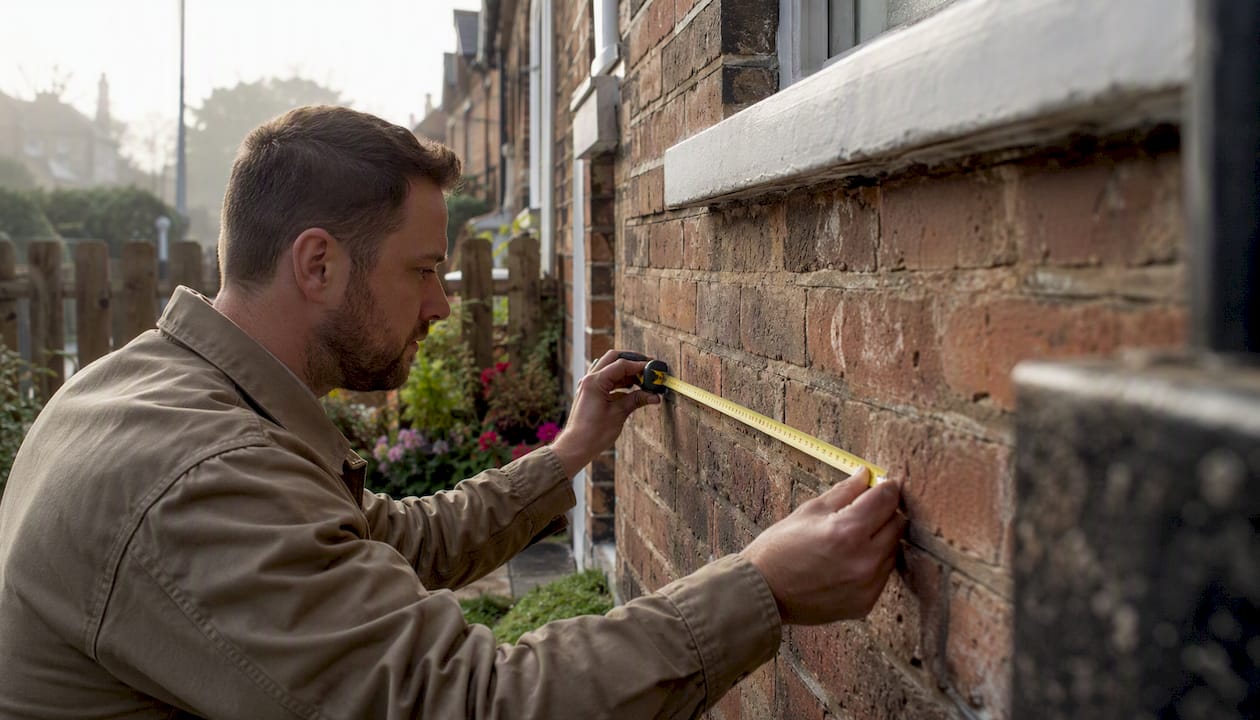
The photographic evidence and measurement data are not optional extras. Courts require precise defect location and measurement details such as crack widths or damp readings taken at the time of inspection. A report without that granularity may be rejected entirely in legal proceedings.
The table below shows how a defect report differs from documents you may already be familiar with:
| Document type | Produced by | Primary purpose | Legal weight |
|---|---|---|---|
| Repair quote | Contractor | Price the work | Low |
| Condition report | Estate agent or basic surveyor | Overview for sale | Low to medium |
| Snagging list | Buyer or builder | Handover punch list | Low |
| Building defect report | Qualified independent surveyor | Evidence-grade defect documentation | High |
Knowing this distinction matters before you commission anything, because the wrong document in the wrong situation can leave you without recourse.
The most common mistake property owners make is waiting until a defect is undeniable before calling anyone in. By that point, you may have already weakened your legal position, missed a warranty window, or allowed a minor issue to progress into a major structural failure.
There are four key moments in a property’s life cycle when a report makes clear strategic sense:
Missing these windows has real consequences. In strata and multi-occupancy settings especially, late commissioning reduces report independence and undermines the factual record that owners rely on when pursuing remediation through warranty or legal channels.
Pro Tip: If you notice a defect developing, photograph it with a timestamp before contacting anyone. Then commission an independent report before a contractor touches anything. Repair activity before an independent assessment can be interpreted as destruction of evidence.
Understanding what defects actually look like, and how they are ranked, helps you read a report intelligently rather than simply relying on whatever summary the surveyor provides. You can explore typical structural issues found during professional surveys to get a clearer picture before your own inspection.
The most frequently encountered categories of defects include:
The financial consequences of delayed detection can be severe. Termite damage, for example, can require timber replacement costing between £20,000 and £80,000 depending on the areas affected, and the damage is typically hidden from view during a standard open inspection.
Modern defect reports use a severity grading system to help you prioritise action:
| Severity grade | Definition | Typical response timeframe |
|---|---|---|
| Critical | Immediate risk to safety or structural integrity | Repair within days |
| Major | Significant deterioration likely without intervention | Repair within weeks |
| Moderate | Developing issue requiring monitoring and planning | Repair within months |
| Minor | Cosmetic or low-risk issue | Repair at next maintenance cycle |
A structured severity rating system including defect category, risk level, photographs, and required corrective action provides the framework that makes reports usable in practice, not just on paper.
Receiving a finished report is not the end of the process. It is the beginning of a decision-making sequence that affects your spending, your negotiations, and potentially your legal rights.
The single most important skill in reading a defect report is distinguishing between what the surveyor observed and what they interpreted. Courts expect reports to clearly separate observed facts from professional opinions, with location references, severity grades, causes, and recommended actions with timeframes. A statement such as “cracking observed at 3mm width to the eastern gable wall at 1.2m above DPC level” is a fact. “This cracking is likely caused by differential settlement” is an opinion. Both matter. But they carry different weight in negotiations and legal proceedings.
The defect schedule is the working document you hand to contractors for quotes. A good schedule makes it impossible for a contractor to cherry-pick the easy jobs. It also allows you to verify that every item has been addressed before making final payment.
When budgeting for repairs, group defects by the trade required. Structural repairs, waterproofing, electrical remediation, and decorative works are best tendered separately to avoid inflated package quotes.
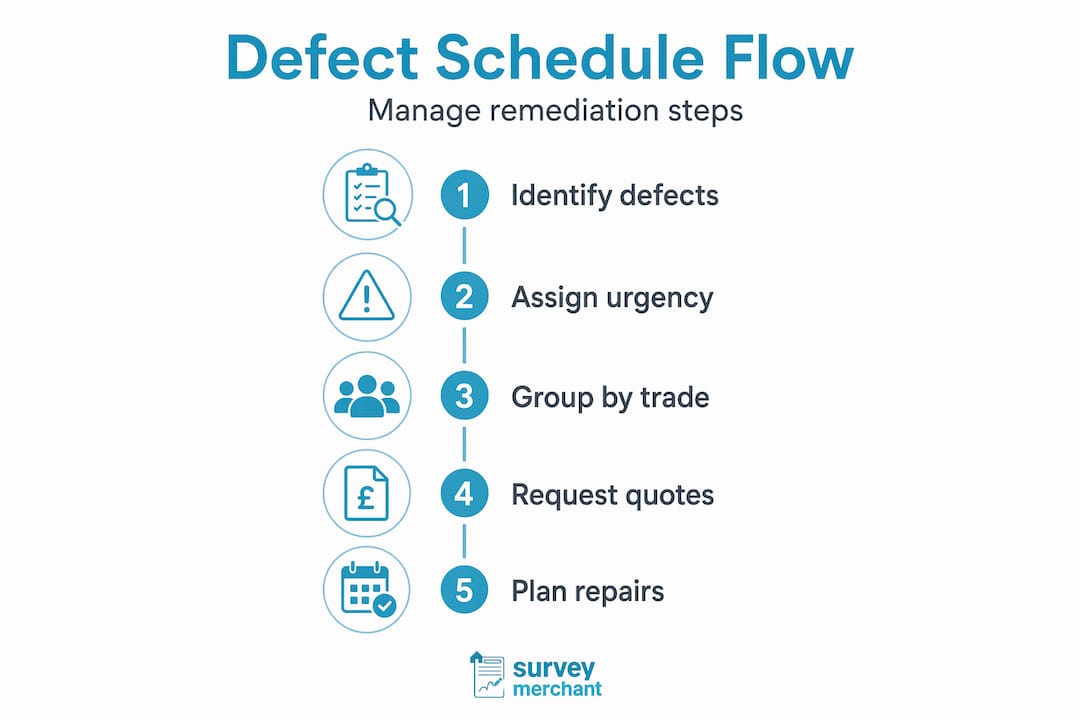
Pro Tip: Ask your surveyor to include a priority matrix in the report. This ranks each defect by urgency and cost impact, giving you a clear decision-making framework when budget is limited.
For disputes, warranty claims, or insurance purposes, your report becomes evidence. Vague defect descriptions weaken evidential value, and omitting areas or failing to preserve evidence creates serious legal problems. Preserve the original report, all associated photographs, and any correspondence in a single, dated folder. See what to expect in a survey report to understand how a professionally prepared document should be structured before you commission one.
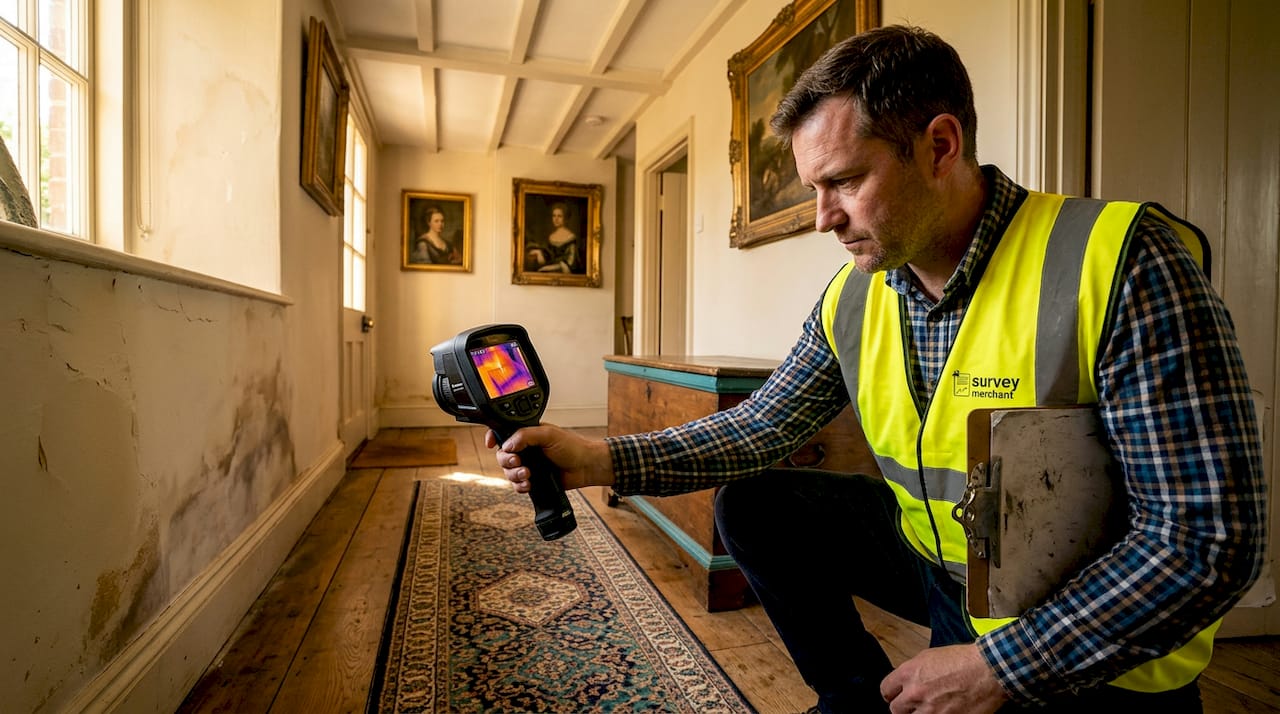
The quality of a building defect report depends heavily on the methods used during the inspection itself. An experienced surveyor relying solely on visual observation will miss things that technology can detect.
The most significant advances in current practice include:
The credentials of your surveyor matter as much as the tools they use. In the UK, look for membership of RICS (Royal Institution of Chartered Surveyors) or CIOB (Chartered Institute of Building). Systematic methodology including disciplined photography and thorough file notes distinguishes reports that withstand legal scrutiny from those that are vulnerable to challenge.
I have reviewed a great many building defect reports over the years, and the pattern I see repeatedly is this: homeowners wait too long, and it costs them dearly. Not because they were careless, but because they did not know what kind of document they actually needed or when they needed it.
The most damaging error I see is commissioning an informal inspection from a local builder, rather than an independent, qualified surveyor, and then using that builder’s report as the basis for a warranty or legal claim. It will not stand. Early, staged, and independent inspections are what actually capture latent defects in new builds, where modern construction methods can conceal significant risks behind cladding and insulation.
What I tell anyone buying or managing property is this: treat your first inspection as an investment in future protection, not as an expense to be avoided. The cost of a thorough defect report is almost always a fraction of the remediation costs you will face if a hidden problem goes undetected for another two or three years. Document everything, preserve everything, and commission early. You will not regret it.
— Surveymerchant

If you are buying a property, managing a newly built home, or dealing with a defect you cannot fully explain, having the right professional on your side makes all the difference. Surveymerchant connects you with qualified, independent surveyors across the UK who specialise in exactly this kind of work. Whether you need a specific defect report to address a particular concern or a full Level 3 building survey to assess a property comprehensively before purchase, Surveymerchant matches you with a surveyor whose credentials and methodology meet the standard your situation demands. Take a look at our building surveying services to find the right starting point for your property.
A building defect report is a formal technical document produced by a qualified, independent surveyor. It identifies, categorises, and recommends rectification for structural, waterproofing, safety, and cosmetic defects in a property.
A condition report provides a general overview of a property’s state, typically for sales purposes. A defect report goes further by precisely documenting each issue with measurements, photographs, severity grades, and specific repair recommendations, making it suitable as legal evidence.
The most protective timing for new builds is within 15 to 18 months of completion, before warranty periods expire. For existing properties, commission a report as soon as a defect becomes apparent, and always before any repair work begins.
Yes, provided it meets evidential standards. Courts expect precise defect locations, measurement data, photographic evidence, and a clear distinction between observed facts and professional opinion. Vague or informal reports are regularly rejected in proceedings.
Look for RICS-registered or CIOB-accredited surveyors with experience in residential defect assessment. Platforms such as Surveymerchant can match you with vetted professionals based on your property type and location across the UK.
Survey Merchant provides vetted RICS surveyors across 100+ UK locations at fixed fees:
→ Level 2 Home Survey (HomeBuyer Report)
→ Level 3 Building Survey (full structural survey)
→ RICS Red Book property valuations
→ Party wall surveyors — notices, awards & schedules of condition
→ Expert witness surveyors — CPR Part 35 reports for property disputes