Building Surveying
Sep 27, 2026
What Is A Level 3 Survey: Your Expert Guide
Discover what is a level 3 survey with our expert guide. We cover the RICS Building Survey process, costs, and when you need one for your UK property.

So, what exactly is a Level 3 Survey? Known formally as a RICS Building Survey, it’s the most comprehensive pre-purchase inspection you can get for a property in the UK. Think of it as a full-body health check for a house, designed to uncover every visible issue and dig for potential hidden problems before you sign on the dotted line. It's the go-to choice for properties that are older, have been significantly altered, or are looking a bit worse for wear.
When you're buying a home, you'll find there are a few different survey options, each offering a different level of detail. A Level 1 report is a very basic "traffic light" check, really only suited for brand-new, straightforward homes. A Level 2 report goes a bit deeper, making it a popular choice for conventional houses in decent shape.
The Level 3 Survey, however, is the full-on investigation.
Imagine you're thinking of buying a vintage car. A quick look might tell you it’s a beauty, but you’d want a specialist mechanic to pop the bonnet, check the chassis, and inspect every nook and cranny before you hand over your money. A Level 3 Survey does precisely that for a property, especially one that isn't a standard new-build. This makes it an absolute must for:
Don’t think of this survey as just another cost; it’s an investment in your peace of mind. Catching a single major problem—like hidden structural movement or serious damp—before you buy can save you tens of thousands of pounds in future repair bills. It also gives you powerful evidence for knocking down the asking price.
This infographic gives you a quick visual breakdown of how the three main RICS survey types stack up against each other, so you can see exactly where the Level 3 fits in.

As you can see, the Level 3 Survey is the most exhaustive option available. It's specifically designed for properties that come with a higher risk of defects, whether that's due to their age, construction, or just visible wear and tear. It gives you the in-depth analysis you need to make a fully informed decision on what is, for most of us, the biggest purchase of our lives.
To really understand what a Level 3 survey is for, you have to look at the unique character of UK property. Unlike countries with lots of new-builds, much of Britain's charm comes from its historic homes. But with age comes a much higher chance of hidden problems that a standard survey could easily miss.
The UK's housing stock is old. Really old. According to the English Housing Survey, around 23% of homes in England were built before 1919, with a staggering 38% built before 1946. A Level 3 survey is the most thorough non-intrusive inspection available, designed specifically for these kinds of properties and the deep scrutiny they demand. You can find the official RICS description for the Level 3 Home Survey for more detail.
This isn’t just about spotting houses that are about to fall down. A beautifully kept Victorian terrace or a charming pre-war semi can easily hide issues from an untrained eye. Decades of small tweaks, evolving building regulations, and the simple ageing of materials create a complex history that only a Level 3 surveyor is trained to unravel.
Think of an older house as a storybook where every chapter was written by a different person. One owner might have put in an extension, the next took out a chimney breast, and another one rewired the place. While each change made sense at the time, the combination can lead to problems you’d never expect.
A Level 3 surveyor’s job is to read this entire story. They look at how different parts of the building interact, identifying potential conflicts between old and new materials or spotting the subtle signs of a long-forgotten issue resurfacing.
Take that quaint, slightly sloping floor in a Georgian townhouse. It might just be a charming quirk. Then again, it could be an early warning of structural movement that needs expensive underpinning. A Level 3 survey gives you the detailed analysis needed to know the difference, providing clarity and confidence.
The forensic detail of a Level 3 survey is what makes it so good at uncovering issues common in older UK homes. A surveyor will be paying close attention to things like:
Choosing a Level 3 survey for an older property isn’t being pessimistic; it’s being pragmatic. It ensures you know exactly what you’re getting into and are fully aware of the commitment you're about to make, turning a potential gamble into a well-informed decision.
So, what actually happens during a Level 3 survey? Think of the surveyor as a property detective. They arrive on-site with a single mission: to methodically work through the property from top to bottom, uncovering not just the obvious flaws but also the subtle clues that could point to more significant, hidden problems.
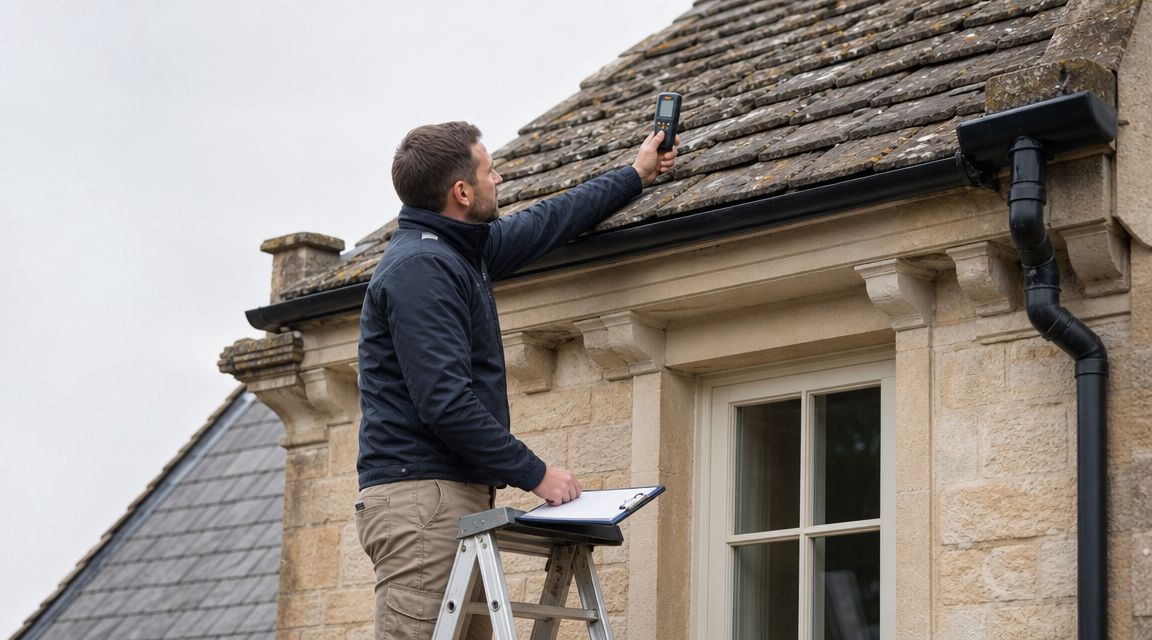
The process is thorough and systematic. It often starts with the exterior, focusing on the hardest-to-reach parts first. This includes:
This external check gives the surveyor a complete picture of the building's "envelope"—the primary shield protecting it from the elements.
Once the outside is done, the surveyor moves indoors, continuing their methodical investigation. A Level 3 survey is non-intrusive, which means they won’t be knocking down walls or drilling holes. However, they will access every visible and accessible area. This often means lifting loose floorboards or getting into attic spaces and cellars where it’s safe to do so.
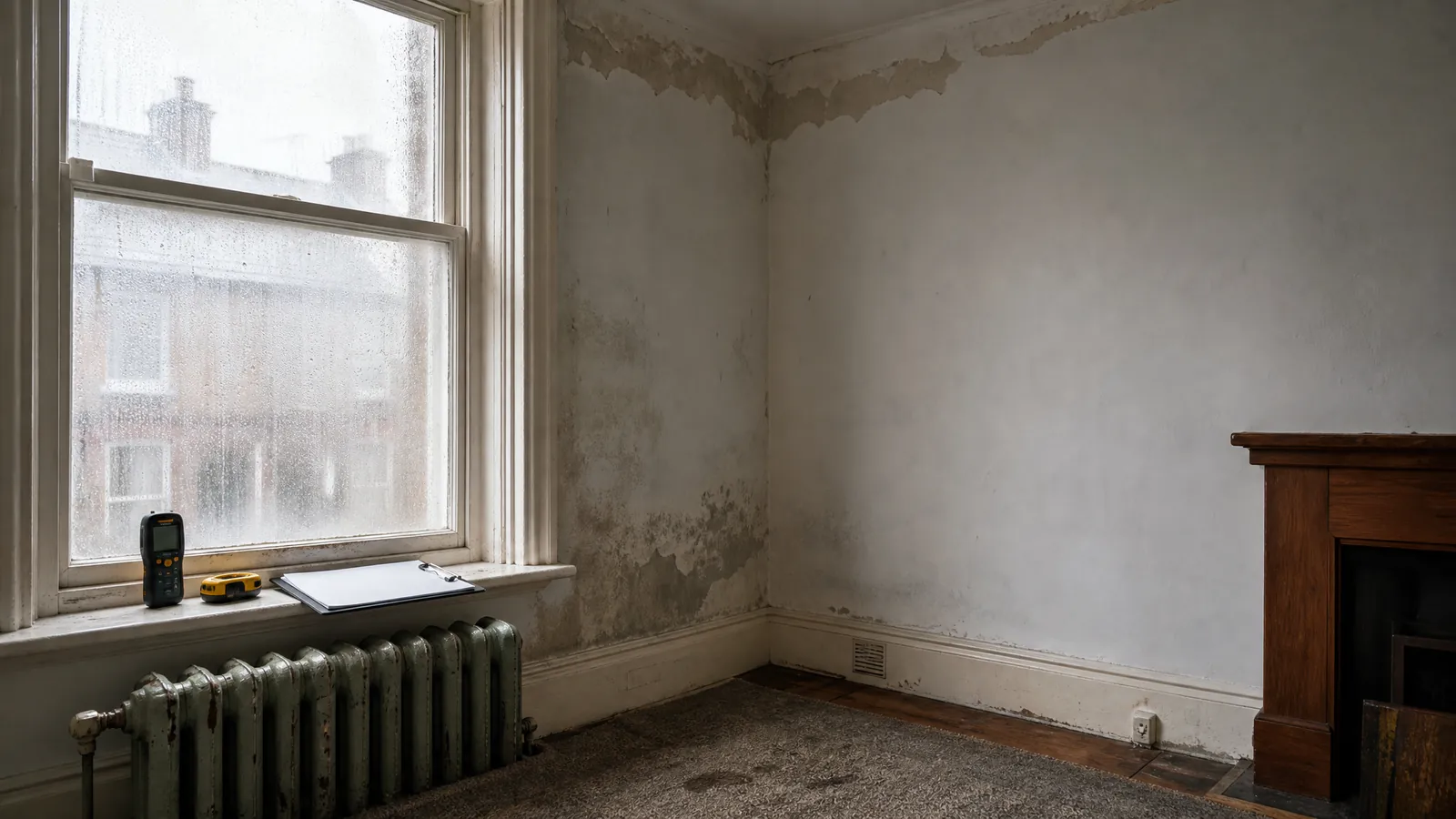
Armed with experience and tools like damp meters, they assess every part of the interior, looking for evidence of problems that a casual viewing would never reveal.
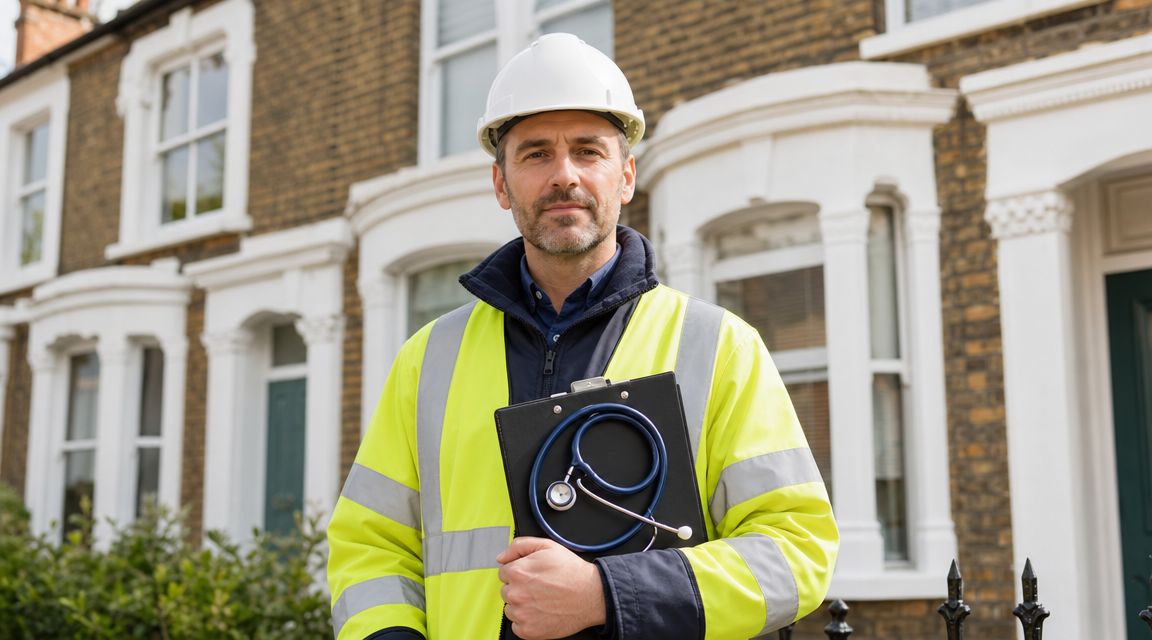
Think of the surveyor as a property doctor using a stethoscope. They can't see inside the walls, but by listening, tapping, and measuring, they can diagnose what’s happening beneath the surface. This is what separates a Level 3 inspection from a simple viewing.
This level of detail is especially important in the UK. According to the English Housing Survey, around 9.0 million homes in England were built before 1946. These older properties have often seen decades of undocumented alterations, creating complex defects that only a detailed assessment will find. You can dig into the UK's housing stock data on GOV.UK for more information.
During the inspection, a surveyor zooms in on high-risk areas known for causing the most expensive and disruptive problems. Their investigation is far more detailed than what you'd get in a Level 2 report. For a complete rundown of the process, you can explore what surveyors do when they carry out a Level 3 building survey.
Specific areas of focus include:
When your Level 3 survey report arrives, it can look a bit intimidating. These are often long, technical documents, but don’t worry—they’re designed to be broken down into clear, actionable advice about your potential new home.
The report is usually organised by different parts of the property, such as the roof, walls, floors, and services. Most importantly, RICS surveyors use a simple traffic light system to show how serious any defects are. This is your first clue to what needs your attention.
This rating system is the heart of the report. It gives you a quick visual summary of how urgent each issue is. While the exact wording might vary, it generally follows this simple structure:
When you see a Condition Rating 3, don’t panic. It’s simply your prompt to dig into the surveyor's detailed notes. They'll explain the problem, what’s likely causing it, and what you should do next. This gives you the information you need to act.
Beyond the ratings, the text in the report gives you the all-important context. A surveyor won't just write "damp was found"; they will describe the type of damp, its probable source, and recommend a specific course of action. This is where you translate technical terms into a practical to-do list.
For instance, the report might state, "Evidence of historic woodworm activity was noted in the sub-floor timbers, and a specialist timber and damp survey is recommended." This doesn’t necessarily mean you have a live infestation, but it advises getting an expert to be sure. To get a feel for the level of detail involved, it can be helpful to see how professionals understand your roof inspection report and other specific assessments.
The purpose of a Level 3 report isn’t to scare you off a purchase. It is designed to give you a complete and unbiased picture of the property’s health, empowering you to make a decision with your eyes wide open.
Ultimately, the report is a powerful negotiation and planning tool. It helps you budget accurately for future repairs and identifies areas where you might need to get quotes from builders or other specialists.
If you’re ever unsure about a particular finding, the best first step is to call the surveyor who wrote the report. They can talk you through their findings and offer more clarity, helping you fully understand your building survey and plan your next move with confidence.
So, your Level 3 survey report has landed in your inbox. This isn't just the end of the survey process; it's the beginning of your next, crucial step. Think of the report as your single most powerful tool for moving forward, armed with impartial facts and professional insight.
The detailed findings clear the way for three potential paths. You can renegotiate the price, ask the seller to fix the problems before you exchange contracts, or, if the issues are too severe, make the difficult but sensible choice to walk away from a property that could become a financial nightmare.
The most common and effective way to use your survey is for renegotiation. When a Level 3 survey uncovers serious defects, especially those with a Condition Rating 3, you have a rock-solid basis for discussing a price reduction. After all, your initial offer was likely based on the assumption the property was in good shape—the report now proves otherwise.
To make your case, you need more than just an opinion.
Your Level 3 survey report is an impartial, expert assessment of the property's condition. It’s not just your opinion against the seller's; it's a professional's documented findings, which estate agents and solicitors take very seriously during negotiations.
This is what gives you real negotiating power. It shifts the conversation from an emotional plea to a straightforward business discussion grounded in facts. You're no longer just asking for a discount; you're presenting a logical argument for why the property's value is lower than what you originally agreed to pay.
Once you have the report, it’s time to get organised. Simply forwarding the entire document to the estate agent with a vague request for "money off" won't cut it. A more strategic approach is needed.
This method shows you’re a serious buyer who has done their homework. For a deeper dive into tactics, our team has put together some helpful advice on property survey negotiation. By using the report as your guide, you can navigate this critical stage with confidence, potentially saving yourself thousands and steering clear of future headaches.
So, you understand the what and why of a Level 3 survey, but now the practical questions are probably bubbling up. It’s completely normal. Let’s tackle the common queries we hear from homebuyers every day, giving you clear, straightforward answers to help you move forward.

We'll get into the nitty-gritty of costs, timescales, and what to do if the survey flags something serious. Think of this as your essential briefing for this critical stage of your purchase.
There's no one-size-fits-all price tag for a Level 3 survey. The cost really depends on the property's size, age, complexity, and even its location. As a general guide, you can expect to pay anywhere from £800 to over £1,500 for this comprehensive inspection.
Yes, it’s more than a Level 2 report, but that extra expense buys you invaluable time and expertise. The physical inspection alone can take several hours—often half a day or more for a larger or more complicated building. Afterwards, the surveyor needs to compile their findings into an extensive report, which you’ll typically receive within 5-10 working days.
It’s a small price for peace of mind. With the average UK house price hovering around £268,000, a survey fee is a drop in the ocean compared to the risk of buying a property with major hidden defects. Uncovering issues like timber decay or structural movement early could save you from four or five-figure repair bills down the line.
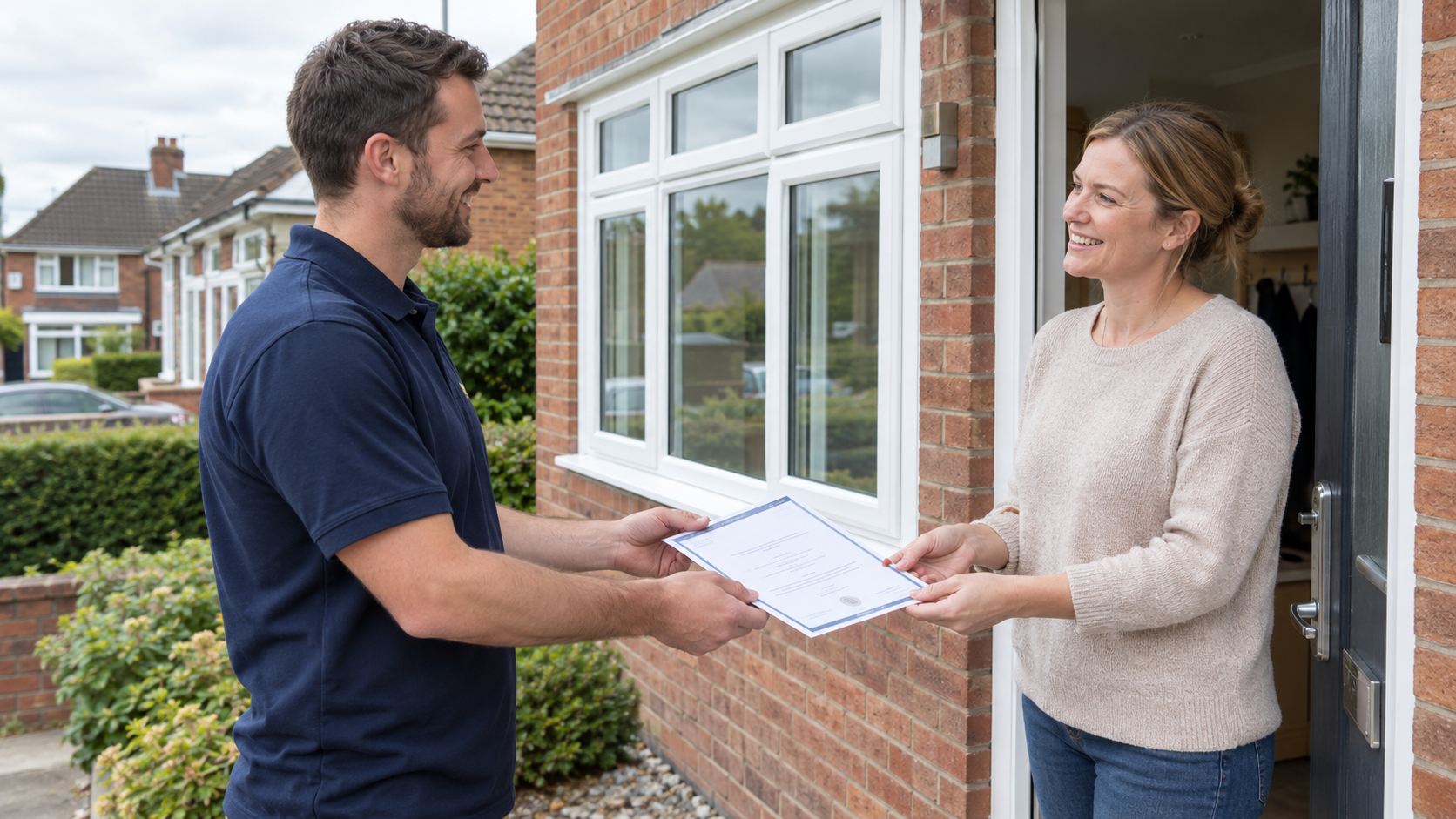
Absolutely, and we strongly recommend it. While you shouldn’t plan on shadowing the surveyor for the entire inspection, arranging to meet them near the end can be incredibly useful. It’s your chance for a quick "walk-through" of their initial thoughts.
A face-to-face chat with your surveyor transforms technical findings into tangible reality. It allows you to see a problem for yourself while the expert explains its implications, providing a level of understanding that a written report alone cannot match.
This direct conversation is your opportunity to:
Just be sure to arrange this in advance. Most surveyors are more than happy to schedule a brief chat at the end of their inspection to give you a verbal summary.
Seeing a serious issue flagged in your survey report can feel like a punch to the gut, but it’s far from a disaster. In fact, it’s the exact reason you got the survey in the first place—to find problems before you’re legally and financially tied to the property. This knowledge puts you back in the driver's seat.
For instance, if your Level 3 survey reveals something significant like Japanese Knotweed, understanding how it affects your mortgage options and negotiating power is crucial. Specialist advice, like this 2026 guide on knotweed mortgages, can be invaluable here.
When your report flags major defects, you have several clear options:
Finding a problem isn't a setback; it's a success. It means the survey has done its job, protecting you from buying the wrong property or paying more than it's worth.
At Survey Merchant, we connect you with qualified, local surveyors who provide the clear, detailed reports you need to make an informed decision. Get matched with the right expert for your property today by exploring our services at Survey Merchant.
Survey Merchant provides vetted RICS surveyors across 100+ UK locations at fixed fees:
→ Level 2 Home Survey (HomeBuyer Report)
→ Level 3 Building Survey (full structural survey)
→ RICS Red Book property valuations
→ Party wall surveyors — notices, awards & schedules of condition
→ Expert witness surveyors — CPR Part 35 reports for property disputes