Building Surveying
Jul 16, 2026
Find the Best Value Property UK: 8 Hotspots for 2026
Looking for the best value property UK? Explore our 2026 guide to 8 cities with high yields & growth potential. Learn how to spot true value with expert tips.

What does “best value property UK” mean once you strip out the estate agent wording and look at the deal like a surveyor?
Value starts with the price you can justify from comparable sold homes, then tests whether the building, title and future repair bill support that price. A cheap listing can still be an expensive mistake if the survey later finds damp, movement, roof failure, short lease terms or poorly altered accommodation. Good value is the point where price, condition and resale prospects line up.
Completed sale evidence matters more than asking-price noise. Buyers see guide prices first, but surveyors and valuers work from what similar properties have sold for, adjusted for condition, location and risk. That is the difference between spotting a genuine opportunity and overpaying for a property that only looks inexpensive on a portal.
This article takes that approach. It does not just list lower-priced cities. It looks at where buyers may still find value, and where proper due diligence turns a tempting headline price into a sound purchase decision. That is also where services such as surveys and independent valuations earn their fee, because they help identify whether a property offers scope for improvement or merely hides expensive defects.
For buyers who are still planning the wider process, our essential guidance for UK homebuyers sets out the sequence from offer to completion.
The locations below are a starting point, not a shortcut. The right town at the wrong price is still a bad buy. The right property in an overlooked street, backed by a clear survey and realistic valuation, is usually where true value sits.
If you want a broader investment context alongside this survey-first approach, see UK property investment for 2026.
Bradford keeps appearing in serious conversations about value because it still offers the sort of housing stock where good due diligence can create an edge. You'll find older terraces, conversions, and family houses where the purchase price alone doesn't tell the full story. That's exactly the type of market where a buyer with a surveyor often beats a buyer relying on estate agent particulars.
Older Bradford stock can look attractive on paper and still hide expensive repair items. Roof spread, damp penetration, altered chimney breasts, outdated electrics, and poor-quality past refurbishments are common reasons a “bargain” becomes a budget problem.
The best opportunities are often homes that need clear, manageable work rather than heroic renovation. In practice, that means properties with visible wear, dated kitchens and bathrooms, or minor layout inefficiencies, not homes with uncertain movement history or unresolved water ingress.
A sensible Bradford buying approach usually looks like this:
Practical rule: In Bradford, cosmetic value is easy to spot. Structural value isn't. Pay for the report that tells you which is which.
I've seen buyers do well here when they buy close to established demand, then negotiate from evidence instead of optimism. If the survey identifies defects with predictable remedies, you can price the works properly and move forward with confidence. If it uncovers movement, concealed damp causes, or poor alterations, you've saved yourself from an expensive mistake.
If you're buying your first value-led property and want the process mapped out clearly, this guide offers essential guidance for UK homebuyers.
Sunderland works for buyers who want lower entry pricing without giving up on practical demand. It has a mix of older housing, coastal locations, family streets, and newer schemes, which means the phrase best value property UK can mean very different things within a short distance.
Some buyers chase the cheapest stock and ignore the building fabric. That's a mistake in Sunderland. Pre-owned houses here can suffer from damp, timber decay, thermal inefficiency, and poor past maintenance, especially where cosmetic updates have been used to gloss over defects.
Here's the local contrast that matters.

Newer flats and recently built homes may suit buyers who want fewer immediate surprises. Older terraces and semis may offer stronger value if the survey confirms the structure is sound and the repair list is manageable.
The biggest risk in Sunderland isn't usually finding a property with flaws. It's underestimating the cost and timing of fixing them. A house can still be good value with damp or roof repairs, but only if the numbers are transparent before exchange.
Use a tight screening process:
A neat interior doesn't prove a healthy building. It only proves somebody decorated it.
Sunderland can reward buyers who stay disciplined. The value is often in buying a property with known issues you can budget for, not unknown issues you discover after completion.
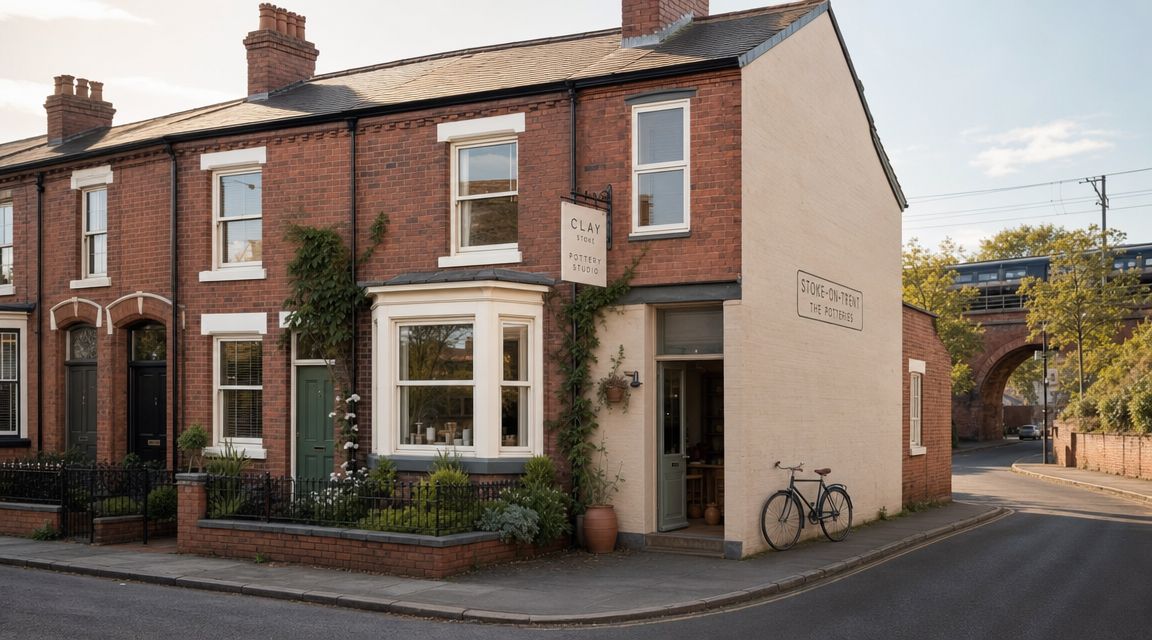
Stoke-on-Trent suits buyers who are willing to sort through variation. Street by street, the market can feel very different. One road offers sensible owner-occupier stock. The next has patchy maintenance, inconsistent demand, or awkward resale appeal.
That's why Stoke can be strong value for practical investors and homebuyers. There's room to buy selectively, but not much room for lazy due diligence.
In Stoke, many of the interesting properties are older terraces and houses with a long alteration history. That creates opportunities, but also uncertainty. Rear extensions may lack good integration with the original structure. Floors may slope. Chimney breasts may have been removed without obvious support details. Damp may be genuine, or it may be condensation misdiagnosed by a seller with a cheap remedial quote.
A proper valuation matters as much as a building survey. If the condition is weaker than the listing suggests, the price should reflect it. Buyers who need a formal market opinion should consider choosing a certified RICS valuer rather than assuming the lender's view protects them.
A few Stoke principles are worth keeping in mind:
Buy the property you can explain clearly to a surveyor, a valuer, a lender, and your future buyer. If the story keeps getting complicated, the deal usually does too.
Stoke-on-Trent is rarely a passive market. It rewards buyers who inspect properly, compare carefully, and know when to walk.
Coventry is often misclassified. Some buyers still think of it only as a cheaper alternative to stronger West Midlands markets. That misses the point. Coventry's appeal is that it can offer a better balance between price, connectivity, and occupier demand than places that look cheaper at first glance but come with weaker fundamentals.
The city also attracts a broad mix of buyers and tenants. That matters because value isn't just about what you pay now. It's also about who'll want the property after you, whether as a tenant or future buyer.

Coventry has plenty of stock that looks straightforward online but needs a sharper read on construction type and conversion quality. Flats in converted buildings, for example, can appear well priced while carrying hidden issues around sound transfer, maintenance responsibility, roof condition, or lease terms. That doesn't make them bad buys. It means they need better checking.
The stronger Coventry purchases tend to have three things in common:
A professional buyer also distinguishes between headline affordability and real affordability. One useful UK affordability lens found 33 postcodes under £100,000, with the lowest affordability ratio at 2.09 times local household income in DL4, compared with a UK national ratio of around 7 times. Coventry isn't in that ultra-cheap category, but that's exactly the lesson. The best value property UK buyers should chase isn't always the lowest price point. It's often the place where price, earnings, transport, and liveability balance out.
Coventry fits that profile well when the specific property stacks up under survey and valuation scrutiny.
Wakefield doesn't always get the same attention as larger Yorkshire markets, which is one reason value buyers keep circling back to it. It offers a practical middle ground. Prices can still feel accessible relative to more overheated locations, but you're not relying on a pure bargain narrative to justify the purchase.
That makes Wakefield particularly suitable for cautious investors and owner-occupiers who want room for upside without taking on avoidable building risk.
The trap in Wakefield is assuming every cheaper period house is a smart buy. Some are. Some need too much capital too early. The distinction usually shows up in the survey findings.
I'd focus on properties where the shortcomings are mainly costable and visible. Think dated interiors, inefficient layouts, old finishes, and maintenance that's been postponed rather than ignored for years. If the report starts pointing to extensive damp pathways, significant roof issues, or signs of movement that need further investigation, the value argument weakens quickly.
A good Wakefield shortlist usually includes:
Wakefield also suits buyers who think in terms of hold quality, not just entry price. If the home works well for ordinary local demand and the survey doesn't expose nasty surprises, that's often better value than a “cheaper” property that needs years of corrective spending.
Oldham is a classic example of a market where regional reputation can distort judgement. Buyers either dismiss it too quickly or assume any discount to nearby Greater Manchester locations must equal value. Neither approach is good enough.
Oldham can work very well, especially for buyers who understand commuter demand and established housing types. But it's also a place where property condition, street quality, and local management standards can vary sharply.
In Oldham, the purchase often turns on whether the house is structurally ordinary or structurally awkward. Ordinary is good. It means standard construction, predictable defects, and a cleaner route through survey, valuation, and mortgage underwriting. Awkward usually means patchwork extensions, compromised ventilation, overloaded layouts, or years of cheap refurbishment.
That's why I'd avoid getting distracted by a low guide price. The true test is whether the house can stand up to a proper building survey and still make sense after the likely repair bill.
Watch for these pressure points:
Oldham can still produce some of the better value opportunities around Greater Manchester because buyers can access established housing at a lower entry point than more competitive neighbouring areas. The trick is to make sure you're buying a decent building in a workable location, not a cheap problem with a Manchester postcode halo.
Wolverhampton appeals to buyers who want practical access to the wider West Midlands economy without paying Birmingham pricing. That can make it an attractive best value property UK option, but only if the asset itself is durable.
The market has enough diversity to create genuine opportunity. It also has enough mixed stock to punish casual buying.
This is one of those places where survey findings often have direct negotiation value. Many houses look serviceable at first viewing because they're occupied and functioning. Once inspected properly, the issues can become clearer: ageing roofs, wall tie concerns, timber defects, defective drainage, or wear hidden behind fresh paint.
When those issues are documented, buyers can make one of three sensible decisions. Renegotiate, budget accurately, or walk away. All three are better outcomes than discovering the truth after completion.
Field note: The best leverage doesn't come from “finding faults”. It comes from proving what those faults mean for cost, timing, and future resale.
Wolverhampton also benefits from being broad enough to offer different strategies. Some buyers want family homes with commuter appeal. Others want older terraces they can improve and hold. In both cases, the principle is the same. Buy where local demand is normal and repeatable, and use the survey to test whether the discount is real or illusory.
If a seller resists proper investigation or dismisses clear defect evidence, that's useful information in itself.
Peterborough is different from some of the northern and Midlands locations on this list. It's less about chasing visibly cheap stock and more about finding a reasonable entry point in a city with practical long-term demand drivers. For many buyers, that's a better fit.
You're often dealing with homes that look more conventional from a lending and resale perspective. That lowers some risk, but it doesn't remove the need for due diligence.
Peterborough suits people who think beyond the next year or two. Commuter appeal, established employment, and a mix of modern and older stock can make it a sensible hold location rather than a pure turnaround play.
This is also where a broad market benchmark helps frame expectations. As of March 2026, the average UK house price was £268,132, with the HM Land Registry UK House Price Index at 102.8, and prices 0.4% lower than the previous month. That doesn't tell you what one Peterborough street is worth, but it does reinforce the point that value decisions should sit against transaction-based evidence, not seller aspiration.
Peterborough buyers usually do best when they:
A modern house in Peterborough can still be poor value if the pricing is stretched, the layout is compromised, or the estate carries awkward management costs. Equally, an unfashionable but well-located home with a clean survey can be the smarter buy.
| Location | Implementation Complexity 🔄 | Resource Requirements ⚡ | Expected Outcomes 📊⭐ | Ideal Use Cases 💡 | Key Advantages ⭐ |
|---|---|---|---|---|---|
| Bradford, West Yorkshire | Medium–High, large stock of period properties; frequent Level 3 surveys and renovation planning | Low purchase price (40–50% below avg) but moderate renovation budgets and professional surveys required | High, rental yields 5–7% with regeneration-driven capital growth (medium-term) | Value-add refurb investors, student lets, terrace conversions | Low entry cost, strong yields, significant regeneration projects |
| Sunderland, Tyne and Wear | Medium, mix of modern and historic stock; damp and structural checks common | Low–Moderate capital; require damp reports, RICS valuations and targeted building surveys | High, yields 5–6%; Riverside regeneration supports appreciation potential | Buy-to-let portfolios, student accommodation, riverside apartments | Very low entry costs, stable university demand, riverside micro-markets |
| Stoke-on-Trent, Staffordshire | High, high proportion of older terraces necessitating Level 3 surveys and detailed defect reports | Very low purchase prices (40–50% below avg) but higher renovation/remediation budget needs | Very High, yields 5–7%; strong uplift possible after renovation | New investors seeking maximum value, renovators, student HMOs | Exceptional value entry, high yields, limited institutional competition |
| Coventry, West Midlands | Medium, mixed stock with some brownfield and conversion survey needs; faster decision cadence advised | Moderate capital; increasing competition and need for structural/brownfield assessments | Very High, yields ~5–6%; rapid annual appreciation driven by major regeneration | Investors prioritising capital growth, conversions, university-area lets | Fastest growth trajectory, strong employment base, excellent transport links |
| Wakefield, West Yorkshire | Medium, Victorian stock but fewer competitors; Level 2/3 surveys recommended around regeneration zones | Moderate capital; targeted renovation budgets and professional surveys advised | High, yields 5–6%; steady appreciation as major regeneration completes | Long-term hold, value-add near Westgate/cathedral quarter, professional lets | Large regeneration programme, stable employment base, lower investor competition |
| Oldham, Greater Manchester | Medium–High, many Victorian/Edwardian terraces require comprehensive surveys (damp/structural) | Low purchase prices (30–40% below avg) with renovation capital for refurb projects | High, yields 5–6%; appreciation linked to Manchester connectivity and transport upgrades | Commuter lets, HMO conversions, renovators targeting Manchester spillover | Proximity to Manchester without premium pricing, improving transport |
| Wolverhampton, West Midlands | Medium, older stock and micro-location variance; comprehensive pre-purchase surveys advised | Moderate capital; renovation budgets for value-add and surveys for damp/structural issues | High, yields 5–6%; appreciation tied to civic-centre regeneration | Value-add investors, student portfolios, mixed-use redevelopment | Strong regeneration momentum, central Black Country connectivity |
| Peterborough, Cambridgeshire | Low–Medium, mix of new-build and older stock; measured surveys for conversions recommended | Moderate capital; longer hold horizon and targeted surveys for older properties | Moderate–High, yields 4.5–5.5%; steady long-term growth from planned investment | Commuter buy-to-let, long-term hold investors, strategic conversions | Strategic location to London, major growth plans and government investment |
How do you tell the difference between a cheap property and a good-value one? You test the building, the price, and the likely spend before you exchange contracts. That is the point where a promising postcode turns into a sound purchase, or an expensive mistake.
Area-level research helps narrow the search. It does not protect you from an overpriced terrace with hidden damp, a flat with layout issues, or a house where the repair bill wipes out your margin. In lower-priced markets, that gap matters even more because older stock, past alterations, and deferred maintenance are often part of the reason the entry price looks attractive.
Choose the survey based on the building in front of you, not on the price alone.
A RICS Home Survey Level 2 usually suits newer, standard construction homes that appear well maintained. A RICS Home Survey Level 3 is normally the better choice for older terraces, heavily altered houses, conversions, non-standard construction, or any property showing cracking, damp staining, roof spread, movement, or poor-quality repairs.
I see buyers make the same mistake repeatedly. They spend weeks hunting for value, then try to save a few hundred pounds on the inspection. On an older house in Bradford, Stoke, Oldham, or Wolverhampton, that is often false economy.
A survey is the first filter, not always the final answer.
If the surveyor identifies a specific risk, order the report that addresses that risk properly. That may mean a damp investigation, a timber report, a roof inspection, drainage work, an electrical test, or a measured survey if you are planning reconfiguration or a conversion. Each report should answer a practical question: what is wrong, how serious is it, what is the likely remedy, and what might it cost?
That step turns a vague concern into something you can price.
Condition and market value are related, but they are not the same thing. A house can be structurally serviceable and still be poor value if the agreed price ignores repair needs, weak comparables, an awkward layout, or local resale limits.
An independent RICS valuation gives you a clearer view of whether the deal stands up against recent sold evidence and the property's actual condition. That is different from a lender's valuation, which is mainly for the lender's security assessment. If you are buying for yield, refurbishment, or future resale, you need your own figure and your own reasoning.
Use the reports to make decisions, not to fill a file.
Renegotiate if the evidence supports a lower price. Revise the refurbishment budget if the work is broader than expected. Delay exchange if key defects still need clarification. Walk away if the numbers no longer work after repairs, finance costs, void risk, and contingency are included.
This is often where real value is found. Not by buying the cheapest listing, but by buying a property where the defects are understood, the price reflects them, and the upside is still there after the work is done.
Recent examples from HomeOwners Alliance underline the point. Their list of the cheapest places to buy a house in the UK shows that low entry prices exist in very different markets, with very different prospects. Cheap stock can rise quickly in one area and stay stubbornly flat in another. Price alone does not answer the investment question.
If you need professional input, Survey Merchant can arrange surveys, valuations, defect reports, damp reports, party wall services, and other property advice through qualified surveyors across the UK. The practical aim is simple: confirm condition, test value, and make sure the apparent bargain still works once the true costs are on the table. For a wider perspective on analysing local markets, it's also worth browsing RealEstateCRM's market insights.
If you've found a property with potential, get the condition and value checked before you commit. Survey Merchant connects buyers and owners with qualified UK surveyors for Level 2 and Level 3 surveys, valuations, defect reports, damp investigations, party wall matters, and more, so you can negotiate from evidence rather than guesswork.
Survey Merchant provides vetted RICS surveyors across 100+ UK locations at fixed fees:
→ Level 2 Home Survey (HomeBuyer Report)
→ Level 3 Building Survey (full structural survey)
→ RICS Red Book property valuations
→ Party wall surveyors — notices, awards & schedules of condition
→ Expert witness surveyors — CPR Part 35 reports for property disputes

