KEY TAKEAWAYS
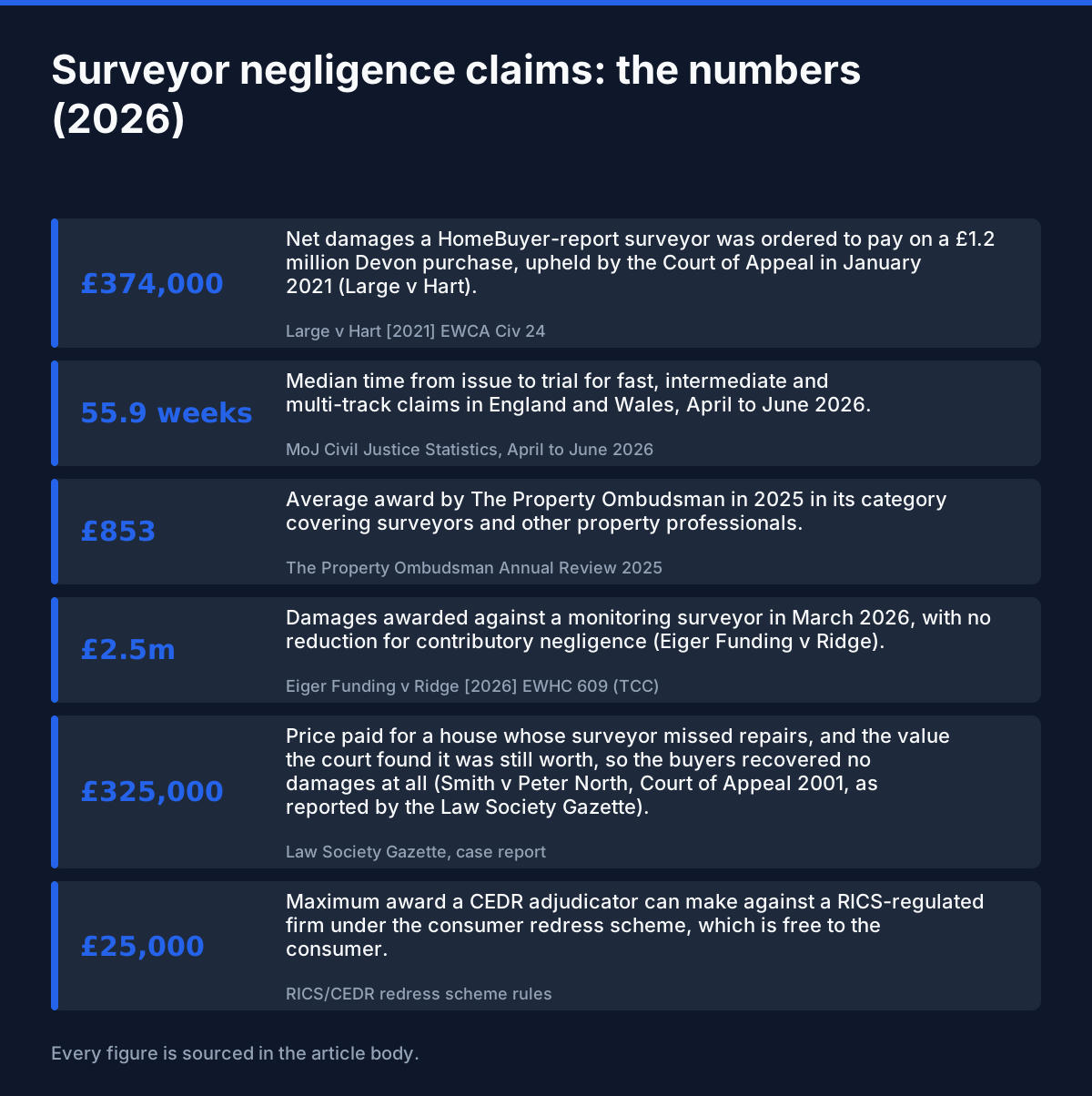
- → £374,000 Net damages a HomeBuyer-report surveyor was ordered to pay on a £1.2 million Devon purchase, upheld by the Court of Appeal in January 2021 (Large v Hart). (Large v Hart [2021] EWCA Civ 24, 2021)
- → 55.9 weeks Median time from issue to trial for fast, intermediate and multi-track claims in England and Wales, April to June 2026. (MoJ Civil Justice Statistics, April to June 2026, 2026)
- → £853 Average award by The Property Ombudsman in 2025 in its category covering surveyors and other property professionals. (The Property Ombudsman Annual Review 2025, 2025)
- → £2.5m Damages awarded against a monitoring surveyor in March 2026, with no reduction for contributory negligence (Eiger Funding v Ridge). (Eiger Funding v Ridge [2026] EWHC 609 (TCC), 2026)
- → £325,000 Price paid for a house whose surveyor missed repairs, and the value the court found it was still worth, so the buyers recovered no damages at all (Smith v Peter North, Court of Appeal 2001, as reported by the Law Society Gazette). (Law Society Gazette, case report, 2001)
- → £25,000 Maximum award a CEDR adjudicator can make against a RICS-regulated firm under the consumer redress scheme, which is free to the consumer. (RICS/CEDR redress scheme rules, 2023)
Nobody publishes a success rate for claims against surveyors in England and Wales. The courts do not count judgments by cause of action, insurers keep their claims books private, and the solicitor pages that rank for the question offer a consultation rather than a number. What exists is scattered: reported judgments, the redress scheme rules that cap what an ombudsman can pay, the Ministry of Justice's court timescales and the fee tables. This guide gathers them so that a buyer, a solicitor or a litigant in person can answer the real question before spending money: is the claim realistic, and what would winning be worth?
Two legal hurdles decide most cases before anyone reaches quantum. In valuation claims a figure 14.15% away from the judge's own valuation can still sit inside the permissible bracket, as the Court of Appeal held on 2 May 2025(Bratt v Jones [2025] EWCA Civ 562, 2025). In survey claims the loss is the fall in the property's value, not the repair bill, which is why one set of buyers recovered nothing on a £325,000 house even though the surveyor had missed the repairs. Where a claim clears both hurdles, reported awards run from £24,445 to £2.5m. The procedure is covered in the site's guide to surveyor negligence claims; this page is about the numbers.
1 What Have Courts Actually Awarded Against Surveyors? From Nothing to £2.5m
Reported awards against surveyors and valuers in England and Wales range from nothing to £2.5m, with the largest residential award upheld on appeal at £374,000 net (Large v Hart [2021] EWCA Civ 24, 2021). The sample is small and skewed towards lender and commercial claims; residential disputes mostly settle or end in unreported county court hearings.
| CASE AND YEAR | FIGURE | SOURCE |
|---|---|---|
| Eiger Funding v Ridge (2026): damages against a monitoring surveyor | £2.5m | Eiger Funding v Ridge [2026] EWHC 609 (TCC) |
| Large v Hart (2021): net damages on a HomeBuyer report | £374,000 | Large v Hart [2021] EWCA Civ 24 |
| Large v Hart (2021): diminution in value found before credit for other defendants | £750,000 | Large v Hart [2021] EWCA Civ 24 |
| Large v Hart (2021): general damages for distress and inconvenience | £15,000 | Large v Hart [2021] EWCA Civ 24 |
| Scullion v Colleys (2011): first-instance award, reversed on appeal for want of a duty | £72,234.54 | Scullion v Bank of Scotland [2011] EWCA Civ 693 |
| Ryb v Conway (2019, county court, knotweed): damages, as reported by Judge & Priestley LLP | £50,000 | Judge & Priestley LLP, case report |
| Webb Resolutions v E.Surv (2012), Bradley loan: damages before a 25% reduction | £45,000 | Webb Resolutions v E.Surv [2012] EWHC 3653 (TCC) |
| Webb Resolutions v E.Surv (2012), Ali loan: damages, no reduction | £24,445 | Webb Resolutions v E.Surv [2012] EWHC 3653 (TCC) |
| Smith v Peter North (2001): price paid and value found, so no damages (Law Society Gazette) | £325,000 | Law Society Gazette, case report |
| Bratt v Jones (2025): claim dismissed, valuer's figure | £4,075,000 | Bratt v Jones [2025] EWCA Civ 562 |
| Skykomish v Gerald Eve (2025): claim failed, valuation given | £16,580,000 | Skykomish v Gerald Eve [2025] EWHC 1031 (Ch) |
The headline figures need their facts. The £2.5m in Eiger Funding v Ridge was a lender's claim against a monitoring surveyor on a Liverpool development, decided on 16 March 2026(Eiger Funding v Ridge [2026] EWHC 609 (TCC), 2026); it shows the courts will award the full gap between a negligent figure and the true one. Large v Hart is the residential benchmark: the surveyor charged £600 for a HomeBuyer report on a £1,200,000 house in Devon, the judge found a diminution in value of £750,000, and after credit for the other defendants' payments the surveyor paid £374,000 plus £15,000 for distress (Large v Hart [2021] EWCA Civ 24, 2021). The Court of Appeal tied that measure to specific failures of advice, which is why practitioners treat it as an exception.
At the other end, Smith v Peter North shows the quiet way most survey claims die: the surveyor failed to report repairs, but the house was still worth the £325,000 the buyers paid, so there was no loss (Law Society Gazette, case report, 2001). Scullion v Colleys shows the duty hurdle: a first-instance award of £72,234.54 was reversed because a lender's valuer owed no duty to a buy-to-let purchaser, who was expected to take his own advice on the £2,000 per month rental figure (Scullion v Bank of Scotland [2011] EWCA Civ 693, 2011). For a buyer weighing a claim over a missed defect, the closer comparison is the £50,000 recovered in Ryb v Conway on a £1.2 million purchase where Japanese knotweed was missed, an unreported county court outcome (Judge & Priestley LLP, case report, 2019). Each turned on an independent surveyor negligence expert witness report saying what a competent surveyor would have seen; the same discipline governs building defects claims.
2 How Far Wrong Can a Valuation Be Before It Is Negligent? The 5%, 10% and 15% Bracket
Courts allow a valuer a margin of 5% either way on a standard residential property, 10% on a one-off property and 15% or more where the property has exceptional features (Webb Resolutions v E.Surv [2012] EWHC 3653 (TCC), 2012). A valuation inside the bracket is not negligent however it was reached; one outside it is necessary but not sufficient for liability.
| METRIC | VALUE | SOURCE |
|---|---|---|
| Margin of error, standard residential property | 5% | Webb Resolutions v E.Surv [2012] EWHC 3653 (TCC) |
| Margin of error, one-off property | 10% | Webb Resolutions v E.Surv [2012] EWHC 3653 (TCC) |
| Margin of error, property with exceptional features | 15% | Webb Resolutions v E.Surv [2012] EWHC 3653 (TCC) |
| Bratt v Jones (2025): distance between the valuer's figure and the judge's, held within the bracket | 14.15% | Bratt v Jones [2025] EWCA Civ 562 |
| Bratt v Jones (2025): bracket the judge applied | 10% and 15% | Bratt v Jones [2025] EWCA Civ 562 |
| Skykomish v Gerald Eve (2025): margin applied, as reported by Expert Evidence Ltd | 12.5% | Expert Evidence Ltd, case note |
| Webb v E.Surv (2012), Ali: valuation given against a correct value of £204,658 | £227,995 | Webb Resolutions v E.Surv [2012] EWHC 3653 (TCC) |
| Webb v E.Surv (2012), Bradley: valuation given against a correct value of £260,000 | £295,000 | Webb Resolutions v E.Surv [2012] EWHC 3653 (TCC) |
| Lender claims Webb Resolutions held against other valuers at the time | in excess of 200 | Webb Resolutions v E.Surv [2012] EWHC 3653 (TCC) |
The bracket is the single biggest reason valuation claims fail. The three tiers were restated in the E.Surv test cases, summarising the earlier K/S Lincoln decision (Webb Resolutions v E.Surv [2012] EWHC 3653 (TCC), 2012); there a valuation of £227,995 against a correct £204,658 and one of £295,000 against £260,000 were both negligent because they sat outside the margin for an ordinary flat and house. Bratt v Jones went the other way on a one-off site: the valuer said £4,075,000, the judge's figure was £4,746,860, and because the margin for that property was 10% and 15% the 14.15% gap was inside it and the claim was dismissed at trial and again on 2 May 2025(Bratt v Jones [2025] EWCA Civ 562, 2025). The Court of Appeal added that a figure outside the bracket only indicates something may have gone wrong; the claimant must still prove a failure of skill and care.
Two consequences follow. The margin must be fixed by expert evidence about the kind of property, which is why the down valuation complaints that fill the forums rarely become claims: a lender's figure a few per cent below the agreed price is inside the bracket by definition. And the bracket cuts both ways in time: the valuation in Bratt v Jones was dated 14 June 2013, and the final word came almost twelve years later. Skykomish v Gerald Eve, decided the same month, found breaches but no recoverable loss, with the margin reported at 12.5%(Expert Evidence Ltd, case note, 2025).
3 Why Do Buyers Recover Less Than the Repair Bill? The Diminution-in-Value Measure
Damages for a negligent survey are the difference between the price paid and the property's true value with the defects, assessed at the purchase date, not the cost of putting them right (Large v Hart [2021] EWCA Civ 24, 2021). Distress and inconvenience attract a modest separate award, £15,000 in Large v Hart. Buyers who paid what the house was actually worth recover nothing.
| METRIC | VALUE | SOURCE |
|---|---|---|
| Large v Hart: price paid for the Devon property | £1,200,000 | Hart v Large [2020] EWHC 985 (TCC) |
| Large v Hart: surveyor's fee for the HomeBuyer report | £600 | Hart v Large [2020] EWHC 985 (TCC) |
| Large v Hart: diminution in value found by the judge | £750,000 | Large v Hart [2021] EWCA Civ 24 |
| Large v Hart: general damages for distress and inconvenience | £15,000 | Large v Hart [2021] EWCA Civ 24 |
| Large v Hart: net damages after credit for other defendants | £374,000 | Large v Hart [2021] EWCA Civ 24 |
| Smith v Peter North: price paid and value found with the defects | £325,000 | Law Society Gazette, case report |
| Ryb v Conway: purchase price (reported) | £1.2 million | Judge & Priestley LLP, case report |
| Ryb v Conway: damages for missed knotweed (reported) | £50,000 | Judge & Priestley LLP, case report |
| Scullion v Colleys: capital valuation in the report | £353,000 | Scullion v Bank of Scotland [2011] EWCA Civ 693 |
The rule comes from a trio of Court of Appeal decisions Large v Hart quotes: the proper measure is diminution in value, not the higher cost of repair (Large v Hart [2021] EWCA Civ 24, 2021). The number that matters is therefore not the builder's quote but the gap between the price paid and what an informed buyer would have paid knowing the defects. On a £1,200,000 house that gap was £750,000 because the defects went to the building's fabric. On the £325,000 house in Smith v Peter North the gap was nil, so the claim was worth nothing despite a clear failure in the report (Law Society Gazette, case report, 2001). Whether a missed roof or a damp cellar is worth pursuing is therefore a valuation question, answered by a surveyor valuing the property as it was, with the defects, on the purchase date.
That is why the expert's report is the hinge of the claim. A CPR Part 35 expert witness report in a survey claim has two separate jobs: say whether a reasonably competent surveyor, working to the level of survey commissioned, would have identified the defect, then put a figure on the diminution. The second is the one claimants most often skip. Choosing an expert who can do both is covered in the guide on how to instruct an expert witness surveyor; the signs that a defect was flagged but under-described are set out in the piece on property survey red flags.
4 How Long Does a Claim Against a Surveyor Take? 55.9 Weeks to Trial, Years to Judgment
The pre-action protocol gives the surveyor 21 days to acknowledge a Letter of Claim and three months to respond (Pre-Action Protocol for Professional Negligence, 2021). If proceedings follow, the median time from issue to trial in the latest quarter was 41.0 weeks for small claims and 55.9 weeks for fast, intermediate and multi-track claims (MoJ Civil Justice Statistics, April to June 2026, 2026). Reported High Court cases took between seven and twelve years from the negligent work to final judgment.
| METRIC | VALUE | SOURCE |
|---|---|---|
| Pre-action protocol: acknowledgment of the Letter of Claim | 21 days | Pre-Action Protocol for Professional Negligence |
| Pre-action protocol: Letter of Response, from acknowledgment | three months | Pre-Action Protocol for Professional Negligence |
| Median issue to trial, small claims, April to June 2026 | 41.0 weeks | MoJ Civil Justice Statistics, April to June 2026 |
| Median issue to trial, fast, intermediate and multi-track, April to June 2026 | 55.9 weeks | MoJ Civil Justice Statistics, April to June 2026 |
| Improvement in fast, intermediate and multi-track time to trial on a year earlier | 6.1 weeks | MoJ Civil Justice Statistics, April to June 2026 |
| County court claims issued, April to June 2026 | 571,000 | MoJ Civil Justice Statistics, April to June 2026 |
| Trials held, April to June 2026 | 12,000 | MoJ Civil Justice Statistics, April to June 2026 |
| Claims defended as a share of claims issued | 14% | MoJ Civil Justice Statistics, April to June 2026 |
| Bratt v Jones: valuation date | 14 June 2013 | Bratt v Jones [2025] EWCA Civ 562 |
| Bratt v Jones: Court of Appeal judgment | 2 May 2025 | Bratt v Jones [2025] EWCA Civ 562 |
| Hart v Large: purchase completed | 23rd November 2011 | Hart v Large (costs) [2020] EWHC 1302 (TCC) |
| Hart v Large: trial judgment | 22 May 2020 | Hart v Large [2020] EWHC 985 (TCC) |
| Eiger v Ridge: loan advanced on the surveyor's report | November 2018 | Eiger Funding v Ridge [2026] EWHC 609 (TCC) |
| Eiger v Ridge: judgment | 16 March 2026 | Eiger Funding v Ridge [2026] EWHC 609 (TCC) |
The court statistics describe the middle of the process. Before issue the protocol alone can absorb four months, and claimants are told to agree reasonable extensions beyond the three months response period (Pre-Action Protocol for Professional Negligence, 2021). After issue, the Ministry of Justice's figures for April to June 2026 put the median wait at 41.0 weeks on the small claims track and 55.9 weeks on the fast, intermediate and multi-track, the latter 6.1 weeks faster than a year earlier (MoJ Civil Justice Statistics, April to June 2026, 2026). Those medians sit against 571,000 claims issued and only 12,000 trials in the quarter, with 14% of claims defended at all; most money claims never reach a hearing.
The reported cases are slower because they were fought to the end. Hart v Large ran from completion on 23rd November 2011 to trial judgment on 22 May 2020 and the Court of Appeal on 15 January 2021; Bratt v Jones from a valuation dated 14 June 2013 to the Court of Appeal on 2 May 2025; Eiger v Ridge from a loan advanced in November 2018 to judgment on 16 March 2026. Each shows what happens when an insurer decides the point is worth defending. A claimant who wants a faster route needs to know what a property expert witness report will say before the Letter of Claim goes out; a weak report invites a denial and the full timetable.
5 What Does It Cost to Sue a Surveyor, and What Can a Winner Recover?
Issuing a claim worth between ten and two hundred thousand pounds costs 5% of its value in court fees, plus a hearing fee of £619 on the fast track or £1,334 on the intermediate and multi-track (HMCTS civil court fees, EX50, 2026). Experts charged an average of £238.81 an hour for report writing in the Bond Solon survey (Bond Solon Expert Witness Survey 2025, 2025), and a small claims winner recovers no more than £750 of that per expert.
| METRIC | VALUE | SOURCE |
|---|---|---|
| Court issue fee, claims above the small claims limit and up to two hundred thousand pounds | 5% | HMCTS civil court fees, EX50 |
| Court issue fee, claims over two hundred thousand pounds | £10,000 | HMCTS civil court fees, EX50 |
| Hearing fee, fast track | £619 | HMCTS civil court fees, EX50 |
| Hearing fee, intermediate and multi-track | £1,334 | HMCTS civil court fees, EX50 |
| Fee for an application on notice | £321 | HMCTS civil court fees, EX50 |
| Small claims track: normal upper value | £10,000 | Civil Procedure Rules, Part 26 |
| Fast track: normal upper value | £25,000 | Civil Procedure Rules, Part 26 |
| Intermediate track: normal upper value | £100,000 | Civil Procedure Rules, Part 26 |
| Small claims track: maximum recoverable expert's fee, per expert | £750 | CPR Practice Direction 27A |
| Small claims track: maximum recoverable loss of earnings, per person | £95 per day | CPR Practice Direction 27A |
| Average expert hourly rate for report writing (Bond Solon, 525 experts) | £238.81 | Bond Solon Expert Witness Survey 2025 |
| Average expert hourly rate, civil courts (Bond Solon) | £253.73 | Bond Solon Expert Witness Survey 2025 |
| RICS minimum PI cover, firm turnover up to one hundred thousand pounds | £250,000 | RICS PII Requirements v11 |
| RICS minimum PI cover, turnover between one and two hundred thousand pounds | £500,000 | RICS PII Requirements v11 |
| RICS minimum PI cover, turnover above two hundred thousand pounds | £1,000,000 | RICS PII Requirements v11 |
| RICS maximum uninsured excess, as a share of the sum insured | 2.5% | RICS PII Requirements v11 |
| Hart v Large: insurer's Calderbank offer, stated as the liability limit | £250,000 | Hart v Large (costs) [2020] EWHC 1302 (TCC) |
| Hart v Large: share of costs the claimants recovered, standard basis | 85% | Hart v Large (costs) [2020] EWHC 1302 (TCC) |
Court fees are the predictable part: 5% of the pleaded figure to issue, then £619 or £1,334 for a hearing and £321 for each contested application (HMCTS civil court fees, EX50, 2026). The track follows value: £10,000 for small claims, £25,000 for the fast track and £100,000 for the intermediate track (Civil Procedure Rules, Part 26, 2026), the fast track only where oral expert evidence is limited to one expert per party in two fields. The unpredictable part is the expert. The Bond Solon survey of 525 experts put the average report-writing rate at £238.81 an hour and the civil-court average at £253.73(Bond Solon Expert Witness Survey 2025, 2025); on the small claims track a winner recovers at most £750 per expert and £95 per day for lost earnings (CPR Practice Direction 27A, 2026). Market figures are in the guide on expert witness costs in the UK, and who ends up paying for the report is dealt with in expert witness fees: who pays.
The defendant's resources are known in advance. RICS requires every regulated firm to carry professional indemnity cover of at least £250,000, £500,000 or £1,000,000 depending on turnover, with an uninsured excess of no more than 2.5% of the sum insured on an each-and-every-claim basis (RICS PII Requirements v11, 2025). Claims are negotiated with an insurer, and the policy limit can shape the offer: in Hart v Large the insurer's final pre-trial offer of £250,000 was expressly stated as the limit of its liability, against a judgment of £374,000 plus interest, after which the claimants recovered 85% of their costs on the standard basis (Hart v Large (costs) [2020] EWHC 1302 (TCC), 2020). On the fast and intermediate tracks the court often prefers a single joint expert, and the guide on what a single joint expert is explains what that changes.
6 Is There a Cheaper Route? Ombudsman Awards, RICS Regulation and the Time Limits
A RICS-regulated firm must belong to a redress scheme. Under the CEDR scheme the adjudicator can award up to £25,000, the service is free to the consumer and the application must be made within 12 months of deadlock (RICS/CEDR redress scheme rules, 2023). The Property Ombudsman's category covering surveyors upheld 56 of 268 resolved disputes in its latest year, at an average award of £853(The Property Ombudsman Annual Review 2025, 2025).
| METRIC | VALUE | SOURCE |
|---|---|---|
| CEDR scheme: maximum award against a RICS-regulated firm | £25,000 | RICS/CEDR redress scheme rules |
| CEDR scheme: time for the firm to respond | 15 working days | RICS/CEDR redress scheme rules |
| CEDR scheme: deadline to apply after deadlock | 12 months | RICS/CEDR redress scheme rules |
| CEDR scheme: proposed decision after the adjudicator is appointed | 10 working days | RICS/CEDR redress scheme rules |
| TPO members: surveyors and other property professionals | 706 | The Property Ombudsman Annual Review 2025 |
| TPO enquiries, other property professionals | 2,235 | The Property Ombudsman Annual Review 2025 |
| TPO disputes resolved, other property professionals | 268 | The Property Ombudsman Annual Review 2025 |
| TPO disputes upheld, other property professionals | 56 | The Property Ombudsman Annual Review 2025 |
| TPO total awards, other property professionals | £58,879 | The Property Ombudsman Annual Review 2025 |
| TPO average award, other property professionals | £853 | The Property Ombudsman Annual Review 2025 |
| TPO formal decisions in the consumer's favour, all sectors | 61% | The Property Ombudsman Annual Review 2025 |
| Concerns assessed by RICS Regulation | 6,488 | RICS Annual Review 2025 |
| Concerns relating to RICS members or regulated firms | 2,605 | RICS Annual Review 2025 |
| RICS investigation cases opened | 622 | RICS Annual Review 2025 |
| Limitation: years from the negligent survey | six years | Limitation Act 1980, section 14A |
| Limitation: years from the date of knowledge, if later | three years | Limitation Act 1980, section 14A |
| Limitation: overriding long-stop from the act or omission | fifteen years | Limitation Act 1980, section 14B |
| RICS run-off cover required after a firm closes | six years | RICS PII Requirements v11 |
The ombudsman route trades money for speed. The CEDR scheme is free to the consumer, gives the firm 15 working days to respond and aims for a proposed decision within 10 working days of the adjudicator's appointment, but the award is capped at £25,000 and the application must be made within 12 months of the firm's final response (RICS/CEDR redress scheme rules, 2023). The Property Ombudsman's figures show what that route pays: in its latest review the category covering 706 surveyors and other property professionals generated 2,235 enquiries and 268 resolved disputes, of which 56 were upheld, for total awards of £58,879 and an average of £853(The Property Ombudsman Annual Review 2025, 2025). Across all sectors the Ombudsman found for the consumer in 61% of formal decisions. Those are consumer-service outcomes pooled with other professionals: the floor of what a complaint recovers, not what a claim is worth.
Regulation is a separate track and pays nothing. RICS assessed 6,488 concerns in its latest year, 2,605 of them about its members or regulated firms, and opened 622 investigation cases (RICS Annual Review 2025, 2025); a regulatory finding supports a civil claim but does not replace it. Whichever route is chosen the clock is the same: a negligence claim must be brought within six years of the survey, or three years from the date the claimant first had the knowledge needed to bring it if later, subject to a long-stop of fifteen years from the act or omission (Limitation Act 1980, section 14A, 2026). RICS firms must keep run-off cover for six years after closing (RICS PII Requirements v11, 2025), often the practical limit on recovering from a retired sole practitioner. Where sums are modest, the use of an expert in mediation often produces a figure both sides can accept before any of these clocks starts.
Explore every figure in this article
Methodology
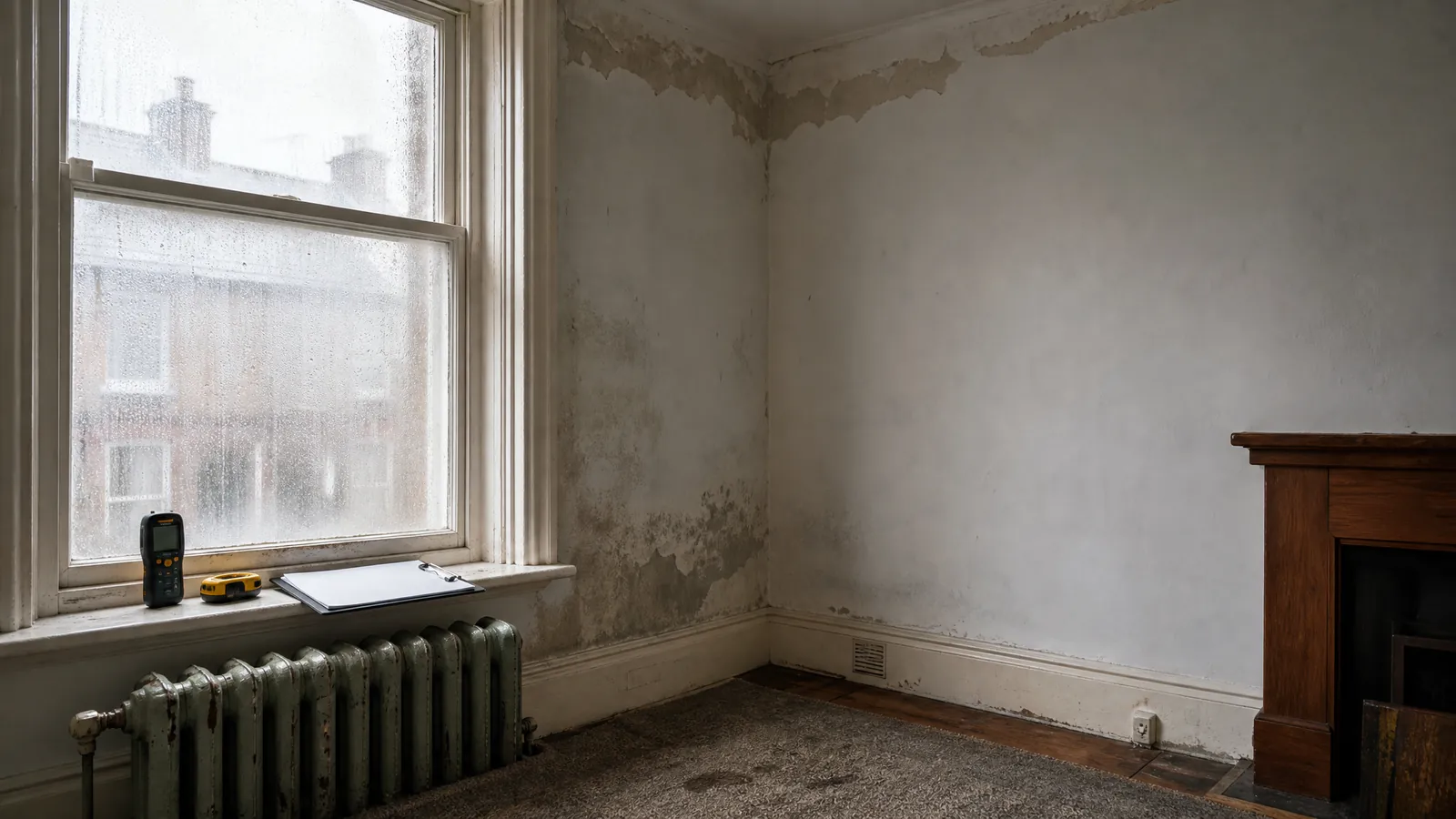
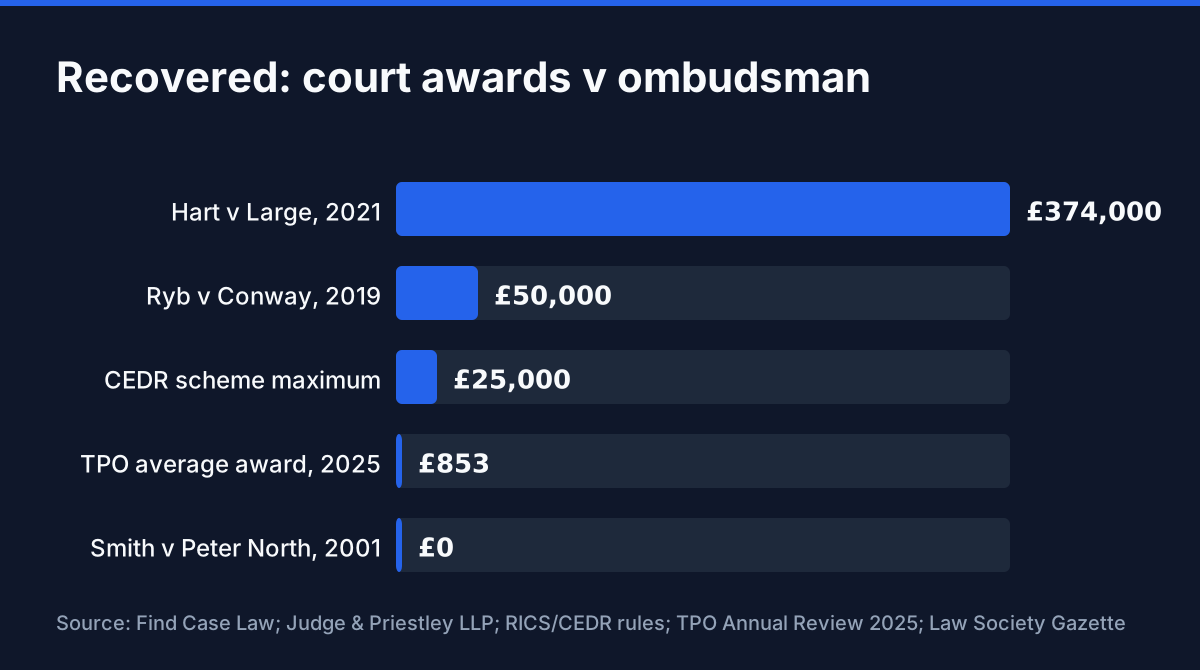
This page was researched on the first of October 2026 from primary sources: judgments on The National Archives' Find Case Law service, the Civil Procedure Rules and pre-action protocol on justice.gov.uk, the Limitation Act on legislation.gov.uk, the Ministry of Justice's Civil Justice Statistics Quarterly, HM Courts and Tribunals Service's EX50 fee table, RICS's professional indemnity requirements and annual review, the RICS/CEDR redress scheme rules, The Property Ombudsman's annual review and the Bond Solon expert witness survey. Three figures rest on secondary reports and are named as such in the text: the Ryb v Conway award (a solicitors' report of an unreported county court judgment), the Smith v Peter North figures (a Law Society Gazette report of a 2001 Court of Appeal decision) and the Skykomish margin (an expert firm's case note, the judgment itself being too long to read in full in the fetch tool). Pre-2025 figures are dated in the text and in the tables. The recency sweep that preceded the research ran at full strength on Reddit, TikTok and the open web, but its YouTube leg returned results unrelated to the query for one search and was marked unreliable; no YouTube material was used. Every source URL was fetched and checked by the automated verification script on the second of October 2026: all hosts were reachable and each figure was located in the page text, except that figures held inside PDF documents, which the script cannot read, were confirmed by extracting the PDF text and locating the exact value; a small number of hosts that block automated requests were confirmed by opening the page directly. That check is recorded against every fact in the fact sheet. The hero image was rendered by an image model from a text-free composition brief; the statistics card and the comparison chart were drawn locally from the fact sheet so that every number on them is the fact sheet's own. No success rate for surveyor negligence claims is published by any court, insurer or regulator, and the reported judgments over-represent lender and commercial valuation claims; residential county court outcomes are mostly settled or unreported.
- Sources consulted: 41
- Sources cited: 23
- Data freshness: current year: 24, last year: 29, older: 33
- Data range: 2001-10-08 to 2026-10-01
- Research date: 2026-10-01
- Update schedule: Quarterly, after each Civil Justice Statistics release
- Limitations: No public dataset records the success rate of surveyor negligence claims by cause of action; reported judgments over-represent high-value lender and commercial valuation claims, and residential county court outcomes are mostly unreported or settled. The Property Ombudsman's figures pool surveyors with other property professionals. Two county court and Chancery outcomes rest on secondary reports and are labelled as such.
Sources & References
- Bratt v Jones [2025] EWCA Civ 562. "Bratt v Jones [2025] EWCA Civ 562." caselaw.nationalarchives.gov.uk/ewca/civ/2025/562. Accessed 2026-10-01.
- Large v Hart [2021] EWCA Civ 24. "Large v Hart & Anor [2021] EWCA Civ 24." caselaw.nationalarchives.gov.uk/ewca/civ/2021/24. Accessed 2026-10-01.
- MoJ Civil Justice Statistics, April to June 2026. "Civil Justice Statistics Quarterly: April to June 2026." gov.uk/government/statistics/civil-justice-statistics-quarterly-april-to-june-20. Accessed 2026-10-01.
- The Property Ombudsman Annual Review 2025. "Annual Review 2025." tpos.co.uk/wp-content/uploads/2026/03/TPO-Annual-Review-2025.pdf. Accessed 2026-10-01.
- Eiger Funding v Ridge [2026] EWHC 609 (TCC). "Eiger Funding (PCC) Ltd v Ridge and Partners LLP [2026] EWHC 609 (TCC)." caselaw.nationalarchives.gov.uk/ewhc/tcc/2026/609. Accessed 2026-10-01.
- Law Society Gazette, case report. "Surveyor's negligence: Damages." lawgazette.co.uk/news/surveyors-negligence-damages/35378.article. Accessed 2026-10-01.
- RICS/CEDR redress scheme rules. "RICS consumer redress scheme: service rules." rics.org/content/dam/ricsglobal/documents/regulation/RICS-Service-Rules-Mar-2023. Accessed 2026-10-01.
- Hart v Large [2020] EWHC 985 (TCC). "Hart & Anor v Large & Ors [2020] EWHC 985 (TCC)." caselaw.nationalarchives.gov.uk/ewhc/tcc/2020/985. Accessed 2026-10-01.
- Webb Resolutions v E.Surv [2012] EWHC 3653 (TCC). "Webb Resolutions Ltd v E.Surv Ltd [2012] EWHC 3653 (TCC)." caselaw.nationalarchives.gov.uk/ewhc/tcc/2012/3653. Accessed 2026-10-01.
- Scullion v Bank of Scotland [2011] EWCA Civ 693. "Scullion v Bank of Scotland Plc (t/a Colleys) [2011] EWCA Civ 693." caselaw.nationalarchives.gov.uk/ewca/civ/2011/693. Accessed 2026-10-01.
- Judge & Priestley LLP, case report. "Surveyors must pay £50,000 for their negligence over knotweed." judge-priestley.co.uk/site/news/articles/Surveyors-must-pay-for-negligence-over-. Accessed 2026-10-01.
- Skykomish v Gerald Eve [2025] EWHC 1031 (Ch). "Skykomish Ltd v Gerald Eve LLP [2025] EWHC 1031 (Ch)." caselaw.nationalarchives.gov.uk/ewhc/ch/2025/1031. Accessed 2026-10-01.
- Expert Evidence Ltd, case note. "Skykomish Ltd v Gerald Eve LLP." expert-evidence.com/skykomish-ltd-v-gerald-eve-llp/. Accessed 2026-10-01.
- Pre-Action Protocol for Professional Negligence. "Pre-Action Protocol for Professional Negligence." justice.gov.uk/courts/procedure-rules/civil/protocol/prot_neg. Accessed 2026-10-01.
- Hart v Large (costs) [2020] EWHC 1302 (TCC). "Hart & Anor v Large & Ors [2020] EWHC 1302 (TCC)." caselaw.nationalarchives.gov.uk/ewhc/tcc/2020/1302. Accessed 2026-10-01.
- HMCTS civil court fees, EX50. "Civil court fees (EX50)." gov.uk/government/publications/fees-in-the-civil-and-family-courts-main-fees-ex5. Accessed 2026-10-01.
- Civil Procedure Rules, Part 26. "Civil Procedure Rules Part 26: Case Management - Preliminary Stage." justice.gov.uk/courts/procedure-rules/civil/rules/part26. Accessed 2026-10-01.
- CPR Practice Direction 27A. "Practice Direction 27A: Small Claims Track." justice.gov.uk/courts/procedure-rules/civil/rules/part27/pd_part27. Accessed 2026-10-01.
- Bond Solon Expert Witness Survey 2025. "The Bond Solon Expert Witness Survey 2025." bondsolon.com/media/knsjspbj/expert-witness-survey-2025.pdf. Accessed 2026-10-01.
- RICS PII Requirements v11. "Professional indemnity insurance requirements, UK and Republic of Ireland, version 11." rics.org/content/dam/ricsglobal/documents/regulation/RICS-Professional-indemnity. Accessed 2026-10-01.
- Limitation Act 1980, section 14A. "Limitation Act 1980, section 14A." legislation.gov.uk/ukpga/1980/58/section/14A. Accessed 2026-10-01.
- Limitation Act 1980, section 14B. "Limitation Act 1980, section 14B." legislation.gov.uk/ukpga/1980/58/section/14B. Accessed 2026-10-01.
- RICS Annual Review 2025. "RICS Annual Review 2025." rics.org/about-rics/corporate-governance/annual-review-and-remuneration-report/r. Accessed 2026-10-01.
Last updated: