Expert Witness
Oct 7, 2026
Schedule of Condition as Evidence in Damage Disputes
How a schedule of condition works as evidence in party wall, dilapidations and construction damage disputes, and what makes it stand up in court.

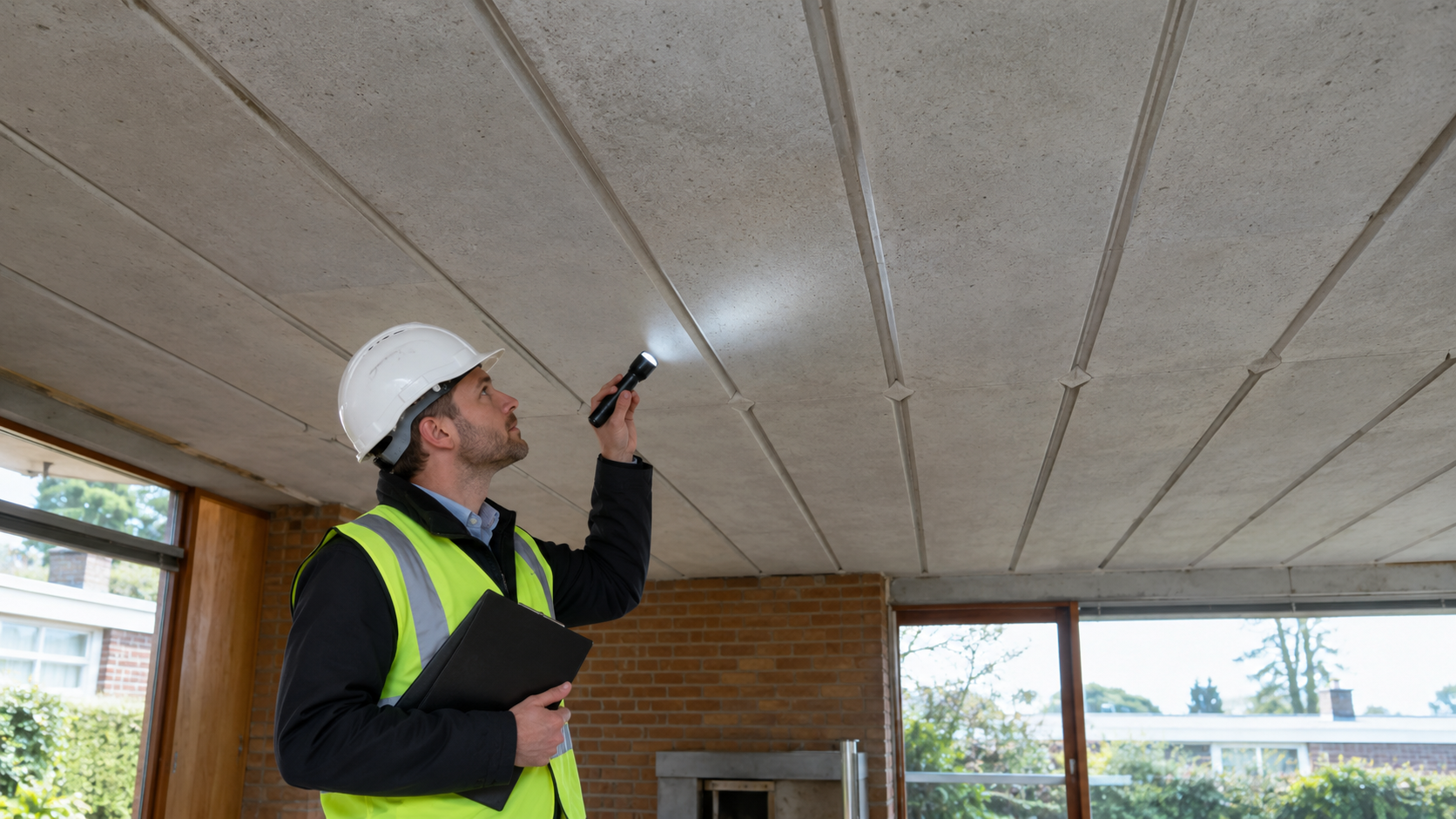
A schedule of condition is the single most useful piece of evidence in a damage dispute between neighbours, between landlord and tenant, or between a developer and the owners next door. It records, in dated photographs and written notes, what a building looked like before works started or a lease began. When cracks, staining or movement appear later, schedule of condition evidence is what separates damage genuinely caused by the works from defects that were already there. This guide explains how schedule of condition evidence is used in party wall claims, dilapidations disputes and common-law damage claims, what makes a schedule carry weight in court, and what an expert witness surveyor does when no schedule exists.
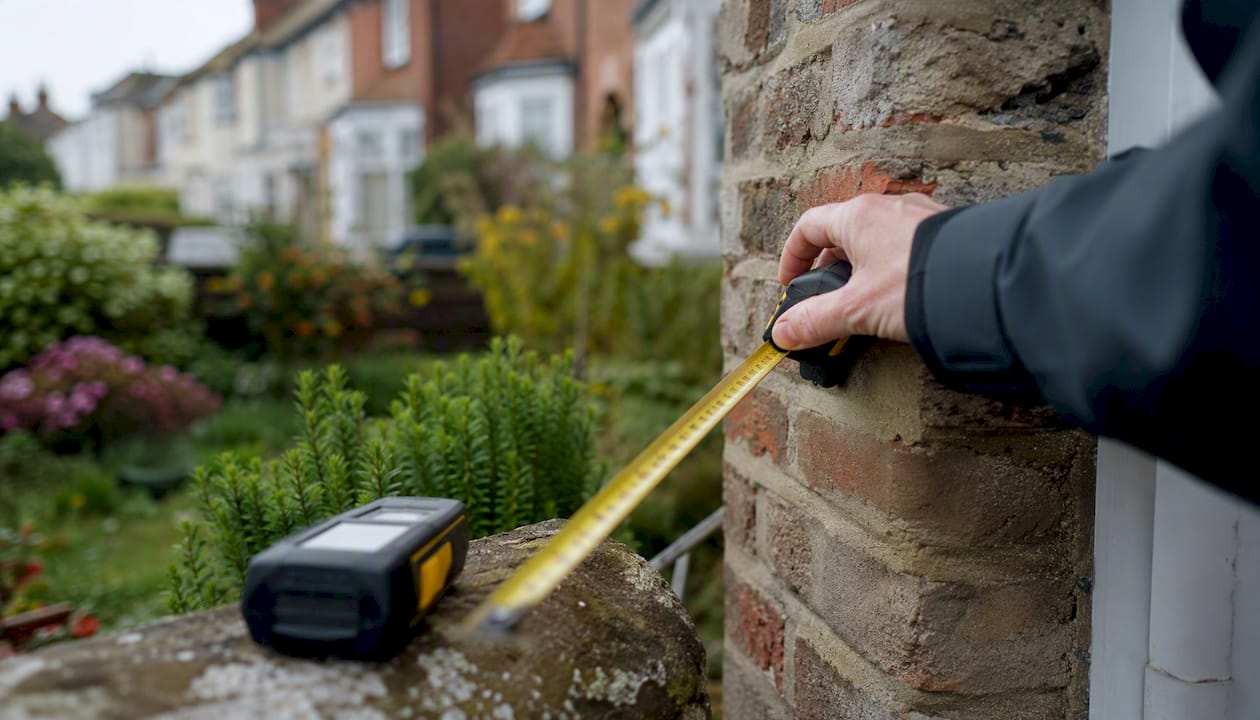
In legal terms a schedule of condition is a contemporaneous document: a record made at the time, by a professional with no stake in the later dispute, to fix a baseline. Courts give that kind of document far more weight than recollection: memory of a hairline crack fades, a dated photograph with a scale bar does not.
Three features give a schedule its evidential value:
Under section 7(2) of the Party Wall etc. Act 1996 a building owner must compensate an adjoining owner for any loss or damage caused by notifiable works. Almost every party wall award therefore provides for a schedule of condition of the adjoining property before work starts, and many allow a re-inspection once the works are complete.
When damage is alleged, the appointed surveyors compare the current condition with the schedule. Anything recorded in the schedule is pre-existing and falls outside the claim; anything new, near the works and consistent with them, is damage for which the building owner is liable. Usually that comparison settles the matter by a further award. Where an award is appealed to the county court within the 14-day window under section 10(17), or the works were carried out with no notice and the claim proceeds at common law, the schedule becomes the foundation of the expert evidence. The separate guide to party wall disputes in court explains how those claims are run.
Survey Merchant provides RICS party wall surveyors through its party wall services, and a pre-works schedule of condition is routinely prepared as part of the award process.
In a commercial lease the schedule of condition does a different job. A full repairing covenant would otherwise oblige the tenant to hand the premises back in good repair whatever their state at the start. A schedule annexed to the lease, with wording that the tenant need not put the premises into any better condition than shown in it, limits the obligation to the recorded baseline.
At lease end every item in the landlord's schedule of dilapidations is tested against the schedule of condition: if the worn carpet, cracked render or dated services were already recorded, they drop out of the claim. If the parties cannot agree and the claim reaches the County Court or the Technology and Construction Court, a dilapidations expert witness will use the schedule of condition as the starting point for every item in dispute. The guide to dilapidations disputes and expert evidence explains how that evidence is structured and how section 18 of the Landlord and Tenant Act 1927 caps the damages.
The common failure here is procedural. A schedule that was never signed, never annexed to the lease, or not referred to in the repairing covenant gives the tenant very little protection. The buyer's and tenant's guide to schedule of condition surveys sets out the steps that make the document binding.
Many damage disputes fall outside both frameworks: a basement excavation two doors away, piling on a development site opposite, or vibration from demolition. These are claims in nuisance or negligence, and the claimant must prove on the balance of probabilities that the works caused the damage.
Without a schedule of condition, causation is the battleground. The developer's expert will point to the age of the building, seasonal clay shrinkage, old settlement cracks and historic alterations. The claimant's expert must reconstruct the pre-works condition from whatever exists: estate agents' photographs, the survey from the last purchase, insurance records and the pattern of the cracking itself. The panel's construction expert witnesses do this regularly, but it is slower, costlier and less certain than opening a signed schedule.
Owners near a planned development are therefore well advised to commission their own schedule before the piling rig arrives and invite the developer to agree it. A schedule generally costs a few hundred pounds for a standard house, more for larger or commercial buildings; a contested causation argument in court costs many times that.
Opposing surveyors look for the same weaknesses every time:
Where the schedule was prepared by a surveyor appointed under section 10 of the 1996 Act, that surveyor may be called as a witness of fact to confirm what was seen. Opinion evidence on causation and repair cost normally comes from an independent expert instructed under CPR Part 35, whose overriding duty is to the court. On lower-value claims the court will often direct a single joint expert; where structural movement is alleged, the expert surveyor is frequently paired with a structural engineer for a structural crack assessment.
Survey Merchant provides RICS chartered surveyors from a national panel of 2,400+ to prepare schedules of condition before party wall works, lease commencement or neighbouring construction, and to give CPR Part 35 expert evidence when damage is disputed. The panel's surveyors prepare schedules with dated photographs, written descriptions and recorded limitations so the document stands up if tested, and the panel's expert witnesses act for claimants, defendants and insurers in party wall appeals, dilapidations claims and construction damage disputes, with single joint expert appointments accepted. Fixed fees are quoted for schedules and for defined expert witness stages; a CPR Part 35 report for a straightforward damage claim typically costs £5,000 to £15,000, with court attendance at £1,000 to £2,000 per day. To arrange a schedule of condition, or to discuss a damage claim where the evidence needs assessing, see the expert witness services page or contact Survey Merchant on 0204 579 8270.
Survey Merchant provides vetted RICS surveyors across 100+ UK locations at fixed fees:
→ Level 2 Home Survey (HomeBuyer Report)
→ Level 3 Building Survey (full structural survey)
→ RICS Red Book property valuations
→ Party wall surveyors — notices, awards & schedules of condition
→ Expert witness surveyors — CPR Part 35 reports for property disputes