We use cookies to improve your experience on our site, analyze site traffic, and assist in our marketing efforts. By clicking "Accept all," you agree to the storing of cookies on your device. You can choose to "Reject all" non-essential cookies. For more information, please read our Cookie Policy.
New Guidance on Digital Sales Packs and Property Logbooks: What the Home Buying Reform Roadmap Means for Surveys and Condition Reports (November 2026)
The RLBA has released guidance on digital sales packs and property logbooks, created at MHCLG's request. It is not law, and mandatory sales packs with a condition report still need legislation. What buyers and sellers should do now.
Two new guidance notes for property professionals, one on digital sales packs and one on property logbooks, have been released to support the Government's home buying and selling reform roadmap. They are not law, and they do not change what a buyer or seller has to do today, but they show where the system is heading: more information gathered before a home is listed, including, in time, a report on its condition.
On 6 November 2026, Today's Conveyancer reported that the Residential Logbook Association (RLBA) has released “Digital Sales Packs Non-Statutory Guidance for Property Professionals” and “Digital Property Logbooks: Non-Statutory Guidance for Property Professionals”. Both documents support the roll-out of the Ministry of Housing, Communities and Local Government (MHCLG) home buying and selling reform roadmap, and give property professionals a working standard to use while legislation is still some way off.
Key Takeaways
The RLBA has published two guidance notes on digital sales packs and property logbooks, created at MHCLG's request.
Formal Government “Non-Statutory Guidance” is expected to follow the RLBA documents.
The guidance is not law. Mandatory sales packs with a condition report require legislation that has not yet been introduced and has no fixed date.
A seller-commissioned condition report is unlikely to replace a buyer's own RICS Home Survey, particularly for older, altered or unusual homes.
Buyers should continue to commission their own survey now, since the reforms described in the roadmap are not yet in force.
Digital Sales Packs, Property Logbooks and the Reform Roadmap
A digital sales pack is a bundle of information about a property, gathered before it goes on the market, intended to answer the questions a buyer's solicitor would otherwise raise after an offer is accepted. A property logbook is a digital record that holds information about a home over its life, not just for one transaction, covering things like building regulations certificates, guarantees and planning history.
Nigel Walley, Chair of the RLBA, explained the origin of the two guidance notes: “We were requested to create these two documents by the MHCLG team.” He said the documents were workshopped with MHCLG and set out the Government's intentions on sales packs and logbooks in the roadmap.
Sally Holdway, Head of Buying & Selling at the RLBA, was clear about the current status of the documents: “These Guidance documents have been issued under the RLBA banner with formal Government 'Non-Statutory Guidance' to follow.” In other words, this is industry guidance for now, and further official guidance is still to come.
The RLBA says the guidance is intended to set a “safe harbour” standard for property professionals and lenders using logbooks and sales packs before legislation takes effect. The sales pack guidance sets out when conveyancers can rely on information in a pack in the same way as documents they have obtained themselves under the Law Society Conveyancing Protocol. It also says a verified sales pack can equally be relied on for lending purposes, because lenders rely on the same sources under the UK Finance Mortgage Lenders' Handbook.
Where This Sits in the Roadmap
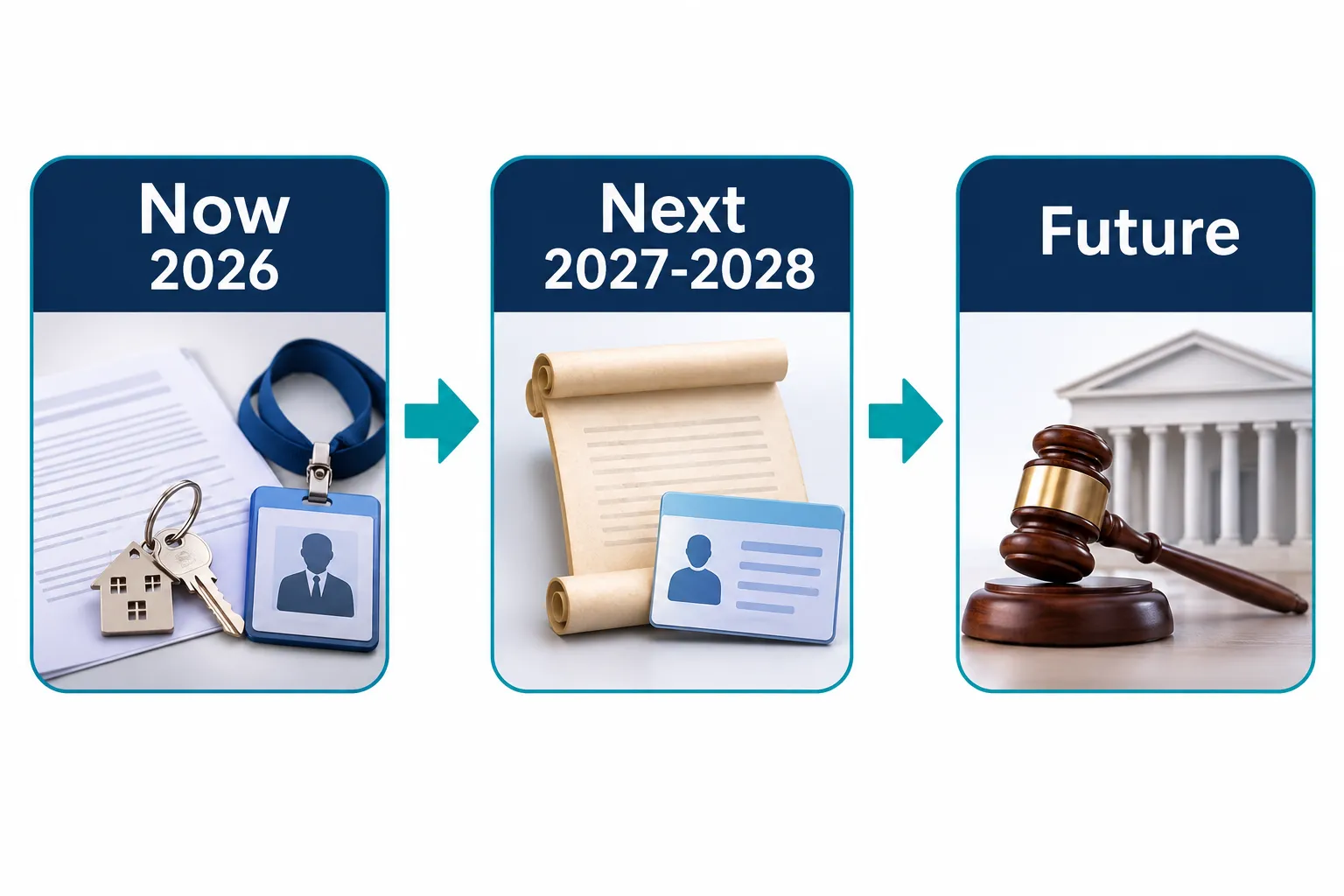
The Government's home buying and selling reform roadmap was published on 19 June 2026, following consultations that ran from 6 October to 29 December 2025. It covers the home buying process in England and Wales. Its baseline figures explain why reform is on the agenda: transactions take around 120 days on average from offer acceptance to completion, around 60% longer than in 2007; around one in three transactions falls through; and fall-throughs cost consumers around £400 million a year.
Stage
What is planned
Status
Now (2026)
Non-statutory guidance on listings and agents' duties; voluntary sales pack information agreed with industry; a non-statutory Code of Practice for property agents; voluntary reservation agreements; work on digital identity, electronic signatures, digital logbooks and packs
In progress, voluntary
Next (2027 to 2028)
An advisory Home Buying and Selling Charter; a consultation on mandatory qualifications for estate and letting agents; wider uptake of digital ID, logbooks and packs; a voluntary data standards accreditation scheme
Planned, mostly advisory
Future (by the end of this Parliament, when parliamentary time allows)
Legislation on sales packs, binding conditional contracts, and digital sales packs and logbooks
Not yet introduced, no fixed date
The Government's stated intention is a standardised sales pack, prepared before a property is listed, that includes property search results and a property condition report. This requires legislation that has not yet been introduced. In the consultation, 58% of respondents supported including both searches and a condition report in the pack, and 66% supported including at least one of them. Under the proposed model, sellers would keep overall responsibility for the pack, conveyancers would gather legal and title information, and surveyors would handle condition-related information.
The Surveying Angle: What a Condition Report Can and Cannot Tell a Buyer
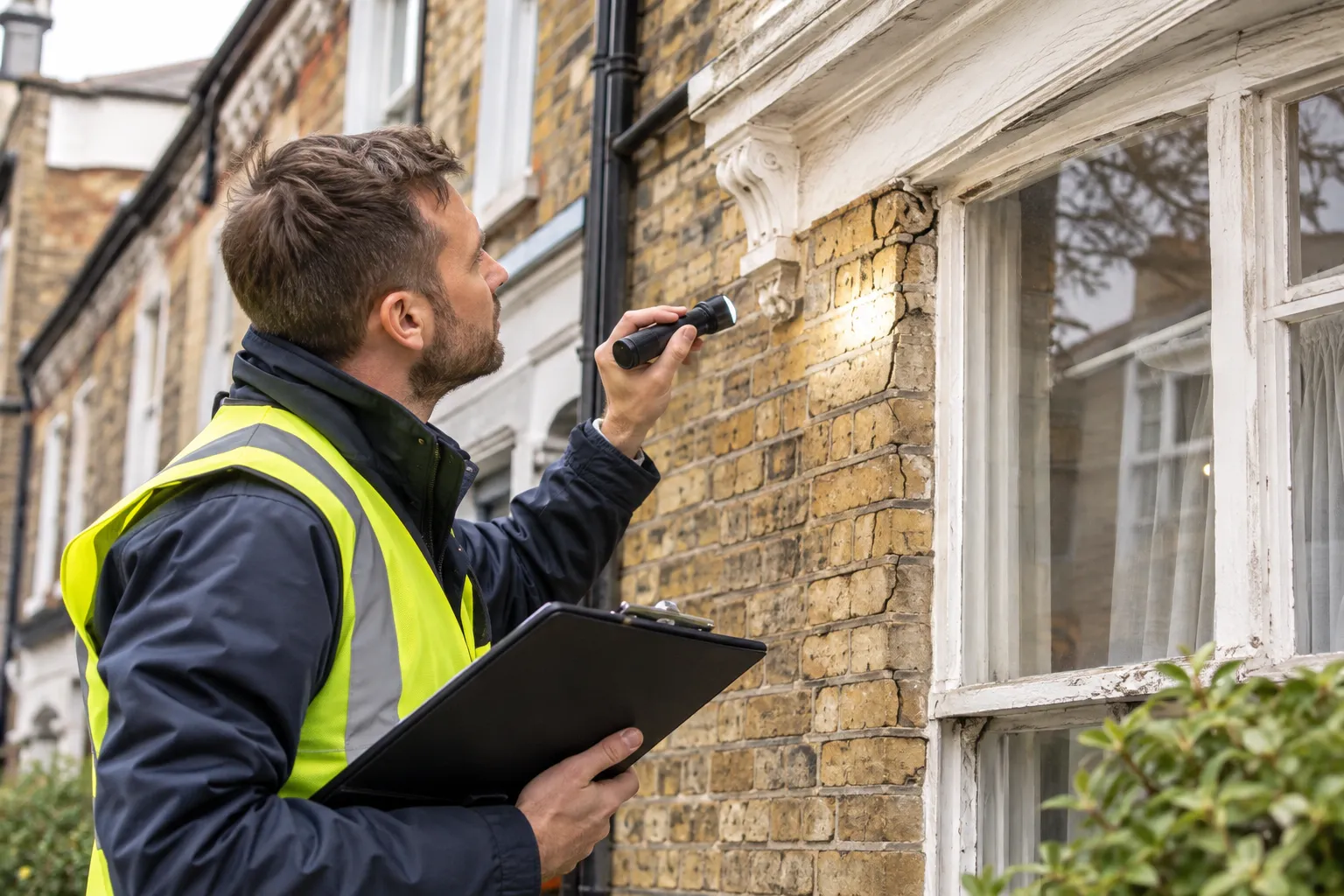
An upfront property condition report, prepared before a home is listed, could give a buyer an early, general picture of the building: its age and construction type and any obvious visible defects. That is useful context, and it is better than no information at all. The detailed scope of any mandatory condition report has not yet been set.
It is also likely to have real limits. A report commissioned by a seller is prepared on the seller's instruction, to whatever scope and terms were agreed at the time. A buyer who was not party to that instruction may not be able to rely on it in the same way as a survey they commissioned themselves, and the inspection may be weeks or months old by the time an offer is made, during which the property's condition can change.
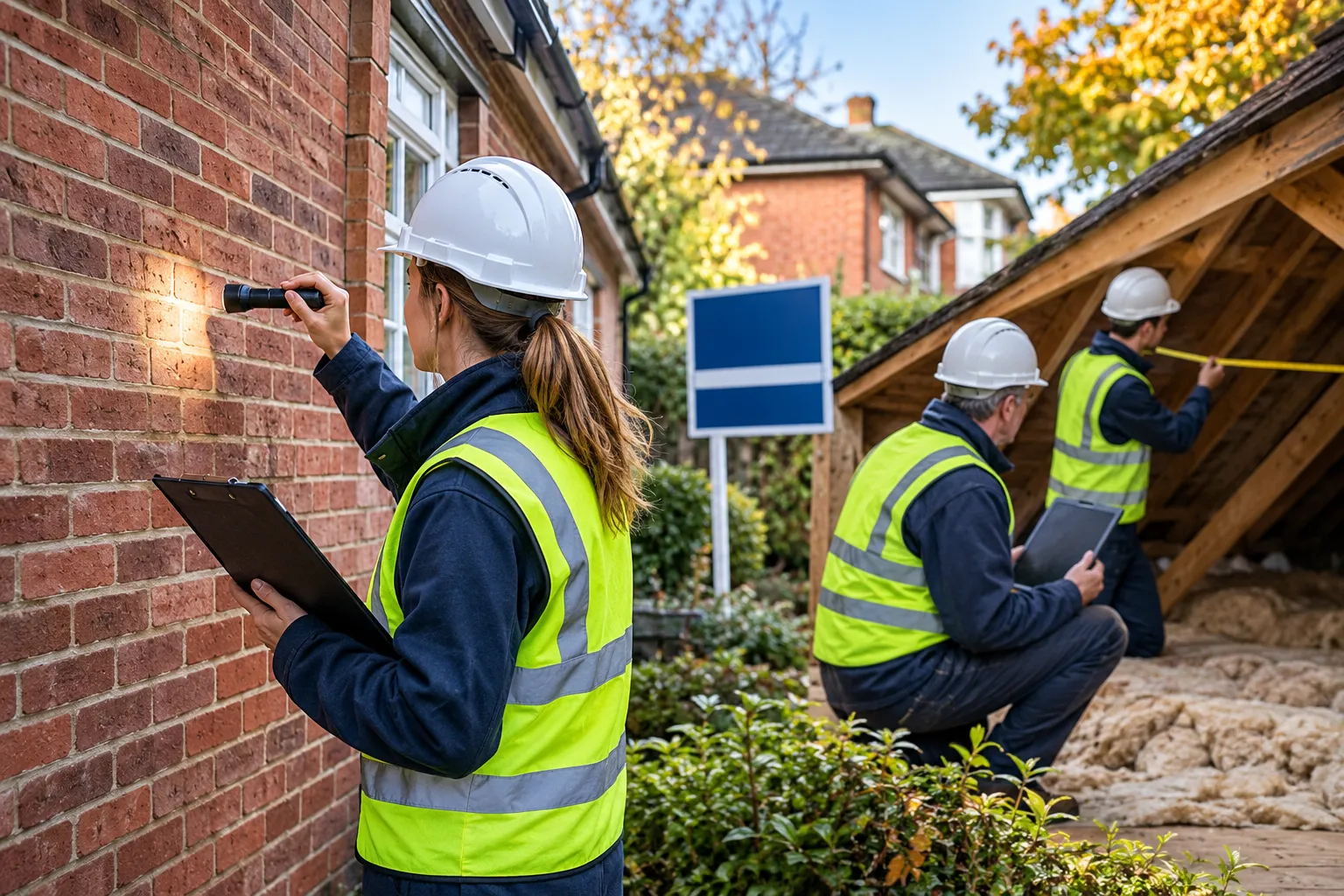
For older housing, buildings with several past extensions, or anything of unusual construction, a general condition report prepared for a sales pack is unlikely to substitute for a RICS Home Survey Level 2 or Level 3 instructed directly by the buyer. A Level 2 survey suits conventional homes in reasonable condition. A Level 3 survey is designed for older, altered or structurally complex properties and looks in more depth at the structure, the roof space where accessible, signs of movement and the implications of past alterations. These reports are addressed to the buyer, reflect the building as found on a date close to the buyer's own decision, and set out defects in a way intended to support that buyer's negotiation and purchase decision.
What Sellers Can Do Now, Voluntarily
Nothing in the roadmap currently requires a seller to provide a survey before their property reaches the market. Sellers can, however, get ahead of the reforms by preparing voluntarily:
Gather building regulations completion certificates for extensions, boiler replacements, electrical work and windows.
Locate guarantees for damp proofing, roofing work or structural repairs.
Consider commissioning a pre-sale survey to identify issues before a buyer's surveyor does, reducing the chance of late renegotiation or withdrawal.
Keep planning permissions, lease documents (for leasehold properties) and management company contact details together in one place.
What Buyers Should Do Now
The reforms described in the roadmap are not yet law. No seller is currently obliged to supply a condition report, and a buyer should not assume that any document included in marketing material removes the need for their own inspection. Buyers should continue to commission their own RICS Home Survey, matched to the age and condition of the property, before exchange of contracts, regardless of what sales information the seller or agent has already provided.
Frequently Asked Questions
Is a digital sales pack now a legal requirement in England and Wales? No. The RLBA guidance is industry guidance, not law. A standardised sales pack with a condition report needs legislation that has not yet been introduced and has no fixed date.
What is a property logbook? A digital record holding information about a property over time, such as building regulations certificates, guarantees and planning history, rather than information gathered for a single sale.
Can my solicitor rely on information in a seller's sales pack? The RLBA guidance sets out when conveyancers can rely on information in a verified pack in the same way as documents they obtained themselves under the Law Society Conveyancing Protocol, but this remains guidance, not a binding legal standard. Your own conveyancer will advise on what they can rely on.
Does a seller's condition report replace my own survey? It is unlikely to, particularly for older, altered or unusual properties. It may have a different intended audience, scope and inspection date from a survey commissioned directly by you.
When will mandatory sales packs with condition reports happen? Legislation sits in the “future” stage of the roadmap, by the end of this Parliament when parliamentary time allows. There is no confirmed date yet.
Conclusion
The RLBA's two guidance notes mark a practical, if non-binding, step in the Government's home buying and selling reform roadmap, giving property professionals a shared standard to work to while legislation is awaited. Until mandatory sales packs with condition reports become law, buyers should keep commissioning their own RICS surveys, and sellers who want a smoother sale can start gathering documents and considering a pre-sale survey now. The Survey Merchant can connect you with a local RICS surveyor for building surveys and valuations across the UK.
Related guides
No items found.
Book a RICS surveyor
Survey Merchant provides vetted RICS surveyors across 100+ UK locations at fixed fees: