Building Surveying
Sep 20, 2026
Building Survey Manchester: Costs and What to Expect
What a building survey in Manchester costs, how long it takes, which RICS level suits terraces, semis and flats, and the local defects surveyors check for.

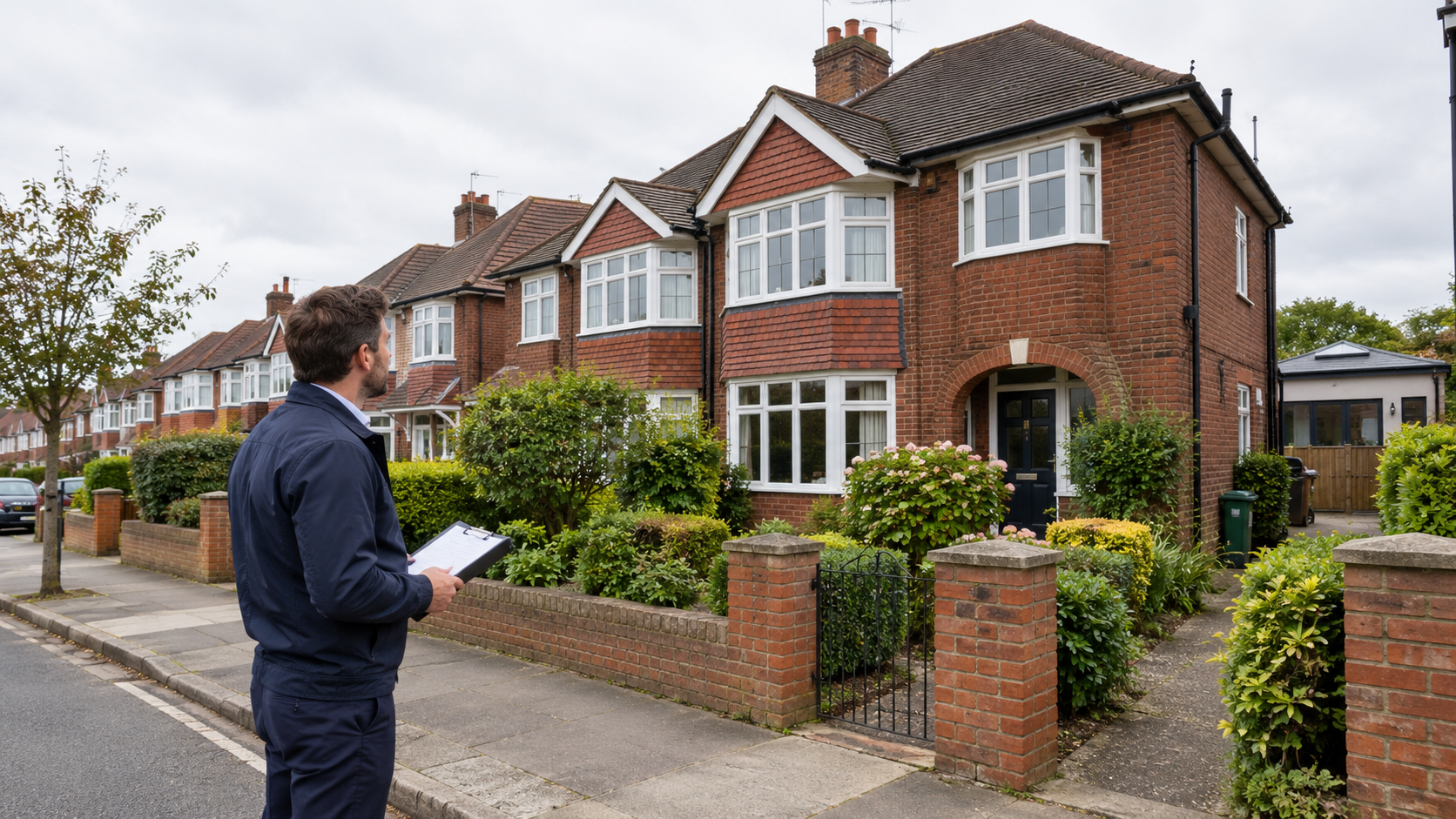
A building survey in Manchester typically costs between £600 and £1,200 for a RICS Level 3 report, or £400 to £600 for a Level 2 HomeBuyer-style report, and, as a general market picture, the written report usually follows within two to four weeks of booking. Those are the headline numbers. What matters more is whether the survey is pitched at the right level for the property, because Manchester's housing stock ranges from 1870s red-brick terraces and converted cotton mills to 1930s semis and glass-fronted city-centre apartments, and each of those brings its own defects. This guide explains what a Manchester building survey covers, what it costs, how long it takes and which level suits which kind of home.
The RICS Home Survey Standard sets out three levels. Level 1 is a basic condition report and is rarely worth commissioning on an older Manchester property. The choice for most buyers is between Level 2 and Level 3.
A useful rule of thumb: if the house is older than you are, has solid walls, or you are planning works, choose Level 3. Our guide to what a Level 3 survey covers goes into the report format in more depth.
Survey fees are driven by the property's size, age, construction and value rather than by postcode alone, so Manchester quotes sit close to the national ranges published across this site. Level 2 reports are quoted at around £400 to £600. Level 3 building surveys run from about £600 for a small terrace to £1,200 or more for a large Victorian semi or a house that has been heavily extended. Very large or unusual buildings, listed properties and properties with several outbuildings will attract quotes above that band.
Survey Merchant quotes fixed fees, so the price you are given before booking is the price on the invoice. Two extras are worth budgeting for if the report recommends them: a structural engineer's report on movement or a load-bearing alteration, and a specific defect report where a single issue such as damp or a roof needs a closer look. The site-wide house survey cost guide compares all three levels side by side.
Greater Manchester's high rainfall, industrial history and dominant building types shape what the panel's surveyors pay closest attention to.
As a general market picture, an inspection can usually be booked within one to two weeks of instruction, depending on how quickly the estate agent can arrange access. A Level 2 inspection typically takes two to three hours on site; a Level 3 inspection of a large older house can take most of a day. Written reports normally follow within five to ten working days, with Level 3 reports at the longer end because of the level of detail involved. If you are working to an exchange deadline, say so when you book, because the report date is what your solicitor and mortgage lender will be waiting for.
Most Manchester surveys come back with a mix of condition rating 2 items (defects needing attention in due course) and a handful of rating 3 items that need urgent action or further investigation. Read the summary first, then the sections on the roof, walls and services, and ask your surveyor to talk you through anything unclear. Most surveyors are happy to take a call once you have read it. From there you have three routes: proceed as agreed, renegotiate the price to reflect the cost of urgent repairs, or commission further investigation before committing. If the property shares a wall with a neighbour and you plan works after completion, a Manchester party wall surveyor can advise on notices under the Party Wall etc. Act 1996 at the same time.
For a comparison of how the process runs in the capital, see the companion guide to a building survey in London, and for a round-up of the ways buyers find surveyors locally, the chartered surveyors Manchester marketplaces article.
Survey Merchant provides RICS-regulated building surveyors across Manchester, Salford, Trafford, Stockport, Tameside, Bury, Bolton, Oldham, Rochdale and Wigan, drawn from a national panel of 2,400+ chartered surveyors. Survey Merchant matches the surveyor to the property type, so a Victorian terrace in Chorlton and a new-build apartment in Salford Quays are inspected by surveyors who know that kind of building, and every quote is a fixed fee agreed before the inspection is booked. Level 2 and Level 3 reports, specific defect reports and structural engineer's reports can all be arranged through the same enquiry.
To get a fixed-fee quote, visit the building surveying service page, call 0204 579 8270 or use the contact form with the property address and the level of survey you have in mind.
Survey Merchant provides vetted RICS surveyors across 100+ UK locations at fixed fees:
→ Level 2 Home Survey (HomeBuyer Report)
→ Level 3 Building Survey (full structural survey)
→ RICS Red Book property valuations
→ Party wall surveyors — notices, awards & schedules of condition
→ Expert witness surveyors — CPR Part 35 reports for property disputes