Building Surveying
Sep 17, 2026
Building Survey London: Costs, Timescales and What to Expect
What a Level 3 building survey in London costs, how long it takes from booking to report, what the surveyor inspects and how buyers should use the findings.

A building survey in London is the most thorough pre-purchase inspection available to home buyers, and it is the survey most often recommended for the capital's Victorian terraces, Edwardian semis, converted flats and period houses. This guide sets out what a building survey London buyers commission actually costs, how long it takes from booking to report, what the surveyor inspects and what to do with the findings once the report arrives.
A building survey is the RICS Level 3 Home Survey, formerly called a full structural survey. Under the RICS Home Survey Standard it is the highest of the three survey levels and is designed for older, larger, altered or unusual properties, which describes a large share of London's housing stock. A Level 3 building survey is generally the right choice if the property is pre-1920, has been extended or converted, has visible defects, or if you plan significant works after completion.
For a conventional post-war house or a purpose-built flat in reasonable condition, a Level 2 HomeBuyer Report may be sufficient. The difference between the levels comes down to depth: Level 2 identifies visible problems and rates their urgency, while Level 3 explains the cause of defects, the likely repair options and the consequences of leaving them.
Across the UK, Level 3 building surveys typically cost £600 to £1,200, with Level 2 HomeBuyer Reports at £400 to £600. In London, fees tend to sit towards the upper end of those ranges because property values are higher, houses are often larger and older, and surveyors' overheads are greater. A Level 3 survey on a five-bedroom Victorian house in Zone 2 will cost more than one on a two-bedroom terrace in an outer borough.
The main factors that move the fee are:
Survey Merchant quotes fixed fees for building surveys, so the price agreed at booking is the price on the invoice. For a fuller breakdown of survey pricing by level, see the house survey cost guide.
Timescales fall into three stages, and each one depends partly on the property and partly on how quickly access can be arranged with the estate agent or seller.
Realistically, buyers should allow two to three weeks from instruction to having the report in hand, and should book the survey as soon as an offer is accepted rather than waiting for searches to come back.
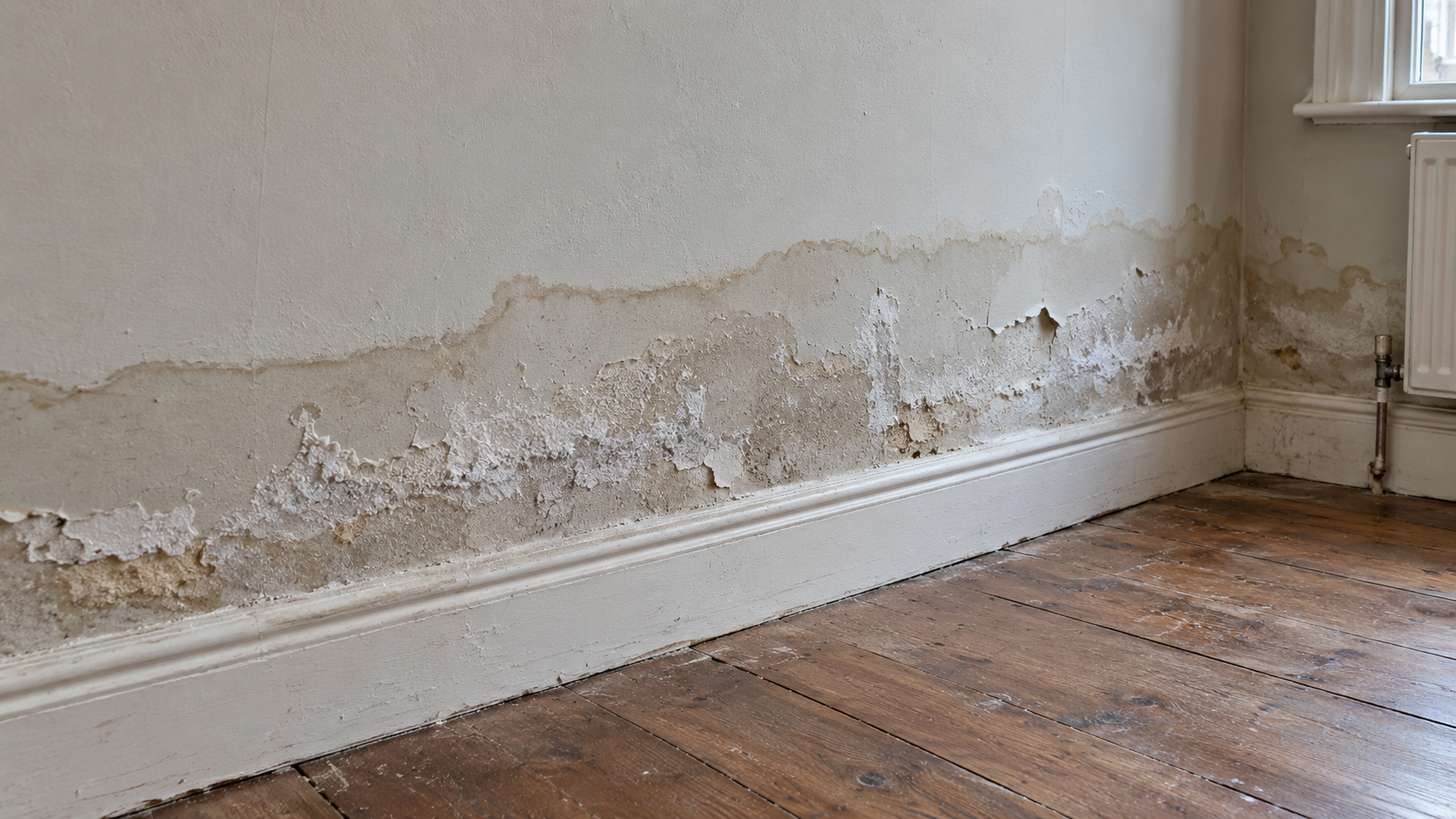
A Level 3 inspection covers every accessible part of the building, inside and out. Your surveyor will examine the roof coverings and structure (from the loft and from ground level or a ladder), chimneys, rainwater goods, external walls, windows and doors, internal walls, ceilings and floors, damp-proofing and ventilation, and the visible parts of the services. Lifting loose floorboards, opening hatches and looking into cellars and roof voids are all part of the brief where it is safe and access is available.
In London specifically, surveyors pay close attention to a recurring set of issues:
Where a single serious issue is found, a focused specific defect report can be commissioned to establish cause and repair cost without repeating the full survey.
A Level 3 report describes each element of the building, explains the defects found and their likely causes, sets out the options for repair and gives an indication of urgency using the RICS condition ratings (1 for no repair needed, 2 for defects needing attention but not urgent, and 3 for serious or urgent defects). Unlike a Level 2 report, it should also give the surveyor's opinion on the consequences of not carrying out the work and, where instructed, an indication of repair costs.
The report is a negotiating tool as much as a technical document. A condition rating 3 on the roof or evidence of ongoing movement gives a buyer a factual basis to ask the seller for a price reduction, to request that works are carried out before exchange, or to walk away. Buyers of leasehold flats should also pass the relevant sections to their solicitor, since repairs to shared parts may fall under the service charge. If a neighbour's works are planned or under way next door, the report may also flag a need for party wall advice.
Look for an RICS-regulated chartered surveyor (MRICS or FRICS) with recent experience of the specific property type and area. A surveyor who regularly inspects Victorian terraces in south London will read that housing stock more quickly and accurately than a generalist. Ask what the fixed fee includes, how long the report will take, whether a telephone debrief is offered and whether the surveyor carries professional indemnity insurance. The guide to hiring a chartered building surveyor in London covers the questions to ask in more detail.
Survey Merchant provides RICS chartered surveyors for building surveys across every London borough, from a national panel of 2,400+ RICS surveyors. The panel's surveyors carry out Level 2 and Level 3 Home Surveys to the RICS Home Survey Standard, with fixed fees quoted before you book and reports written in plain English so that the findings can be acted on quickly. Survey Merchant matches each instruction to a local surveyor with experience of the property type, whether that is a converted flat in Islington or a detached house in Bromley. To arrange a survey, request a fixed-fee quote through the contact page or call 0204 579 8270.
Survey Merchant provides vetted RICS surveyors across 100+ UK locations at fixed fees:
→ Level 2 Home Survey (HomeBuyer Report)
→ Level 3 Building Survey (full structural survey)
→ RICS Red Book property valuations
→ Party wall surveyors — notices, awards & schedules of condition
→ Expert witness surveyors — CPR Part 35 reports for property disputes