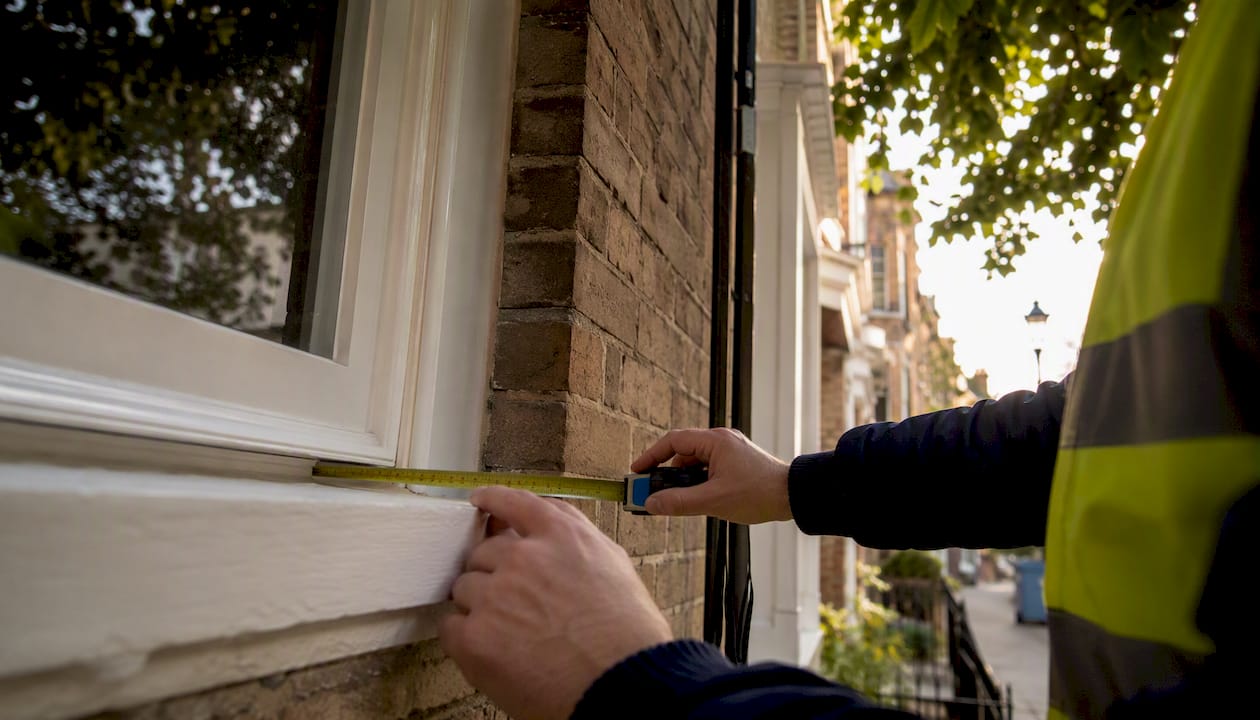
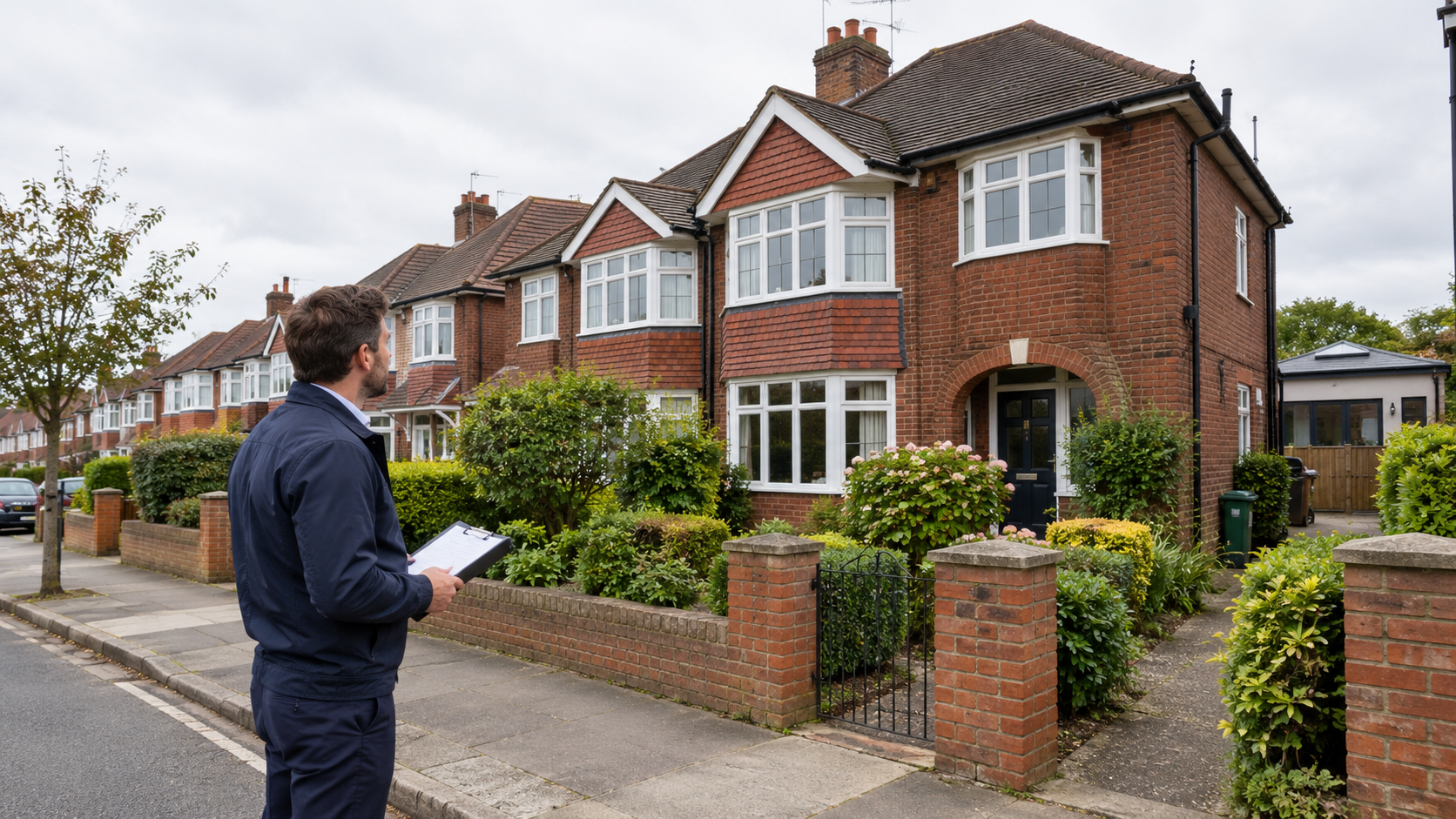
A valuation expert witness is an RICS Registered Valuer instructed to give independent, impartial evidence on what a property is, or was, worth. Valuation disputes arise in professional negligence claims against valuers, divorce and financial remedy proceedings, probate and inheritance tax challenges, lease extension and enfranchisement cases, rent review arbitrations and disputes between co-owners or business partners. In each of them the court or tribunal needs an opinion of value it can rely on, prepared to the standard set by CPR Part 35 and the RICS practice statement on surveyors acting as expert witnesses, not a routine mortgage or marketing appraisal. This guide explains when valuation expert evidence is needed, what the report must contain, how tribunals and courts test it, and what it costs.
When does a property dispute need a valuation expert witness?
Most property valuations are advisory: a Red Book valuation for a lender, executor or leaseholder is prepared for a client who will act on it and typically costs £250 to £500. Expert witness evidence differs in purpose and duty. The expert owes an overriding duty to the court under CPR 35.3, not to the party paying the fee, and the report exists to help a judge, arbitrator or tribunal decide a contested question of value.
The disputes in which valuation expert evidence is most often needed include:
- Negligent valuation claims - a lender or buyer alleges that a valuer overvalued a property, and the court must decide what a competent valuer would have said at the time.
- Matrimonial and financial remedy proceedings - the family home, investment property or a business premises must be valued for division between separating spouses.
- Probate and inheritance tax - HMRC or the Valuation Office Agency challenges a date-of-death value, or beneficiaries dispute the price at which an estate asset was sold.
- Leasehold Reform Act 1993 claims - the premium for a lease extension or collective enfranchisement is disputed and referred to the First-tier Tribunal (Property Chamber).
- Rent reviews and lease renewals - open market rent is fixed by an arbitrator or independent expert, or by the court under the Landlord and Tenant Act 1954.
- Co-ownership, partnership and shareholder disputes - property held jointly must be valued for a buy-out, sale or account.
In each case an expert appointed early can shape the pleadings, inform settlement offers and avoid paying for a report that later has to be rewritten to comply with Part 35.
What a valuation expert witness report must contain
The report follows the structure required by Practice Direction 35 and the RICS practice statement. It sets out the expert's qualifications and RICS Registered Valuer status, the questions asked in the letter of instruction, the documents relied on, the inspection carried out and the basis of value adopted. For most disputes that basis is market value as defined in the RICS Valuation - Global Standards (the Red Book), although matrimonial, tax and compensation cases can each require a specific statutory or agreed basis, and the report must say which one has been used and why.
The heart of the report is the comparable evidence. The expert identifies transactions of similar property close to the valuation date, adjusts them for size, condition, tenure, location and timing, and explains each adjustment so the reader can follow the reasoning. Where the valuation is retrospective, only evidence that was available at the historic date may be used, and the report should say what a valuer could and could not have known then. The report closes with a summary of conclusions, a statement of the range of reasonable opinion where one exists, the expert's declaration and the statement of truth required by CPR 35.10 and PD35.
Where the property has since been sold or altered, a Part 35-compliant report can still be prepared from historic photographs, sales particulars, planning records and the original inspection notes.
Negligent valuation claims and the margin of error
Claims against valuers are the largest single source of valuation expert witness instructions. A negligence claim does not succeed simply because a later valuation, or the eventual sale price, differs from the original figure. The claimant must show that the valuation fell outside the range a reasonably competent valuer could have reached at the time. Courts have generally accepted a margin of around 5 per cent either side of the correct figure for a standard residential property, widening to around 10 per cent for property with unusual features and occasionally 15 per cent for exceptional or highly specialised assets.
The expert's task is therefore twofold. First, to establish the correct value at the valuation date from the comparable evidence, ignoring hindsight. Second, to explain what the original valuer's file, inspection and methodology show about the process followed, and whether that process met the standard of a competent RICS valuer. Where the claim also alleges that the valuer missed a defect, the panel can arrange a surveyor negligence expert to give evidence on the inspection alongside the valuation opinion. The guide to surveyor negligence claims covers the pre-action steps and limitation periods in more detail.
How courts and tribunals test valuation evidence
In the High Court and County Court the usual sequence applies. Permission is required under CPR 35.4, reports are exchanged, either party may put written questions under CPR 35.6, and the experts are directed to meet and produce a joint statement under CPR 35.12 recording the values on which they agree and the reasons they disagree. In valuation cases the joint statement usually narrows the dispute to a handful of comparables and adjustments.
In family proceedings the Family Procedure Rules Part 25 apply, and the court's strong preference is for a single joint expert valuer instructed by both spouses, with the parties putting written questions to the expert rather than each instructing their own. Leasehold valuation disputes before the First-tier Tribunal (Property Chamber) and compensation cases before the Upper Tribunal (Lands Chamber) follow the tribunals' own procedure rules and practice directions, which still require independence, a statement of truth and a clear evidential basis for the figures. Rent review arbitrations under the Arbitration Act 1996 expect valuation evidence to the same Red Book standard.
Whichever forum applies, cross-examination asks the same questions: are the comparables right, are the adjustments justified, has hindsight crept in, and does the expert meet the RICS expert witness standards?
How much does a valuation expert witness cost?
Fees depend on the number of properties, the valuation date and the volume of documents. For a straightforward single-property dispute a Part 35 valuation report typically costs £5,000 to £15,000. Complex matters involving several properties, historic valuation dates, development appraisals or competing expert reports commonly reach £20,000 to £50,000 or more. Hourly rates of £150 to £300 apply to document review, experts' meetings and Part 35 questions, with court or tribunal attendance at £1,000 to £2,000 per day. The full breakdown is in the guide to expert witness costs in the UK.
A single joint expert halves the expert fee between the parties and is often the only option the court will permit on lower-value claims. A short preliminary opinion before a full report is commissioned can also show quickly whether the disputed figure is likely to sit inside or outside the reasonable range.
Arrange a valuation expert witness through Survey Merchant
Survey Merchant provides RICS Registered Valuers as expert witnesses for property valuation disputes across England, Wales, Scotland and Northern Ireland. The panel's valuers prepare CPR Part 35 and FPR Part 25 compliant reports for negligence claims, financial remedy proceedings, probate and inheritance tax disputes, lease extension cases, rent reviews and co-ownership disputes, accept single joint expert and party appointments, and attend hearings when required. Survey Merchant matches the valuer's specialism and local market knowledge to the property in dispute and quotes fixed fees for the report stage.
To discuss a valuation dispute, visit the valuation expert witness service page, see the wider expert witness services, or contact the team on 0204 579 8270 with the property details, the valuation date and the stage the dispute has reached.