We use cookies to improve your experience on our site, analyze site traffic, and assist in our marketing efforts. By clicking "Accept all," you agree to the storing of cookies on your device. You can choose to "Reject all" non-essential cookies. For more information, please read our Cookie Policy.
UK Property Transactions Fall August 2026: HMRC Data Hands Buyers Survey Leverage Ahead of the Budget
HMRC's 30 September 2026 release shows 96,250 UK residential transactions in August, 11% below July and 9% below August 2025. This October 2026 analysis explains how a RICS survey turns buyer leverage into a costed renegotiation.
Ninety-six thousand two hundred and fifty. That is the number of UK residential transactions HMRC recorded for August 2026, and it is a figure that tells its own story about a market losing momentum in the run-up to the Autumn Budget. For anyone currently viewing houses, the headline is simple: fewer sales are completing, more homes are sitting on the market, and that shift in power is exactly the kind of backdrop in which a RICS survey stops being a box-ticking exercise and starts being a negotiating weapon.
This piece examines why the August 2026 fall in UK property transactions has become the defining storyline of the autumn market, what the HMRC numbers actually mean once you strip out seasonal noise, and how buyers can turn a cooling market into a costed, evidence-backed discount.
Key Takeaways
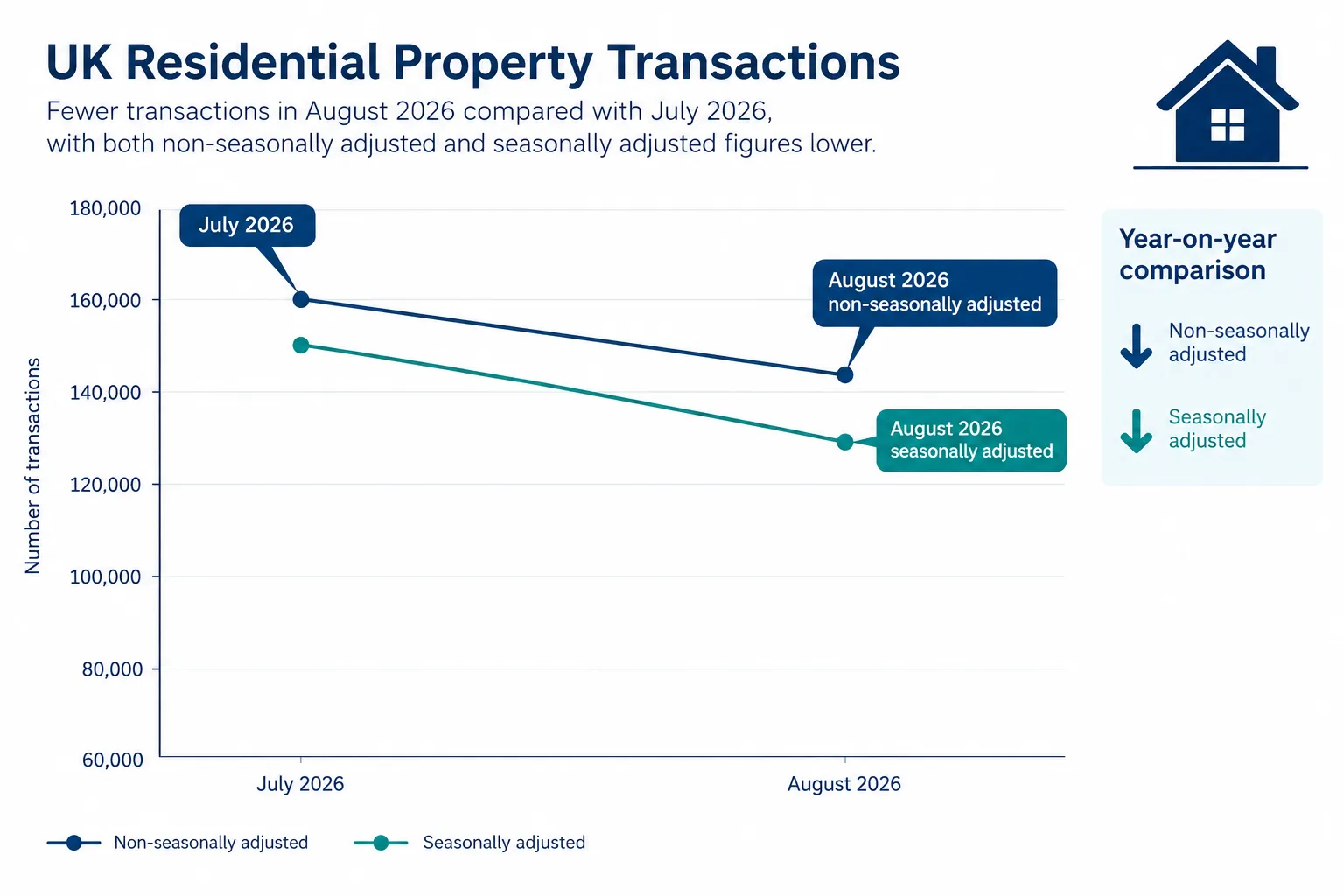
HMRC recorded 96,250 UK residential transactions in August 2026, down 11% on July and 9% on August 2025 (non-seasonally adjusted).
On a seasonally adjusted basis, transactions were still down 1% month-on-month and 2% year-on-year, confirming a genuine, not just seasonal, slowdown.
Rising stock (Zoopla: homes for sale up roughly 5% year-on-year) combined with mortgage rates at a three-year high of around 5.2% is shifting leverage toward buyers.
A RICS Level 2 Home Survey or Level 3 Building Survey turns that market leverage into a specific, costed case for price renegotiation or a completion retention.
The 28 October 2026 Budget is not expected to touch stamp duty, but buyers should still move carefully given chain collapse risk in a slower market.
The HMRC Numbers Behind the October 2026 Property Transactions Slide
HMRC published its monthly property transactions statistics on 30 September 2026, and the data confirms what estate agents and brokers have been sensing since spring: activity is cooling, consistently, release after release. The headline figure of 96,250 residential transactions in August was 11% lower than July 2026 and 9% lower than August 2025 on a non-seasonally adjusted basis. Even once the seasonal adjustment is applied, which strips out the usual summer slowdown, transactions were still down 1% on July and 2% on August 2025.
That consistency matters. A single weak month can be noise. Two consecutive releases falling both month-on-month and year-on-year, heading straight into a Budget that markets are nervous about, is a trend.
Measure
August 2026
vs July 2026
vs August 2025
UK residential transactions (non-seasonally adjusted)
96,250
-11%
-9%
UK residential transactions (seasonally adjusted)
Lower than July
-1%
-2%
Trend across recent releases
Falling month-on-month and year-on-year
Consecutive
Consecutive
Data published
30 September 2026
n/a
n/a
Next major market event
Autumn Budget, 28 October 2026
n/a
n/a
Industry reaction has been measured rather than alarmed. Neil Knight of Spicerhaart Part Exchange and Group Clients said "a dip in transactions comes as no real surprise given the state of play in the market and wider economy." Richard Pike of Phoebus Software described a slow-burn trend, noting that "transaction volumes have been gradually losing momentum since the spring, and August continued that downward trend." Karl Wilkinson of Access Financial Services offered a useful caveat: because HMRC's figures track completions, they "tell us more about activity from several months ago than what is happening today," given the usual lag between an offer and a legal completion.
Why Falling Transactions Hand Buyers Leverage in Negotiations
Fewer completed sales combined with more homes for sale is the textbook definition of a buyer's market. Zoopla reports available homes for sale are up around 5% on a year ago, while average mortgage rates have climbed to a three-year high of roughly 5.2%, with major lenders withdrawing sub-5% deals in the week to 2 October 2026. Nationwide's September index shows annual house price growth roughly halving, a subdued market overall, and the house-price-to-earnings ratio at its lowest since 2015. Rightmove separately notes rental demand is down 2% year-on-year, suggesting softer demand across tenures, not just sales.
Put together, this is clear evidence that buyer leverage is not an abstract phrase this autumn: it describes a real, usable negotiating position. Sellers facing a thinner pool of active buyers, and more competing listings, are more likely to entertain a reasoned request for a price reduction, provided that request is backed by hard evidence rather than a vague "the market feels soft."
Seasonally Adjusted vs Raw Figures: Reading HMRC Correctly
It is worth understanding the difference between the two HMRC figures, because agents sometimes quote whichever number suits their argument. The non-seasonally adjusted figure (96,250, down 11% on July) reflects actual transactions recorded, including normal seasonal patterns such as the summer slowdown. The seasonally adjusted figure strips out that expected seasonal dip to show the underlying trend, and even on that basis, transactions were still down 1% month-on-month and 2% year-on-year. When both measures point the same direction, as they do here, it is a stronger signal than either figure alone.
Turning Market Leverage into Pounds: RICS Surveys as Evidence
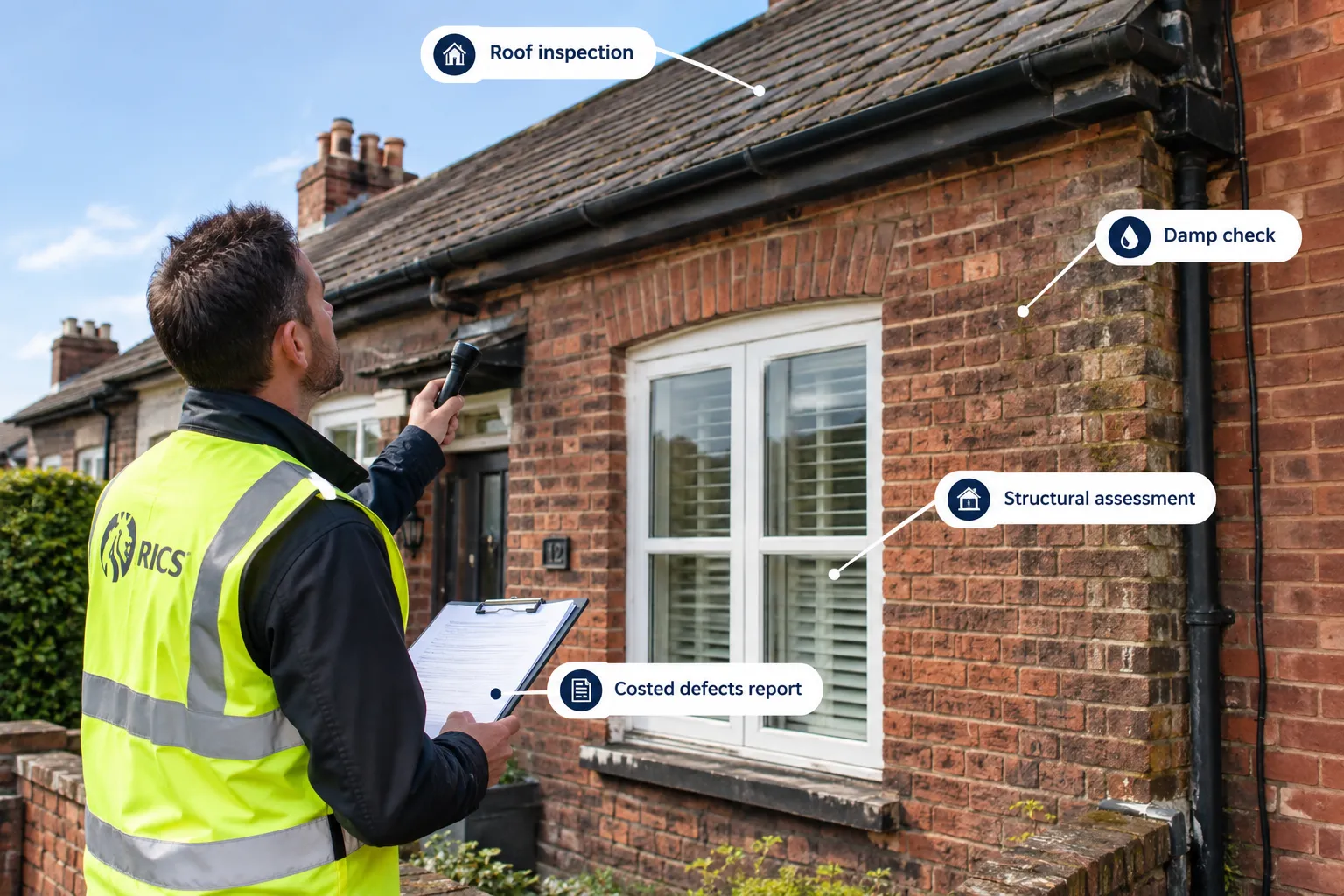
Market conditions alone will not move a seller. What moves a seller is a specific number attached to a specific defect. This is where a RICS Level 2 Home Survey (for conventional homes in reasonable condition) or a Level 3 Building Survey (for older, altered, or visibly troubled properties) becomes decisive.
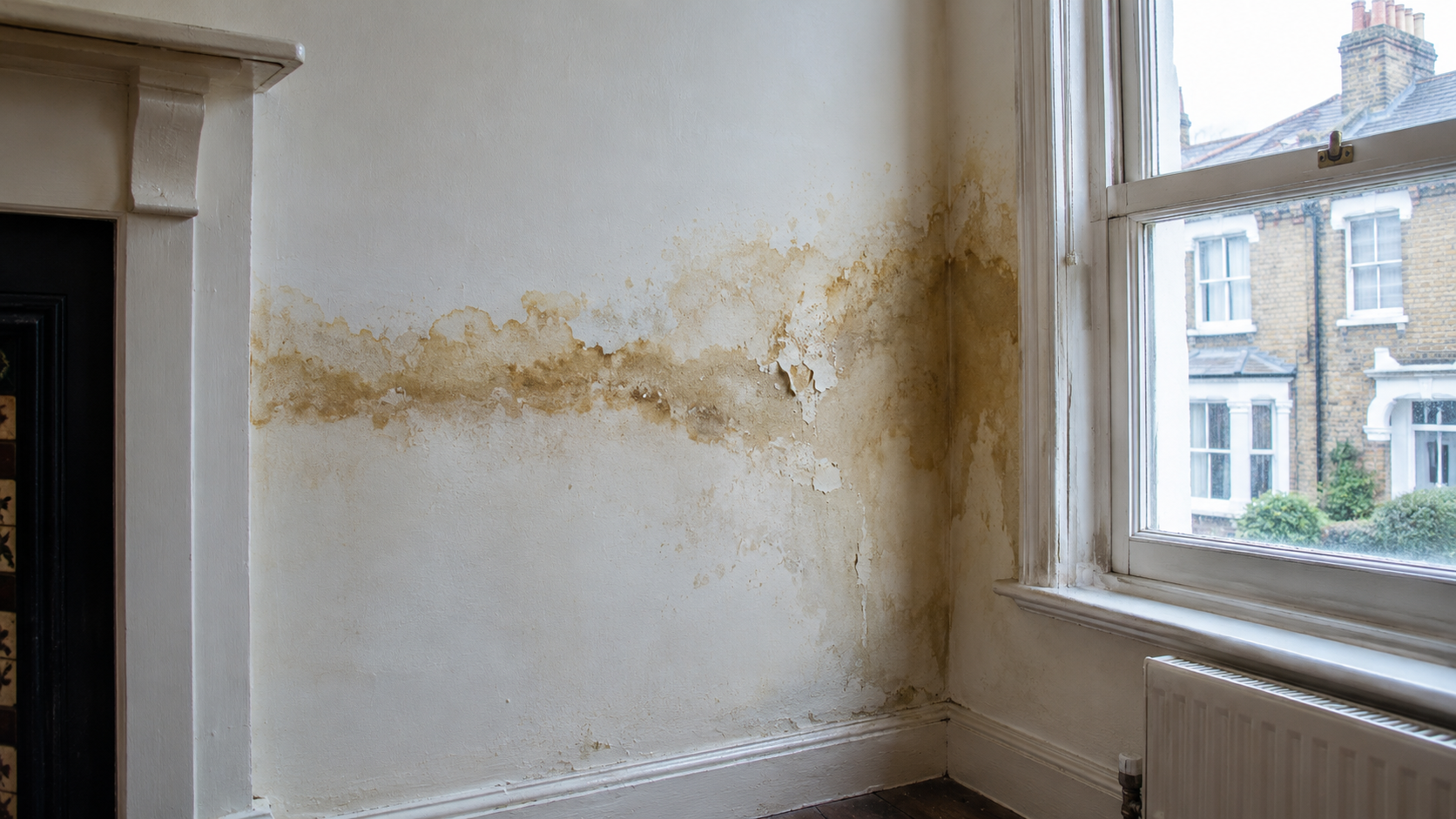
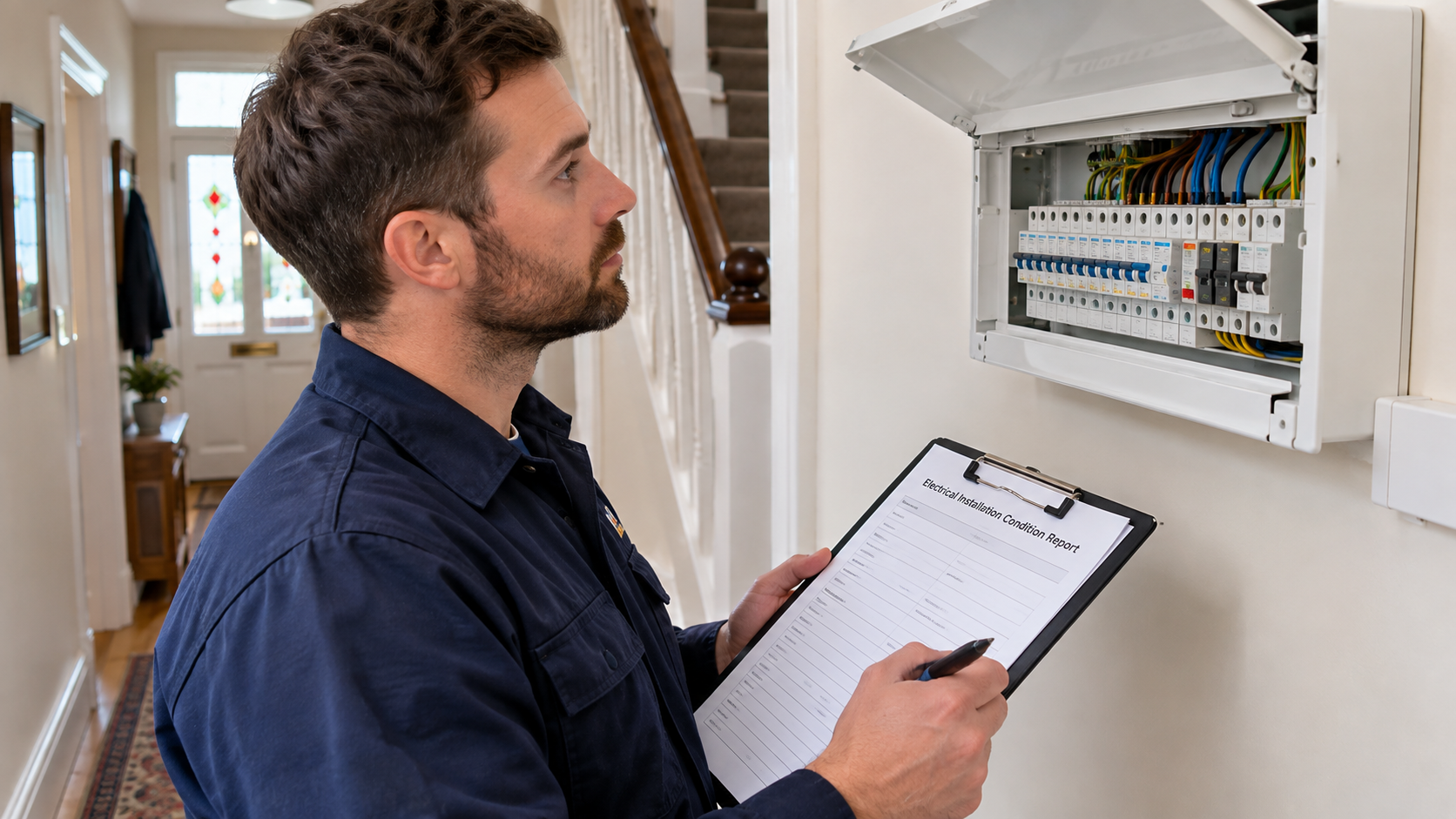
A surveyor's report identifies issues such as damp, roof wear, subsidence indicators, or outdated electrics, and crucially attaches an estimated cost to remedy each one. That costed list becomes the basis of a renegotiation letter: not "we think it needs work" but "repointing and damp treatment will cost an estimated £X, please reduce the price accordingly or retain funds at completion." Agents and sellers respond far better to the latter.
Survey Turnaround and Chain Collapse Risk
In a typical slower month, a Level 2 survey can usually be booked and delivered within one to two weeks, with a Level 3 Building Survey sometimes taking slightly longer given its depth. In a market where transactions are already falling, speed matters: a slow survey booking, or delays passing a report back to solicitors, increases the risk that a nervous seller accepts another offer or that a chain further down collapses before completion. Buyers should book their survey as soon as an offer is accepted, not weeks later.
What Sellers Can Do Now
Sellers are not powerless in a softer market. Three practical steps help protect asking price and reduce the chance of a late renegotiation derailing a sale:
Commission a pre-sale survey to identify and fix obvious defects before marketing begins.
Address cheap, visible issues (guttering, damp staining, loose tiles) that disproportionately spook buyers during a survey.
Price realistically from the outset, reflecting Nationwide's data on slower growth and Zoopla's rising stock levels, rather than testing the market with an optimistic figure.
Renegotiation Checklist for Buyers
Book a RICS Level 2 or Level 3 survey immediately after an offer is accepted.
Request itemised, costed estimates for every defect identified, not just a general condition rating.
Separate cosmetic issues from structural or safety issues when building your case.
Present findings to the agent and seller in writing, with a clear requested reduction or retention figure.
Keep your mortgage offer and solicitor updated in parallel to avoid delays that risk the chain.
What to Watch Before the 28 October 2026 Budget
The Autumn Budget on 28 October 2026 is not expected to change stamp duty, which should offer some short-term stability to transaction planning. Even so, buyers and sellers should watch mortgage rate movements closely, given that major lenders pulled sub-5% deals in the first days of October. Further HMRC releases, Nationwide and Zoopla updates, and any Budget commentary on property taxation or housing policy are all worth monitoring before committing to a completion date either side of 28 October.
Frequently Asked Questions
Did UK property transactions actually fall in August 2026, or is this just a seasonal dip?
Both the raw and seasonally adjusted HMRC figures fell, which suggests a genuine slowdown rather than normal seasonal variation alone.
Does a falling transactions market guarantee a lower price?
No. It shifts negotiating leverage toward buyers generally, but a reduction still needs to be justified with survey evidence or comparable pricing.
Should I still get a survey if the market favours buyers?
Yes. A survey protects against structural risk regardless of market conditions, and it supplies the evidence needed to act on any leverage available.
How long does a RICS survey typically take?
A Level 2 Home Survey is usually arranged and delivered within one to two weeks; a Level 3 Building Survey can take slightly longer given its depth.
Will the October 2026 Budget affect stamp duty?
It is not currently expected to, according to market commentary ahead of the 28 October 2026 Budget.
Conclusion
The HMRC data published on 30 September 2026 confirms a market that is cooling steadily, not briefly. With 96,250 transactions in August, down on both July and the previous year on every measure, and mortgage rates at a three-year high, buyers currently hold more leverage than they have for some time. That leverage only becomes money in the bank when it is backed by a proper RICS survey with costed findings attached. This is not financial advice, and every renegotiation depends on individual circumstances and professional guidance.
Buyers and sellers who want to act on current market conditions can compare quotes from RICS surveyors and expert witnesses on Survey Merchant, and book a Level 2 or Level 3 survey suited to their property today.
Related guides
No items found.
Book a RICS surveyor
Survey Merchant provides vetted RICS surveyors across 100+ UK locations at fixed fees: