We use cookies to improve your experience on our site, analyze site traffic, and assist in our marketing efforts. By clicking "Accept all," you agree to the storing of cookies on your device. You can choose to "Reject all" non-essential cookies. For more information, please read our Cookie Policy.
Right to Manage: Leaseholder's Guide 2026 (New Rules)
A complete 2026 guide to the right to manage (RTM) for leaseholders in England and Wales, including the Leasehold and Freehold Reform Act 2024 changes, claim notices, costs and what the RTM company takes over.
If your block of flats is badly run, with service charges climbing, repairs ignored and emails unanswered, the right to manage (RTM) lets leaseholders take over management of the building from the freeholder without buying the freehold and without having to prove the landlord has done anything wrong. In 2026 it is cheaper and easier to use than ever, thanks to reforms that came into force in March 2025. This guide explains who qualifies, the step-by-step process, timescales, costs and what changes once you are in control.
Key takeaways
The right to manage is a no-fault statutory right under the Commonhold and Leasehold Reform Act 2002. You do not need to prove mismanagement.
Since 3 March 2025, buildings with up to 50% non-residential floor space can qualify (previously 25%), and in an uncontested claim leaseholders generally no longer pay the freeholder’s costs.
Qualifying tenants of at least half the flats must join the RTM company before a claim notice can be served.
A straightforward claim usually takes around four to five months from start to handover.
The freeholder keeps the freehold and ground rent. The RTM company takes on repairs, insurance, service charges and day-to-day management.
Before taking over, commission a condition survey from a suitably qualified, accredited surveyor so you know exactly what you are inheriting.
What is the right to manage?
The right to manage is a legal right allowing qualifying leaseholders of flats in England and Wales to take over the management of their building through a company they control (an RTM company). It does not require proof of landlord failings, involves no payment to the freeholder for the freehold, and transfers responsibility for repairs, insurance and service charges.
RTM was introduced by Part 2, Chapter 1 of the Commonhold and Leasehold Reform Act 2002. It sits alongside the other collective leasehold rights, such as buying the freehold of your flat (collective enfranchisement) and individual lease extensions. The key difference is cost: RTM involves no premium, so it is often the quickest route for leaseholders who simply want better, more transparent management.
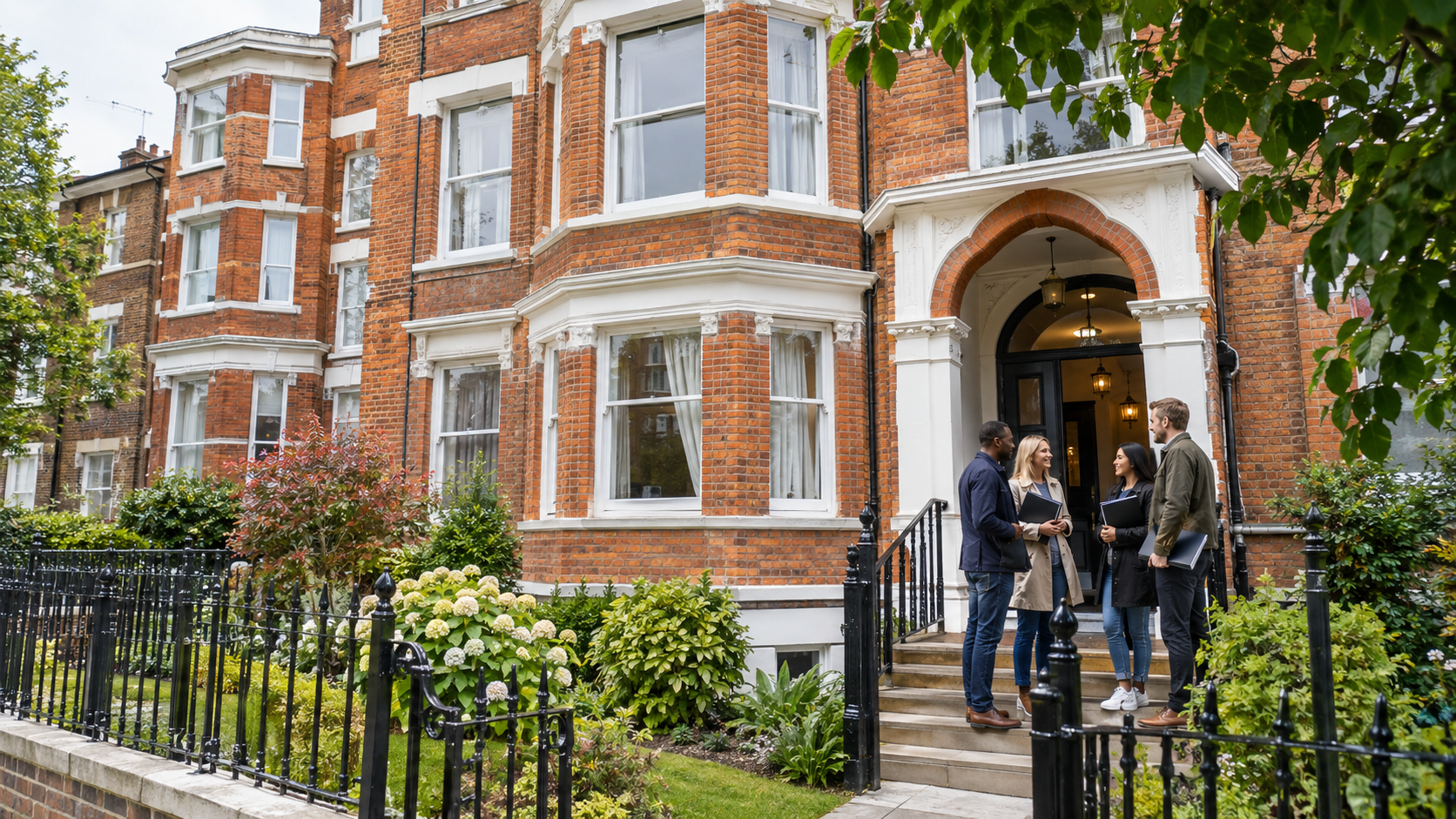
The right to manage lets leaseholders take control of how their block is run, without buying the freehold.
What changed for the right to manage in 2025–2026?
The Leasehold and Freehold Reform Act 2024 made several RTM changes that came into force on 3 March 2025. As the House of Commons Library confirms in its briefing updated in September 2026, these are among the few parts of the 2024 Act already in force:
Wider eligibility: the non-residential limit rose from 25% to 50%, so many mixed-use buildings (flats above shops, for example) now qualify.
No freeholder costs in uncontested claims: the landlord generally can no longer recover its non-litigation costs from the RTM company or leaseholders. A tribunal can still order costs where a claim is withdrawn or the RTM company acts unreasonably.
Landlord voting capped: amended model articles mean a landlord’s votes in the RTM company cannot exceed one third of the votes held by qualifying tenants.
Tribunal first: RTM disputes now start in the First-tier Tribunal (Property Chamber) rather than the courts.
What’s next? The government published a draft Commonhold and Leasehold Reform Bill on 27 January 2026, and the King’s Speech on 13 May 2026 confirmed a final Bill for the 2026–27 session. Ministers have said the Law Commission’s remaining RTM recommendations will need further primary legislation, and the Housing Committee (May 2026) urged the government to enact them. Separately, the government’s July 2026 response on service charge transparency promises standardised demands and annual reports from 2027, measures that will also apply to RTM companies as managers. Keep an eye on our leasehold reform updates for developments.
Does my building qualify for the right to manage?
Your building must meet all of the following tests:
It is a self-contained building, or a self-contained part of a building that is vertically divided and could be run independently (separate services).
It contains at least two flats held by qualifying tenants.
At least two-thirds of the flats are held by qualifying tenants, generally leaseholders with a long lease originally granted for more than 21 years.
No more than 50% of the internal floor area (excluding common parts) is non-residential.
Some buildings are excluded, including certain converted buildings of four units or fewer with a resident landlord, buildings where a local housing authority is the landlord, and buildings already managed under RTM. If you are unsure whether your block is “self-contained” or how to calculate the non-residential proportion, a surveyor can measure the floor areas for you. It is a common point of dispute in counter-notices.
Right to manage vs buying the freehold vs share of freehold
Option
What you get
Cost to leaseholders
Typical timescale
Right to manage
Control of management, repairs, insurance and service charges
Set-up and running costs only; no premium to freeholder
4–5 months (uncontested)
Collective enfranchisement
Ownership of the freehold
Premium to freeholder plus valuation and legal fees
6–12+ months
Individual lease extension
Longer lease on your own flat (no management control)
How does the right to manage process work? Step by step
Check eligibility and gauge interest. Confirm the building qualifies and that qualifying tenants of at least half the flats will take part (in a two-flat building, both must).
Form the RTM company. A private company limited by guarantee, registered at Companies House, using the prescribed RTM model articles. Its name must end with “RTM Company Limited” (or “RTM Limited”).
Serve notices of invitation to participate on every qualifying tenant who is not yet a member. These must be served at least 14 days before the claim notice.
Serve the claim notice on the landlord (and any other party to the leases, plus any appointed manager). It sets a counter-notice deadline of at least one month and a proposed acquisition date at least three months after that deadline.
Landlord responds. The landlord can admit the claim or serve a counter-notice disputing entitlement. If disputed, the RTM company can apply to the First-tier Tribunal within two months.
Prepare for handover. Serve contractor notices, appoint a managing agent (or plan to self-manage), arrange buildings insurance and open a client account.
Acquisition date. Management passes to the RTM company, and the landlord must hand over uncommitted service charge funds and relevant records.
RTM company members plan the claim notice, handover and managing agent appointment together.
Right to manage timeline at a glance
Stage
Minimum time
Company formation and recruiting members
2–6 weeks (varies)
Notice of invitation to participate before claim notice
At least 14 days
Counter-notice deadline after claim notice
At least 1 month
Acquisition date after counter-notice deadline
At least 3 months
Tribunal application if claim disputed
Within 2 months of counter-notice
How much does the right to manage cost?
There is no premium to pay the freeholder, and since March 2025 leaseholders generally no longer cover the landlord’s costs in an uncontested claim. The main costs are:
Company formation: the Companies House incorporation fee.
Notice preparation and service: many specialist RTM providers charge a fixed fee. For example, one provider quotes a base charge of £250 plus £140 per flat plus VAT, split between participating leaseholders.
Disputed claims: representation at the First-tier Tribunal is commonly quoted at around £1,500–£2,500 plus VAT.
Ongoing management: managing agent fees, buildings insurance, accountancy and directors’ and officers’ insurance.
Surveys: a building condition survey, a reinstatement cost assessment for insurance and, later, planned maintenance advice.
Always compare quotes. Poorly drafted notices are the most common reason RTM claims fail, and a failed claim can leave the company exposed to a costs order.
What does an RTM company take over and what stays with the freeholder?
RTM company takes over
Freeholder keeps
Repairs, maintenance and cleaning of common parts
Ownership of the freehold
Setting and collecting service charges
Ground rent
Buildings insurance (where the landlord was responsible)
Right to forfeit leases (via court)
Landlord approvals under the leases, such as consent for alterations (with notice to the landlord)
Reversionary interest and any development rights not in the leases
Appointing managing agents and contractors
Membership of the RTM company if it owns flats
With control comes responsibility. The RTM company must follow the same statutory rules as any landlord, including consultation on major works. Read our Section 20 notice guide before planning roof replacements or external redecorations, and remember that ground rent is still payable to the freeholder.
Why get a building survey before taking over management?
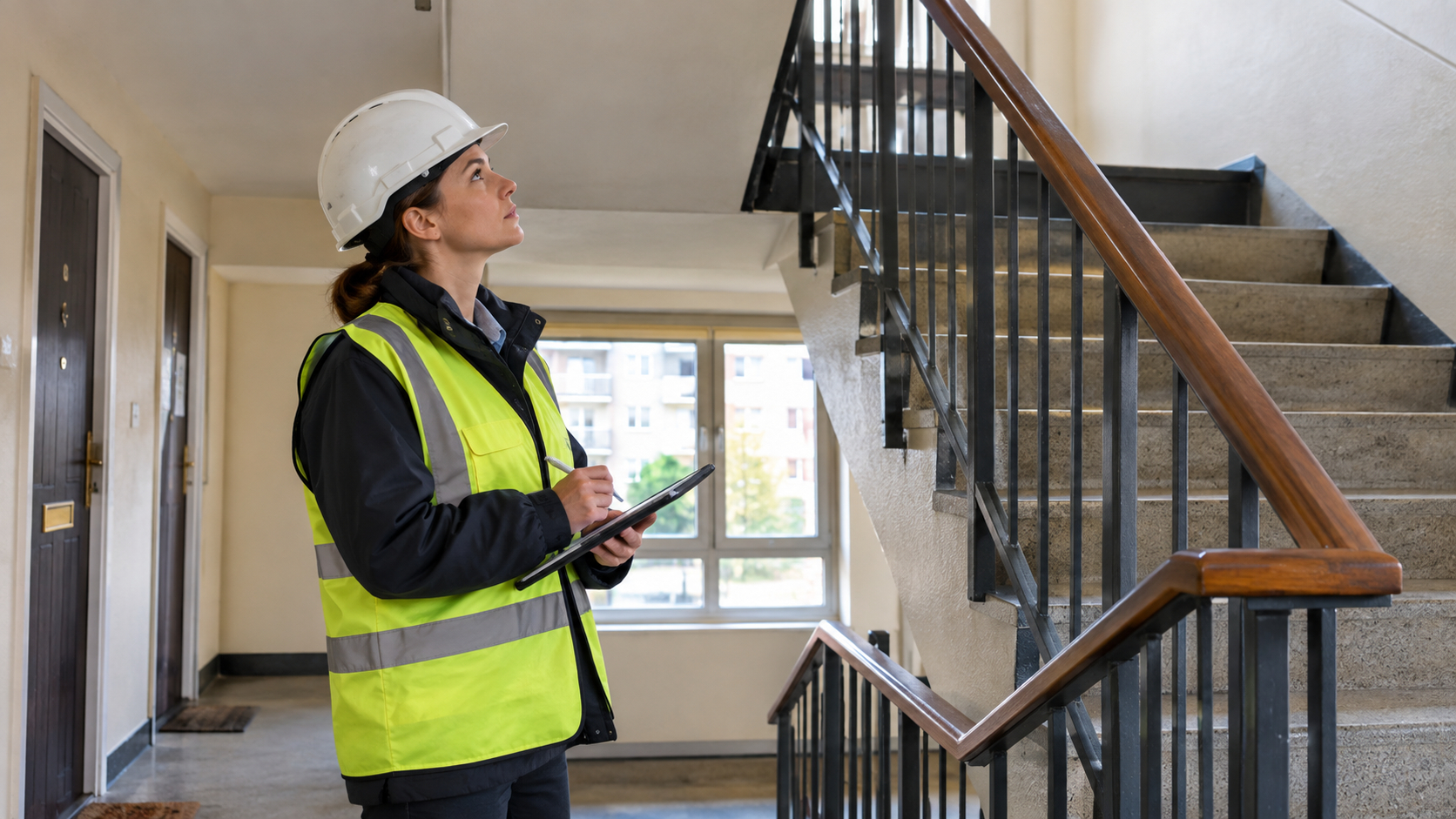
Once management passes to the RTM company, leaseholders become responsible for the building’s condition, including any neglect they inherit. A pre-handover condition survey by a suitably qualified, accredited surveyor (regulated or accredited by recognised bodies such as RICS, CIOB or RPSA) helps you:
Record the building’s condition at handover in a schedule of condition, which is useful evidence if disputes arise with the outgoing landlord.
Prioritise urgent repairs and build a realistic planned maintenance programme and reserve fund.
Set a fair, defensible service charge budget for year one.
Not simply because they object. RTM is a no-fault right, so a landlord can only dispute a claim by serving a counter-notice arguing the RTM company is not entitled, for example because the building does not qualify or the notices are defective. The First-tier Tribunal decides any dispute.
How many leaseholders are needed for right to manage?
Qualifying tenants of at least half of the flats in the building must be members of the RTM company when the claim notice is served. In a building with only two flats, both qualifying tenants must take part. At least two-thirds of the flats must also be held by qualifying tenants.
How long does the right to manage process take?
An uncontested claim usually takes around four to five months. The statutory minimums are a 14-day participation period, at least one month for the landlord's counter-notice and at least three months after that before the acquisition date. A disputed claim that goes to tribunal can take considerably longer.
Do leaseholders pay the freeholder's costs for a right to manage claim?
Since 3 March 2025, generally not. Under the Leasehold and Freehold Reform Act 2024, a landlord cannot recover its non-litigation costs of an uncontested RTM claim from the RTM company or leaseholders. The tribunal can still order costs if a claim is withdrawn or the RTM company acts unreasonably.
Will right to manage reduce my service charges?
Not automatically. The building still needs repairing, insuring and managing, but leaseholders control the budget, choose the managing agent and can tender contracts competitively, which often improves value and transparency. A condition survey and planned maintenance programme help set realistic, fair charges.
Is right to manage the same as buying the freehold?
No. Right to manage transfers management functions only; the freeholder keeps ownership and ground rent, and no premium is paid. Collective enfranchisement buys the freehold itself, which costs more but gives full ownership and control. Many leaseholders use RTM first and consider enfranchisement later.