We use cookies to improve your experience on our site, analyze site traffic, and assist in our marketing efforts. By clicking "Accept all," you agree to the storing of cookies on your device. You can choose to "Reject all" non-essential cookies. For more information, please read our Cookie Policy.
Online Mortgage Calculators Are Misleading Buyers, Brokers Warn: How to Budget Properly for a Purchase and Survey in October 2026
Brokers warn (6 October 2026) that online mortgage calculators misjudge borrowing for complex incomes. How to budget for deposit, SDLT, legal fees, a RICS survey and contingency.
Mortgage brokers across the UK are warning that the free online mortgage calculators many buyers rely on can produce borrowing estimates that bear little resemblance to what a lender will actually offer. That gap sits at the heart of a debate reported on 6 October 2026, and it matters for anyone trying to budget a purchase this autumn.
According to PropertyWire on 6 October 2026, brokers say free online mortgage calculators are giving unreliable borrowing estimates to anyone whose finances are not completely straightforward. For buyers with bonuses, overtime, commission, self-employed income, childcare costs or car finance, the numbers these tools produce can be badly off, usually underestimating what a buyer could actually borrow. With mortgage costs at a two-year high and lenders tightening their best deals, getting the budget wrong before a purchase can be costly in more ways than one.
Key Takeaways
Online calculators work reasonably well for simple PAYE income but struggle with bonuses, overtime, commission, self-employed earnings and childcare or car finance costs.
Each lender applies different rules on what counts as "allowable income," so the same financial profile can produce very different borrowing limits.
Some lenders now lend more than 4.5 times salary, meaning calculators often underestimate, not overestimate, true borrowing power.
A realistic budget must include deposit, Stamp Duty Land Tax (SDLT), legal fees, a mortgage valuation, and a proper RICS survey, not just a monthly repayment figure.
A RICS Level 2 or Level 3 survey report can become a negotiating tool, helping protect a budget that is already stretched by rising mortgage costs.
Why Online Mortgage Calculators Are Making Headlines in October 2026
Richard Davidson of onlinemortgageadvisor.co.uk puts it plainly: "For straightforward cases, online calculators do a reasonable job... they fall down with self-employed income, bonuses, overtime or childcare costs and car finance." That distinction matters because many UK households no longer fit the "simple salary" mould the calculators were built for.
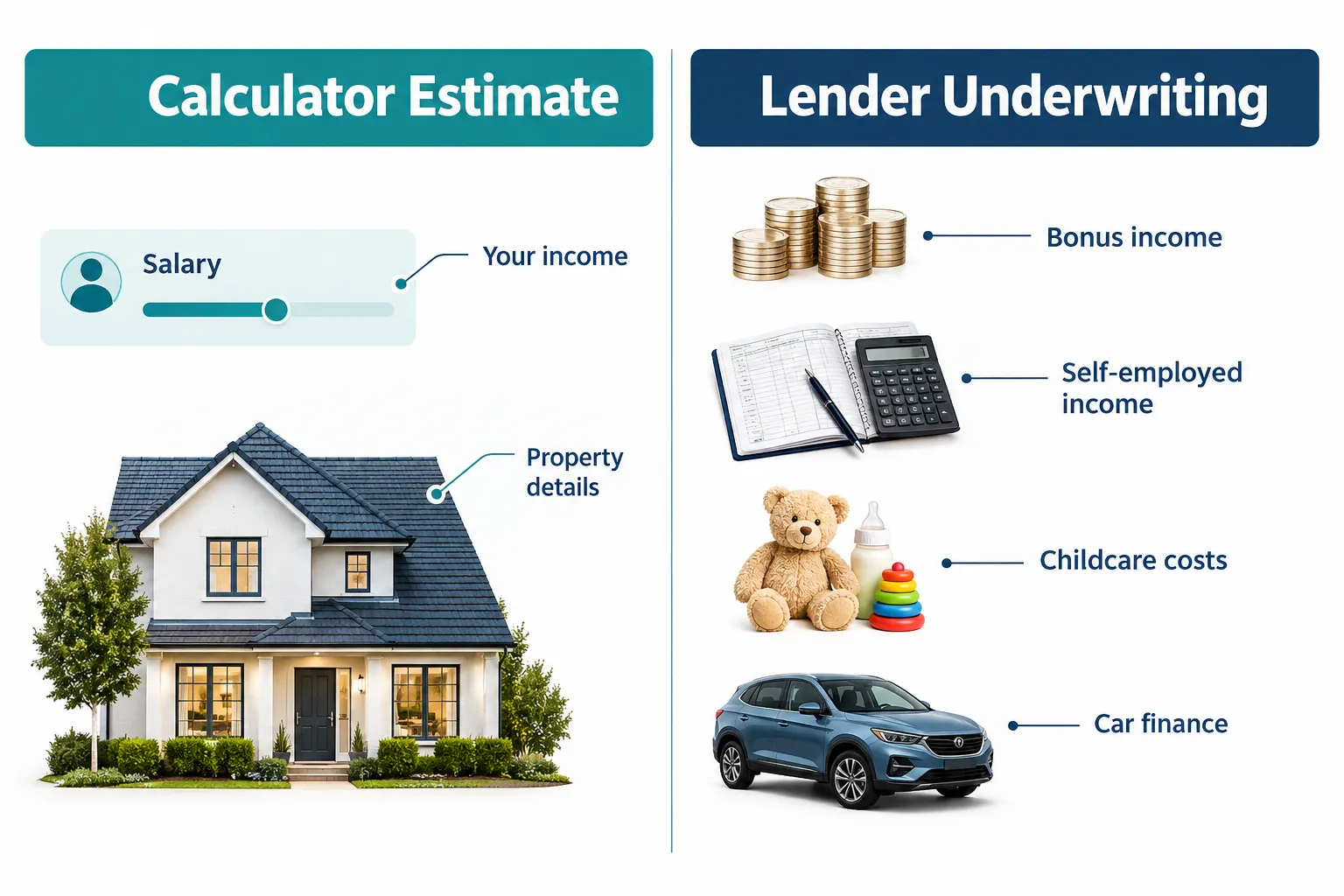
Calculator estimates rarely capture the income rules each lender applies.
Davidson also flags something counterintuitive: calculators often underestimate what buyers can borrow, not overestimate it. Some lenders now lend more than 4.5 times salary, a threshold most generic tools do not account for. That means a buyer who walks away from a calculator discouraged might actually qualify for more, while another who feels confident might be heading for disappointment. The real risk depends entirely on how their specific income is treated.
What Brokers Say Calculators Get Wrong
Craig Fish of Lodestone Mortgages points to a root cause: "Part of the problem is people entering figures without knowing rules on allowable income, which vary from lender to lender." Bonuses, commission, overtime and self-employed income are not treated equally across the mortgage market: one lender might count all of a bonus, another only part of it, and a third might exclude it entirely.
Ranald Mitchell of Charwin Mortgages warns that calculators should not "create false hope and leave the broker to deliver bad news later." Doug Miller of Lansdown Financial Services echoes this, saying he regularly meets clients whose calculator estimate bears little resemblance to what they can actually borrow once a full affordability assessment is done.
In short, the main gaps brokers identify are:
Complex income streams not being captured accurately (bonuses, overtime, commission, self-employment).
Lender-specific rules on allowable income being ignored by generic tools.
Outgoings and credit commitments, such as car finance or existing loans, poorly assessed.
Dependants and childcare costs rarely factored into affordability in a meaningful way.
Non-standard cases generally underestimated rather than overestimated.
The October 2026 Mortgage Market Context
Timing makes this issue sharper. The Negotiator reported on 2 October 2026 that major lenders have withdrawn sub-5% mortgage deals, pushing borrowing costs to a two-year high. At the same time, Lloyds data shows the house price-to-earnings ratio sitting at its lowest level since 2015: properties are, relatively speaking, more affordable against income, even as monthly repayments bite harder.
This combination means buyers cannot rely on either a calculator's estimate or last year's market assumptions. A budget built in October 2026 needs to reflect current lending costs and a buyer's actual, documented income, not a generic online guess.
Building a Realistic Purchase Budget Beyond the Calculator
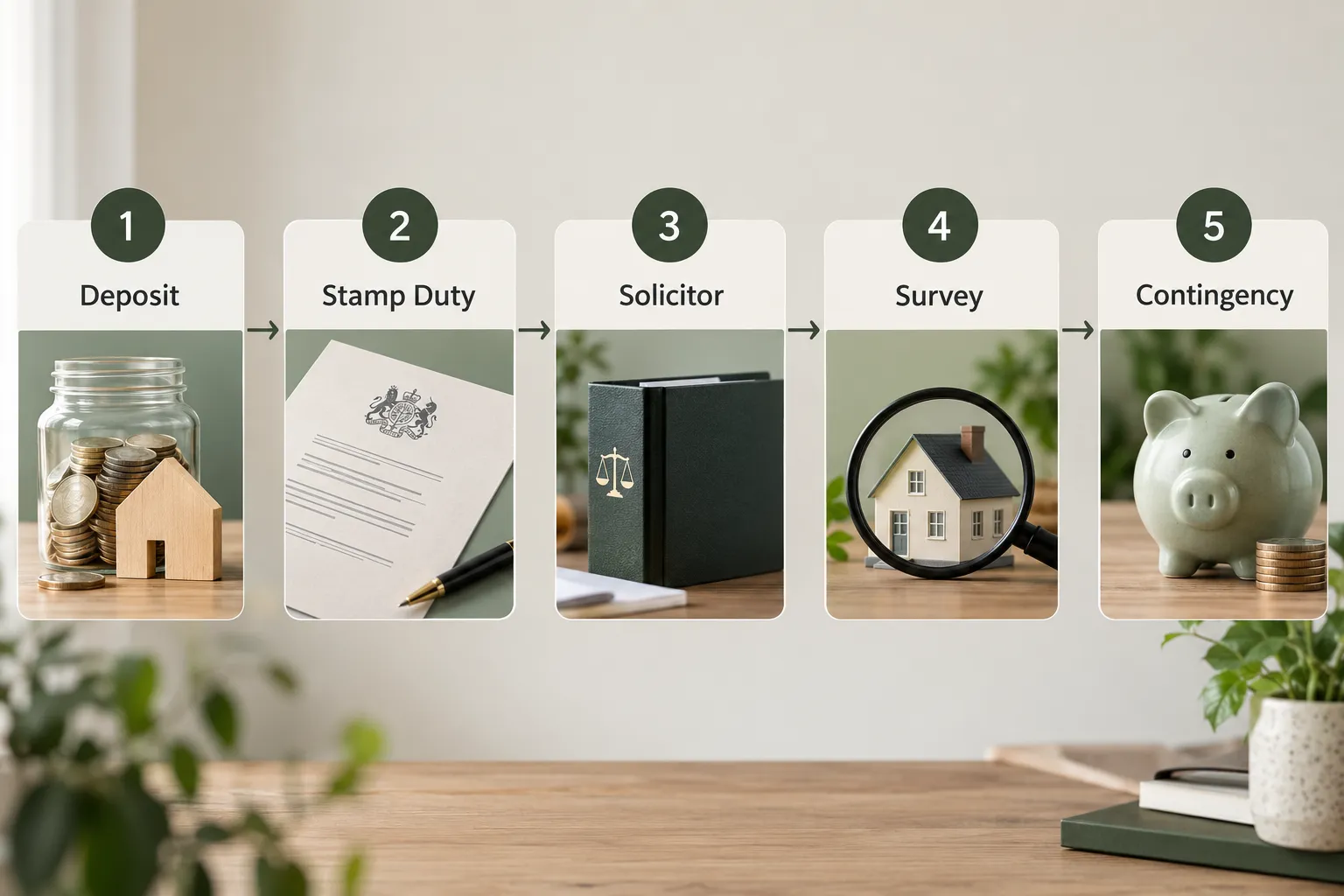
A trustworthy budget goes well beyond a single borrowing figure. The table below outlines the core cost categories every buyer should plan for.
A realistic purchase budget covers far more than the mortgage repayment.
Budget Item
What It Covers
Why It's Often Missed
Deposit
Cash contribution toward purchase price
Buyers focus on mortgage size, not total price
Stamp Duty Land Tax (SDLT)
Government tax on property purchase
Varies by price band and buyer status
Legal fees
Conveyancing solicitor costs
Often quoted separately, easy to underestimate
Mortgage valuation
Lender's basic check for loan security
Confused with a full property survey
RICS survey
Independent condition assessment
Seen as optional, actually essential
Contingency fund
Buffer for defects or repairs found
Rarely budgeted at all
Mortgage Valuation vs RICS Survey: Closing the Gap Calculators Leave Open
One of the biggest confusions buyers carry into a purchase is mixing up a mortgage valuation with a proper survey. A mortgage valuation only confirms the property is worth enough to secure the loan. It does not check for damp, subsidence, roof condition or electrical issues.
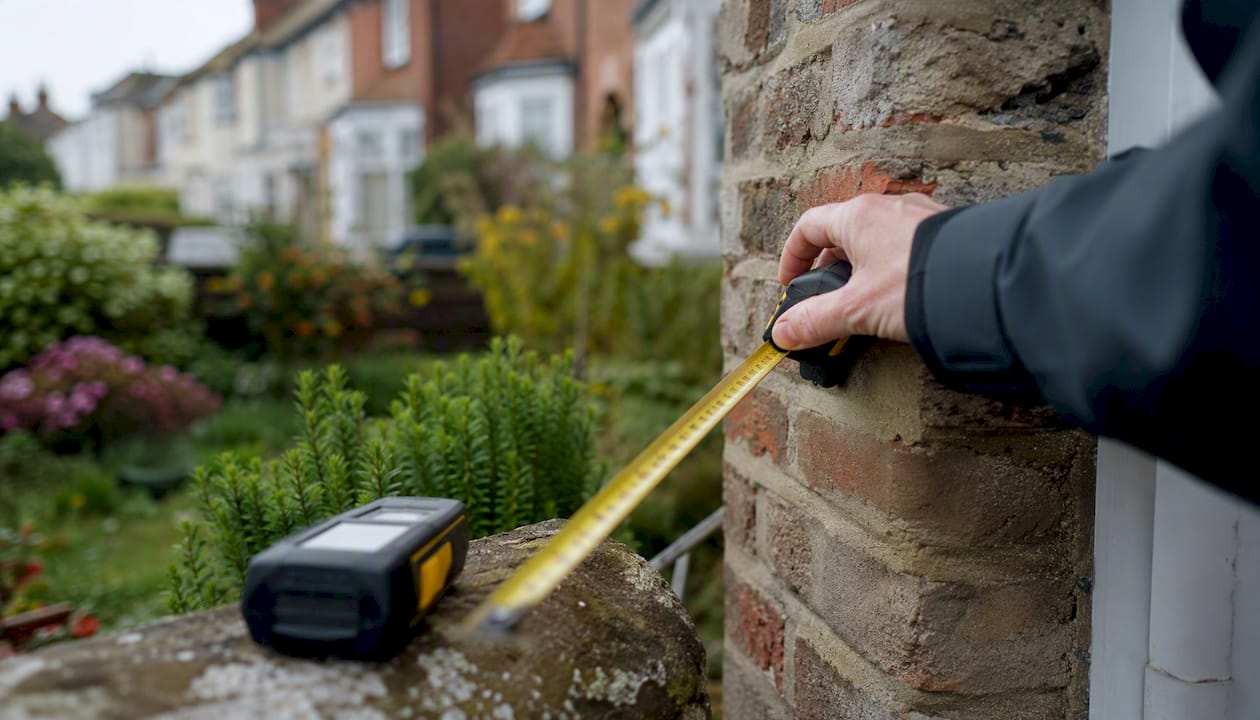
A RICS Level 2 survey (HomeBuyer Report) or Level 3 survey (Building Survey) goes much further, inspecting the structure and flagging defects that could cost thousands to fix. Given that mortgage costs are already at a two-year high, discovering hidden repair costs after completion is the last thing a stretched budget needs.
A survey report is not just a safety check; it is a negotiating tool. Buyers who find genuine defects can use the findings to renegotiate the price or request repairs before exchange. If a calculator already underestimated borrowing power, or a lender's allowable income rules reduced the loan size, a survey-backed renegotiation can recover some of that lost flexibility.
Step-by-Step Checklist for Budgeting a Purchase and Survey
Get a full affordability assessment from a broker, not just an online calculator, especially with bonuses, overtime or self-employed income.
Confirm allowable income rules with the specific lender being considered, since these vary widely.
Calculate total upfront costs: deposit, SDLT, legal fees and survey fees together, not just the deposit alone.
Book a RICS Level 2 or Level 3 survey before exchange, matched to the property's age and condition.
Build a contingency fund for defects a survey may uncover.
Use survey findings to renegotiate price or repairs if significant issues are found.
Reassess monthly affordability against current mortgage costs, not last year's rates.
Frequently Asked Questions
Are online mortgage calculators completely useless?
No. Brokers say they work reasonably well for simple, single-income PAYE cases. The problems arise with complex or non-standard income.
Why do calculators usually underestimate borrowing power?
Because some lenders now offer more than 4.5 times salary and apply flexible rules on bonuses or self-employed income that generic calculators do not model.
What is the difference between a mortgage valuation and a survey?
A valuation only checks the property is worth the loan amount. A RICS survey checks the physical condition and structure of the property.
Can a survey really help renegotiate a purchase price?
Yes. Documented defects found in a RICS report give buyers evidence to request a price reduction or repairs before completion.
How much contingency should buyers budget for survey findings?
There is no fixed figure. A dedicated buffer, separate from the deposit and sized to the property's age and condition, is sensible.
Conclusion
The warning from brokers is timely: a free tool's estimate is a starting point, not a budget. With lenders withdrawing sub-5% deals and mortgage costs at a two-year high, buyers need a broker-verified affordability figure, a full accounting of deposit, SDLT, legal fees and survey costs, and a genuine RICS Level 2 or Level 3 survey before exchange. Treat the survey not as an extra expense but as the tool that protects an already stretched budget from costly surprises. Buyers who follow this checklist enter negotiations informed, not hopeful.
Related guides
No items found.
Book a RICS surveyor
Survey Merchant provides vetted RICS surveyors across 100+ UK locations at fixed fees: