Last updated: 10 November 2026
A £4.7bn government lending pot does not guarantee a good purchase. It guarantees access to cheaper borrowing, the quality of the house still depends on the builder, and nobody checks that for you automatically.
Quick Answer
Your First Home is a new government equity loan scheme for first-time buyers of new-build homes in England, announced in the Autumn Budget on 28 October 2026. Pre-registration opens in December 2026, full applications start in February 2027, and the first equity loans complete from April 2027. Buyers put down a deposit of 2.5% to 15%, the government lends up to 20% interest-free for five years, and household income is capped at £110,000 outside London or £140,000 in London. For anyone planning a purchase around the December 2026 pre-registration window, an independent snagging survey before completion is just as important as securing the loan itself.
Key Takeaways
- Your First Home opens pre-registration in December 2026, with full applications from February 2027 and first completions from April 2027.
- The equity loan covers up to 20% of the purchase price across England; there is no enhanced 40% London tier like Help to Buy had.
- The loan is interest-free for five years, then charges 1.5% in year six, rising to 3% from year seven.
- Household income caps are £110,000 outside London and £140,000 in London.
- Price caps are tied to local authority median house prices, with outer London capped at £500,000 and inner London at £650,000.
- £4.7bn of government-backed lending is earmarked to help around 70,000 households and support roughly 20,000 new homes.
- Homes England runs the scheme at launch; the National Housing Bank takes over later, and funding is reviewed in autumn 2027.
- A pre-completion survey and snagging inspection matter more under an equity loan, because any resale later shares value gains and losses with the government.
What Is the Your First Home Scheme and How Does the Equity Loan Work
Your First Home is a shared-equity scheme where the government lends first-time buyers up to 20% of a new-build home's price, interest-free for the first five years. Buyers still need a mortgage and deposit for the rest.
Here's how the structure works in practice:
- Buyer contributes a deposit of 2.5% to 15% of the purchase price.
- Government provides an equity loan of up to 20%.
- Buyer takes a repayment mortgage for the remaining balance.
- No interest is charged on the equity loan for years one to five.
- Interest starts at 1.5% in year six, then rises to 3% from year seven onward.
Because it's an equity loan rather than a fixed-sum loan, the amount owed when the buyer sells or remortgages is a percentage of the home's value at that point, not the original cash figure borrowed. If the home rises in value, the government's 20% share rises too. If it falls, the share falls. This is the same qualitative mechanic that shaped Help to Buy, and it's the single most important thing to understand before pre-registering.
Do I Qualify? Your First Home Eligibility Requirements
Eligibility centres on three things: first-time buyer status, household income, and the property itself. Miss any one of these and pre-registration won't convert into an approved application.
Core requirements include:
- Must be a genuine first-time buyer (no previous home ownership anywhere).
- Household income must sit at or below £110,000 outside London, or £140,000 inside London.
- Property must be a new build in England, priced within the local authority's price cap.
- Buyer needs a deposit of at least 2.5% of the purchase price.
Decision rule: choose Your First Home if your household income sits comfortably under the cap and you're buying a qualifying new build within the local price limit. If your income is close to the ceiling, get a mortgage broker to stress-test affordability before pre-registering, since lenders apply their own criteria on top of the scheme rules.
How Much Can You Borrow With the 20% Equity Loan
The equity loan covers up to 20% of the purchase price anywhere in England, with no higher tier for London. This is a notable change from Help to Buy, which once allowed a 40% loan in London.
For example, on a £300,000 new build:
- 20% equity loan = £60,000
- Minimum deposit (2.5%) = £7,500
- Remaining mortgage needed = £232,500
Price caps limit how far this stretches in expensive areas. Outer London properties are capped at £500,000 and inner London at £650,000. Buyers targeting properties near these caps should confirm the local authority's specific threshold before pre-registering, since caps are set by local authority, not as one flat national figure.
How Long Does the Your First Home Application Take
Based on the published timeline, pre-registration in December 2026 is an expression of interest, not an approval. Full applications open in February 2027, and the first equity loans are expected to complete from April 2027.
| Stage |
Timing |
| Pre-registration opens |
December 2026 |
| Full applications open |
February 2027 |
| First equity loans complete |
April 2027 |
| Scheme funding review |
Autumn 2027 |
Common mistake: assuming pre-registration secures a property or a discount. It doesn't. It simply places a buyer in the queue for the full application process once it opens. Buyers who exchange contracts on a new build before February 2027 may find the scheme isn't ready in time to support their specific purchase.
Your First Home vs Help to Buy: What's the Difference
Your First Home replaces Help to Buy's basic structure but changes two things: there's no enhanced London loan percentage, and the interest-free period and subsequent rates differ.
Key contrasts:
- Help to Buy offered up to 40% equity loans in London; Your First Home caps everywhere at 20%.
- Both schemes are interest-free initially, but repayment terms and fee structures differ between the two.
- Your First Home introduces explicit household income caps (£110,000/£140,000) built into eligibility from the outset.
- Developer participation under Your First Home involves a sliding-scale fee, designed to protect smaller housebuilders, a mechanism Help to Buy didn't have in the same form.
Anyone who bought under Help to Buy and is now selling should expect the same core lesson to apply to Your First Home buyers later: the amount owed back is a share of value, not a frozen cash figure, so market movements in either direction affect what's left over.
Can You Use Your First Home on Any New Build Property
No. The scheme only applies to new-build homes in England that fall within the local authority's price cap, and the developer must be registered to participate in the scheme.
Things to confirm before committing to a plot:
- Confirm the developer has signed up to Your First Home (participation isn't automatic for every builder).
- Check the specific local authority price cap, not a national average.
- Verify the property is genuinely new build, not a part-exchange or near-new resale.
Edge case: some smaller developers may choose not to join initially because of the sliding-scale participation fee, even if their homes would otherwise qualify. Always ask the sales office directly whether the scheme is confirmed for that specific development.
What Happens When You Repay the Equity Loan
Repaying the equity loan means paying back the same percentage of the home's current market value, not the original amount borrowed. This can be done in part or in full, at any time, or triggered automatically on sale.
Practical implications:
- If the home's value rises, the pound amount owed on the 20% share rises too.
- If the home's value falls, the amount owed falls, but the buyer may still owe more than expected relative to their own equity if they bought at a market peak.
- Interest charges (1.5% from year six, 3% from year seven) apply on top of the share owed.
- A RICS valuation is typically required to confirm market value at the point of repayment.
Quick example: a buyer takes a £60,000 equity loan (20%) on a £300,000 home. Five years later the home is valued at £330,000. The 20% share is now worth £66,000, not £60,000, plus any interest accrued from year six onward if repayment happens later than that.
Do Joint Buyers Both Need to Be First-Time Buyers
Yes. For joint applications, every named buyer on the mortgage and equity loan agreement must meet first-time buyer status individually.
If one partner has owned a home before, anywhere in the world, the household typically cannot use Your First Home as a joint application. Combined household income for the £110,000/£140,000 cap includes both applicants' earnings, not just one.
Income Limits and Affordability Requirements
Household income caps are £110,000 outside London and £140,000 in London, and these sit alongside standard mortgage affordability checks from the lender.
Affordability factors to weigh:
- The income cap is a scheme eligibility rule, not a guarantee a lender will approve the mortgage portion.
- Current market context matters: Bank Rate rose to 4% on 5 November 2026, and Moneyfacts reported the average new mortgage rate at 5.89% in early November 2026, a three-year high.
- Higher rates mean the mortgage portion (typically 65% to 77.5% of the price) costs more monthly than it would have a year earlier, even with the equity loan reducing the amount borrowed.
Choose Your First Home if: household income is well under the cap, the mortgage portion is comfortably affordable at current rates, and the new build is within the local price cap. If affordability is tight even with the 20% loan reducing the mortgage size, a broker review before pre-registering is worth the time.
Common Mistakes to Avoid With a Your First Home Application
The biggest mistake is treating pre-registration as a booking. It isn't; it's an expression of interest that doesn't guarantee a loan, a property, or a timeline match with a developer's completion date.
Other frequent errors:
- Assuming every new build qualifies, without checking the developer has joined the scheme.
- Ignoring the local authority price cap and assuming a national figure applies everywhere.
- Ignoring Lifetime ISA changes: the withdrawal charge was cut from 25% to 20% from 29 October 2026 for first homes above £450,000, which affects savers using a LISA deposit alongside this scheme.
- Skipping an independent snagging survey before legal completion, assuming the developer's own sign-off is sufficient.
- Forgetting stamp duty still applies above the first-time buyer relief thresholds (0% to £300,000, 5% from £300,001 to £500,000, no relief above £500,000).
Is Your First Home Better Than Shared Ownership
It depends on what the buyer values more: full ownership status or lower monthly outgoings. Your First Home gives 100% legal ownership from day one with a smaller loan to repay later. Shared ownership means buying a percentage and paying rent on the rest.
- Choose Your First Home if affording a full mortgage on the balance is realistic and the buyer wants full ownership immediately.
- Choose shared ownership if monthly affordability is tighter and a smaller initial purchase share with rent makes more sense.
Neither is universally "better"; it's a function of income, deposit size, and local new-build availability.
Can Renters With No Savings Apply
No. A deposit of at least 2.5% of the purchase price is required, so renters with zero savings cannot use the scheme as-is. They need to build at least a minimal deposit first.
Savings routes worth considering include the Lifetime ISA (now with a reduced 20% withdrawal charge for first homes above £450,000 from 29 October 2026) and the new First Time Buyer ISA, which replaces the LISA for new savers from April 2029, offering £4,000 a year with a 25% bonus capped at £20,000 for homes up to £450,000.
Why a Pre-Completion Survey Matters More With an Equity Loan
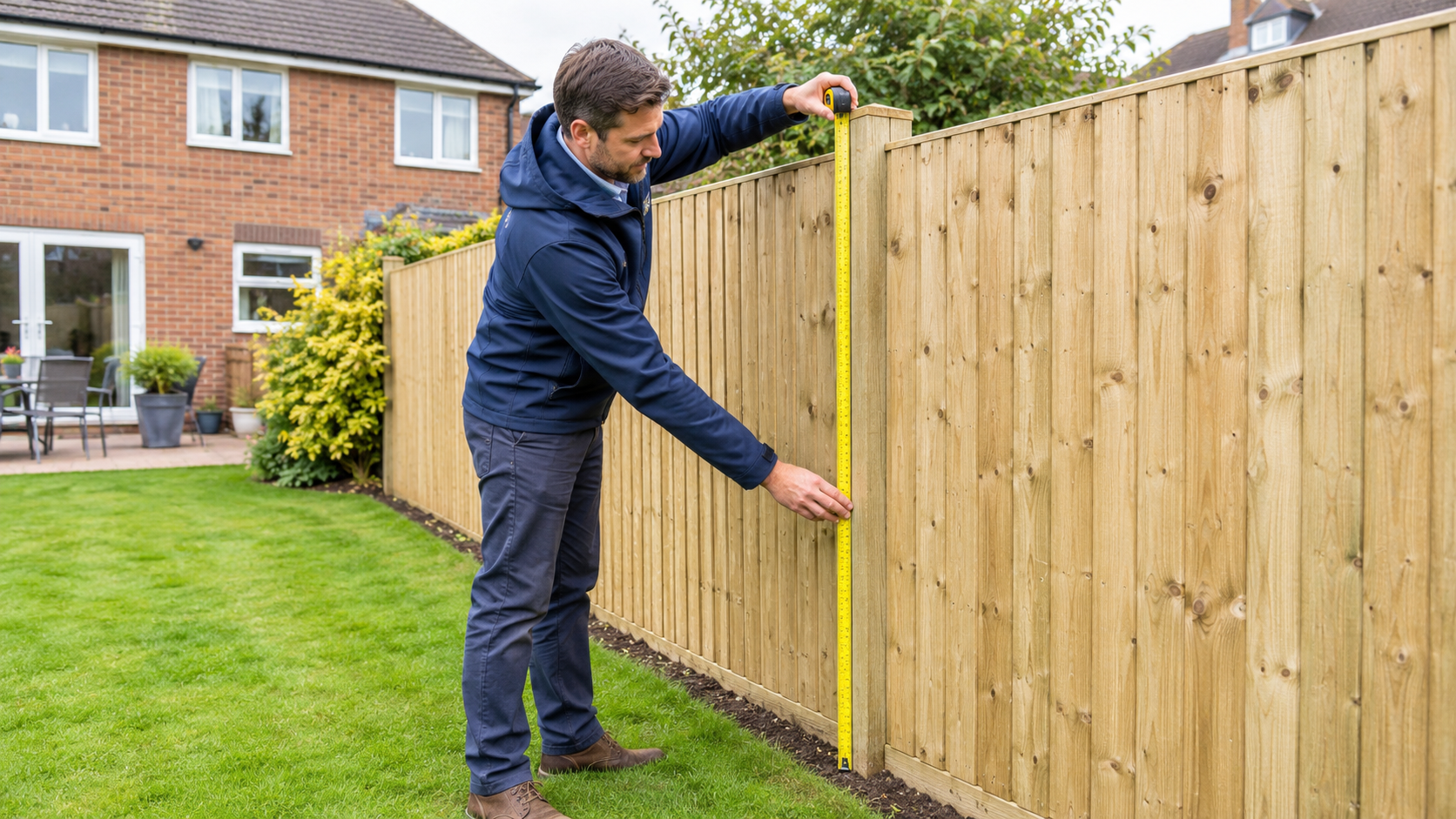
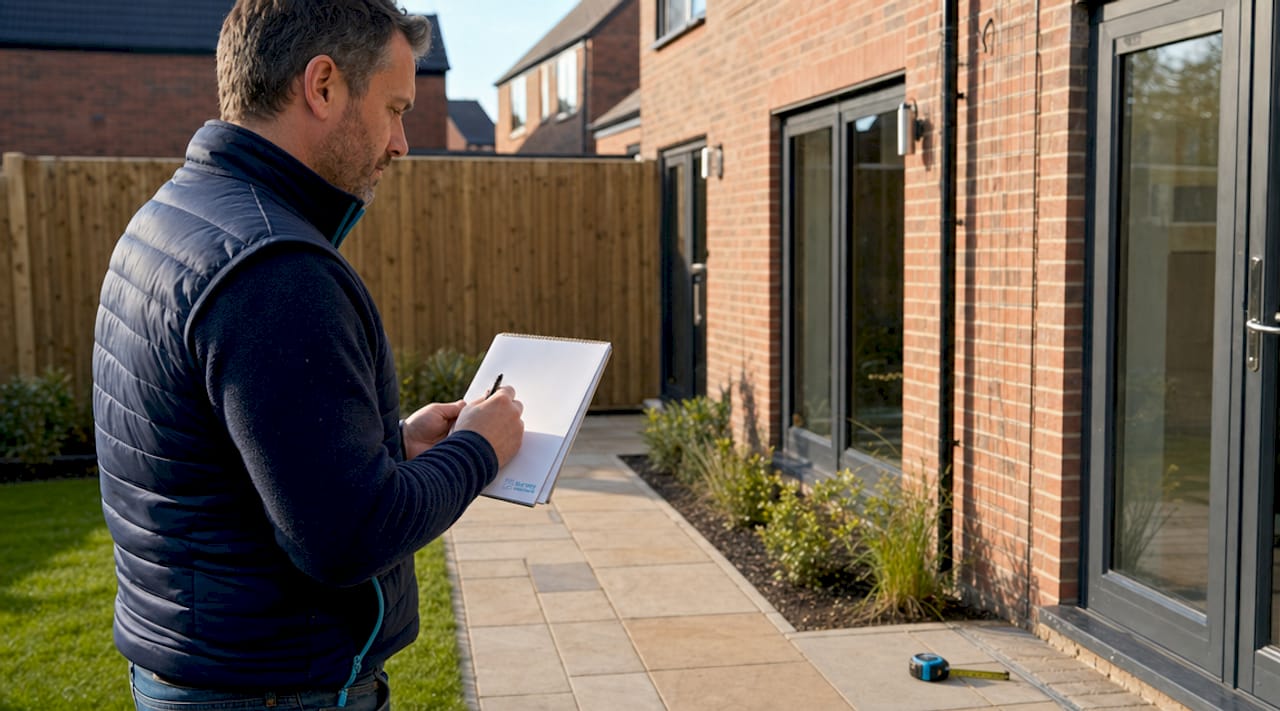
Because the government's 20% share rises or falls with the home's value, defects that reduce future resale value hit both the buyer and the taxpayer-backed loan. A snagging survey before legal completion catches problems while the developer is still contractually obliged to fix them.
An independent new-build inspection from a RICS surveyor typically checks:
- General workmanship, finishes, fittings, and build quality against the developer's specification.
- Drainage and plumbing connections, often rushed on tight build schedules.
- Insulation and energy performance, relevant to running costs and future resale.
- Cladding or external wall systems where relevant, particularly on flats.
- Whether NHBC or an equivalent new-build warranty is properly in place and what it covers.
Questions worth asking the developer directly: Is this plot confirmed as Your First Home eligible? What is included in the NHBC or warranty cover? What is the realistic legal completion date? Is there a retention or snagging-list process before final payment?
A Short Pre-Purchase Checklist
- Confirm developer participation in Your First Home before reserving a plot.
- Check the local authority price cap against the asking price.
- Confirm household income against the £110,000/£140,000 cap.
- Book an independent snagging survey before legal completion.
- Review warranty documents (NHBC or equivalent) before exchange.
- Speak to a mortgage broker about affordability at current rates.
FAQ
When does pre-registration for Your First Home open?
Pre-registration opens in December 2026, with full applications following from February 2027 and the first equity loans completing from April 2027.
What is the maximum equity loan under Your First Home?
Up to 20% of the purchase price, anywhere in England. There is no higher London-specific tier.
Is the equity loan interest-free?
Yes, for the first five years. Interest then applies at 1.5% in year six and rises to 3% from year seven onward.
What are the income caps for Your First Home?
£110,000 outside London and £140,000 in London, based on combined household income for joint applicants.
Does Your First Home work with a Lifetime ISA?
Yes, deposits saved in a LISA can be used. The withdrawal charge for first homes above £450,000 was cut from 25% to 20% from 29 October 2026.
Should buyers get a survey on a new build if there's an NHBC warranty?
Yes. A warranty covers specific defects over time but doesn't replace a pre-completion inspection that can get snagging issues fixed before the buyer takes legal ownership.
Conclusion
Your First Home opens a genuine route into ownership for buyers priced out by current mortgage rates, with pre-registration starting in December 2026 and the first loans completing from April 2027. The structure rewards buyers who check eligibility carefully: confirm the developer has joined the scheme, verify the local price cap, and stress-test affordability against today's 5.89% average mortgage rate before committing.
Next steps: start pre-registration as soon as it opens in December 2026, speak to a mortgage broker about affordability under the income caps, and book an independent RICS snagging survey before legal completion on any new build. The equity loan reduces the mortgage needed; it does not reduce the need to check the home itself is built properly. This article is not financial advice.