We use cookies to improve your experience on our site, analyze site traffic, and assist in our marketing efforts. By clicking "Accept all," you agree to the storing of cookies on your device. You can choose to "Reject all" non-essential cookies. For more information, please read our Cookie Policy.
UK House Prices September 2026: RICS Survey and Rightmove Data
September 2026 UK residential market update covering RICS balance -28, Rightmove asking prices, Halifax v Nationwide, London's weaker outlook, and what it means for Level 2 and Level 3 surveys.
Nearly one in three homes for sale in Britain right now carries a price tag that has already been cut once this summer, and by an average of 7 percent. That single fact says more about the mood of the UK property market than any headline growth figure. As buyers, sellers and chartered surveyors take stock this September, the data on UK house prices September 2026 RICS survey Rightmove asking prices tells a consistent story: a market that is still soft, still adjusting, but showing early signs of settling rather than spiralling.
This article breaks down what the latest RICS residential survey, Rightmove's asking price data, and the Halifax and Nationwide house price indices actually mean for anyone buying, selling or commissioning a RICS Level 2 HomeBuyer Survey or Level 3 Building Survey this autumn.
Key Takeaways
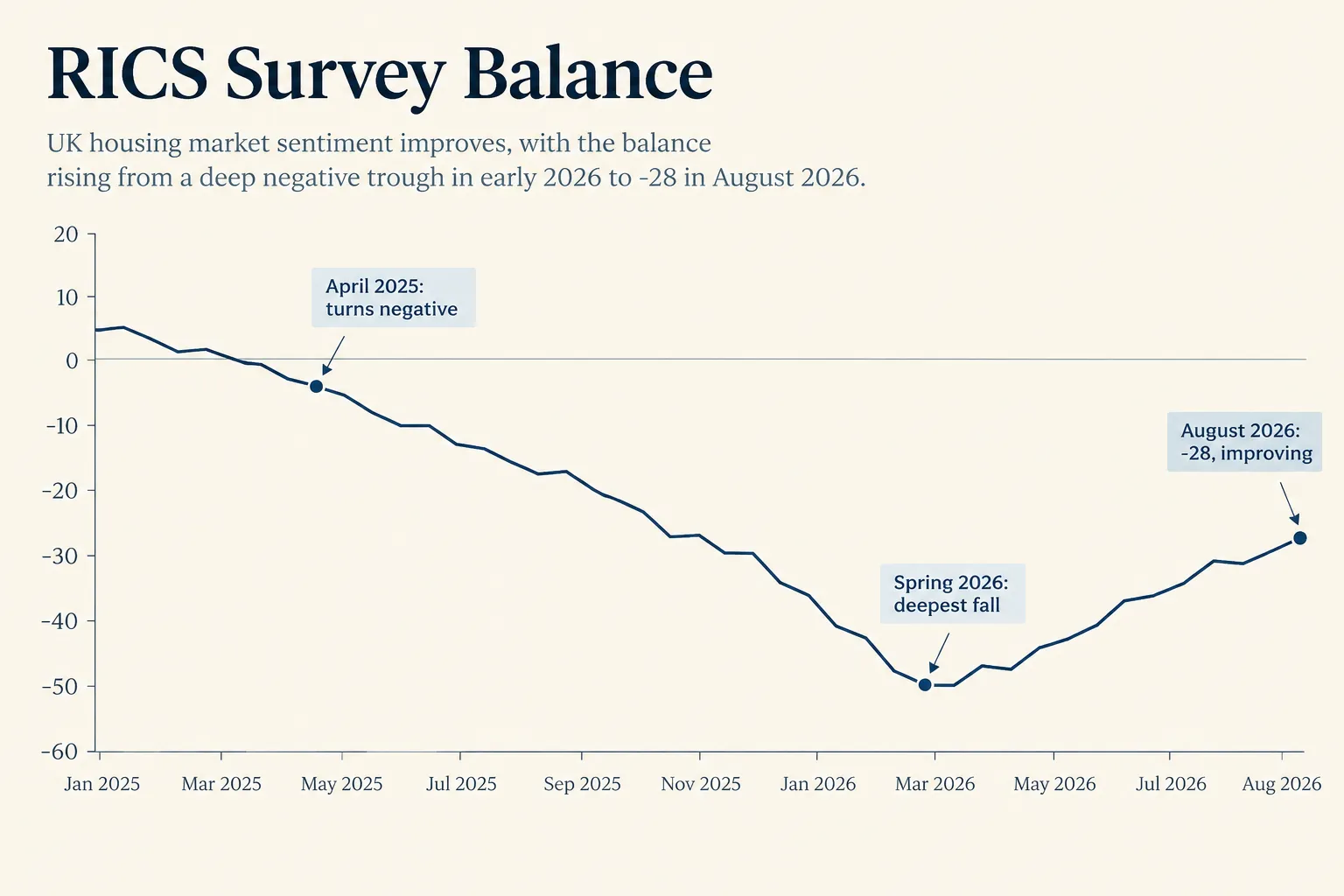
The RICS survey balance improved to -28 in August 2026, better than earlier in the year but still negative every month since April 2025, meaning surveyors nationally still see more price falls than rises.
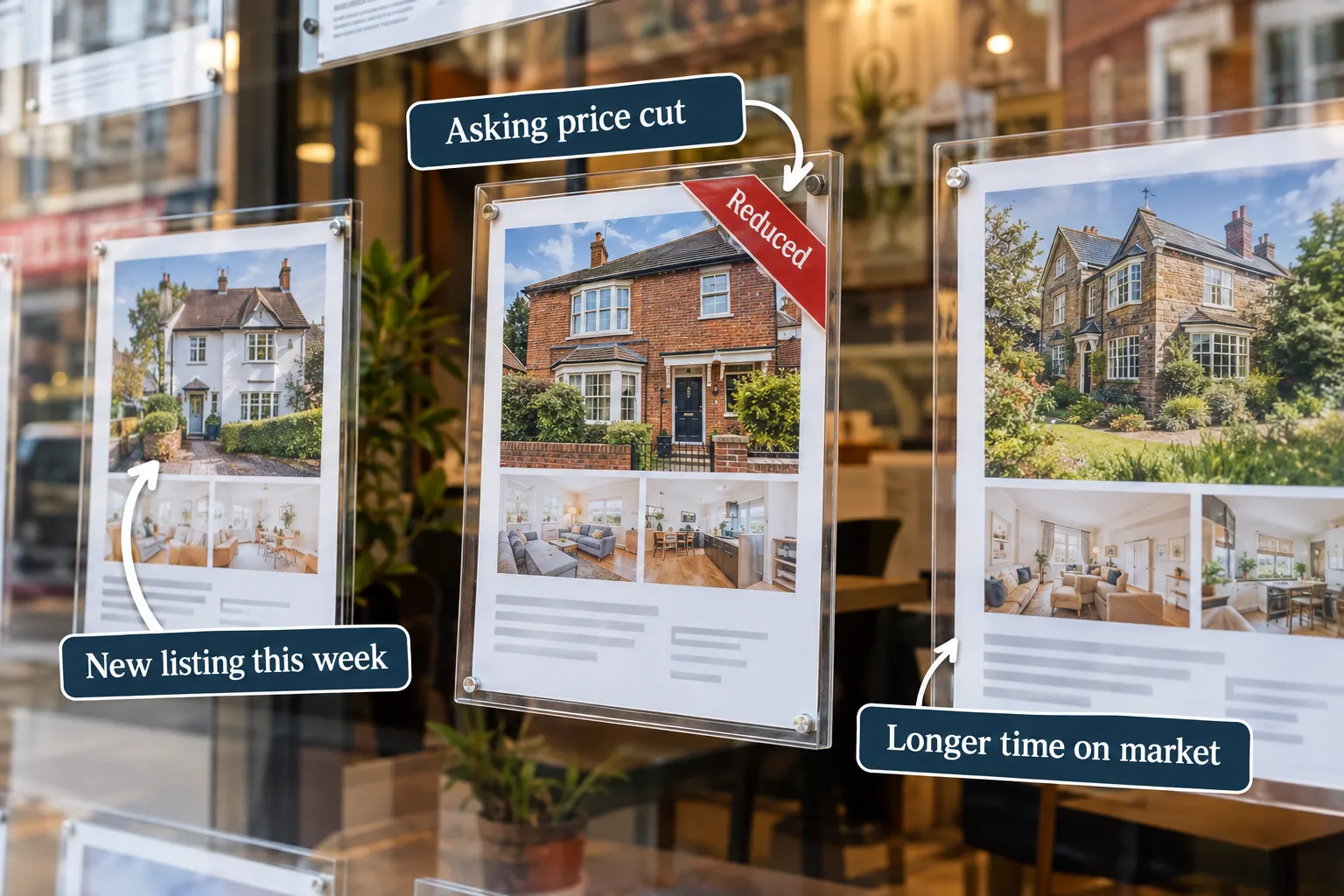
Around a third of live UK listings have been reduced in price this summer, cut by an average of 7 percent as sellers adjust to weaker demand.
Rightmove reported asking prices for newly listed homes fell 1.0 percent in July 2026, the biggest July drop in a decade, and now forecasts 2026 will end flat to down 2 percent.
Halifax puts the average UK house price at £306,100 (+4.1 percent year-on-year), while Nationwide records £278,500 (+3.8 percent), showing how much index methodology affects the headline number.
London has the weakest regional outlook of any part of the UK, adding pressure on sellers there to price realistically.
The Big Picture: Three Measures, One Message
Put simply, three different measuring sticks are telling three slightly different but overlapping stories. RICS surveys the opinions of chartered surveyors and estate agents about direction of travel. Rightmove tracks what sellers are asking for on new listings. Halifax and Nationwide track what actually gets paid, based on mortgage lending data. All three currently point toward a market that has cooled sharply from the peak years but has not collapsed.
The RICS UK Residential Market Survey for August 2026 recorded a national price balance of around -28, an improvement on the deeper negatives seen earlier in the year. Crucially, this is the seventeenth consecutive negative reading since April 2025, meaning surveyors have not reported a net rise in prices for well over a year. Sentiment has stopped getting worse, but it has not turned positive.
Commentary around the survey frames the slowdown as "bottoming out" rather than reversing. Near-term price expectations among surveyors remain cautious, with many still forecasting mild further falls over the next three months before any stabilisation takes hold, particularly outside London where confidence is marginally stronger.
Rightmove Asking Prices: Sellers Are Cutting, Not Just Adjusting
If RICS captures sentiment, Rightmove captures behaviour. Its data on newly listed homes showed asking prices falling 1.0 percent in July 2026, the sharpest July decline recorded in ten years. July is normally a month when sellers hold firm or nudge prices up slightly, so a fall of this size is a clear signal that vendors are pre-emptively pricing to attract buyers rather than testing the market.
A third of live listings across the UK have already been reduced this summer, by an average of 7 percent, as sellers respond to buyer resistance and higher borrowing costs.
Rightmove has responded by trimming its full-year forecast, now expecting 2026 asking prices to finish somewhere between flat and down 2 percent for the year as a whole. That is a meaningful downgrade from earlier, more optimistic projections made in January.
Halifax and Nationwide: Two Measures, One Message
Index
Average UK House Price
Annual Change
Halifax
£306,100
+4.1%
Nationwide
£278,500
+3.8%
The gap between the two figures, close to £28,000, is a reminder that no single index is "the" price of a UK home. Each uses different sampling, weighting and mortgage data, so the level differs even when the direction of travel is broadly similar. Both lenders still show positive annual growth, which sits in contrast to the negative RICS sentiment balance and falling Rightmove asking prices. This is not a contradiction: completed sales recorded by lenders reflect offers agreed months earlier, before the summer's price cuts fed through, while RICS and Rightmove capture the market as it stands right now.
London's Weak Spot and the Regional Divide
Regionally, London stands out as the weakest part of the UK market. Higher average prices mean affordability pressure bites hardest there, and the volume of reduced listings in the capital is running above the national average. Surveyors working across London and the wider South East are reporting longer time-to-sell and larger average discounts compared with northern England, Scotland and Northern Ireland, where demand has held up better relative to local incomes.
What This Means for Buyers Negotiating This September
Buyers currently have more room to negotiate than at almost any point in the last three years.
Use reduced-listing data as leverage. If a home has already been cut once, a further offer below asking price is not unreasonable.
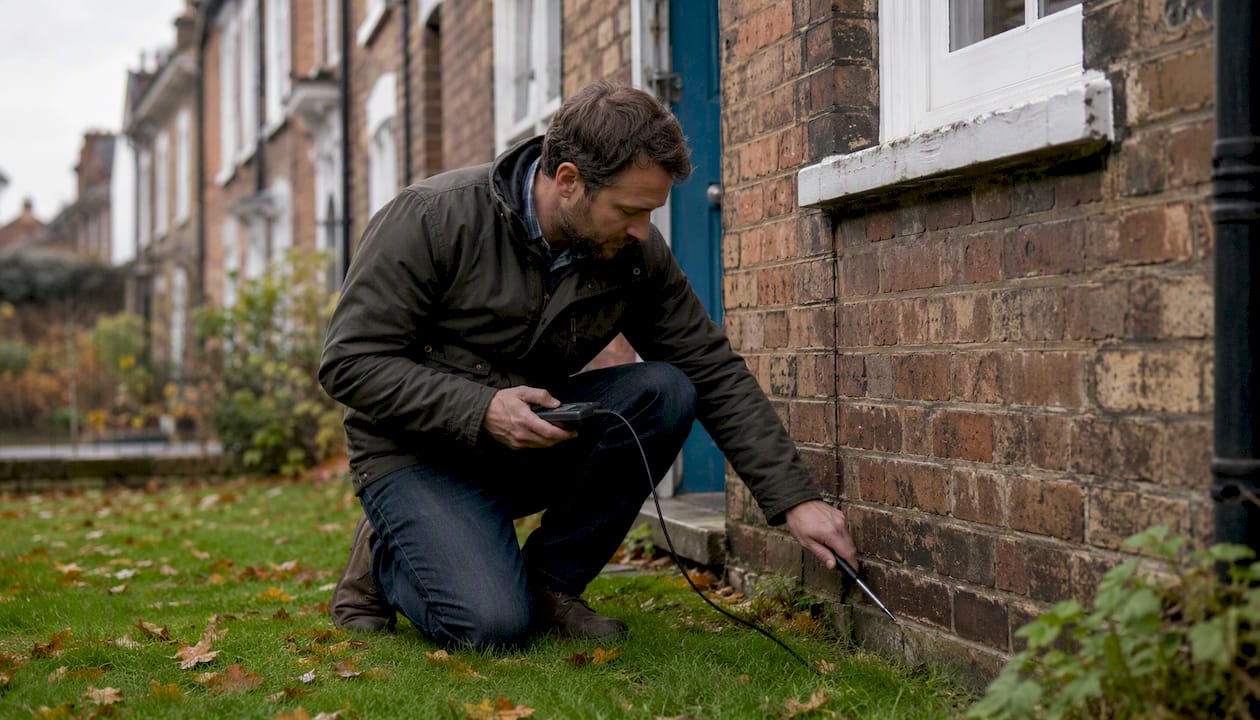
Factor in a RICS Level 2 HomeBuyer Survey before making a final offer, especially on homes priced closer to the top of a street's range.
Watch London separately. Weaker demand there may support sharper discounts than the national average.
Do not assume a bounce is imminent. RICS expectations remain negative for the next three months.
What This Means for Sellers Pricing Correctly
Sellers who price ambitiously this autumn risk becoming part of the "reduced" statistic within weeks.
Price close to recent comparable sales rather than the previous owner's aspirational figure.
Expect buyer surveys to raise issues; budget for negotiation after a Level 2 or Level 3 report lands.
In London and the South East, price sensitivity is highest, so realistic pricing from day one matters more than usual.
Reading the Data as a Surveyor
For chartered surveyors, the current data has practical implications for valuation and reporting. With around a third of listings already reduced, asking prices are an unreliable proxy for market value. RICS Level 2 HomeBuyer Surveys and Level 3 Building Surveys should reference recently agreed sales rather than current asking prices when advising clients on likely valuation outcomes, and should flag to buyers that further negotiation on price is common practice given the negative national sentiment balance.
Frequently Asked Questions
Is the UK housing market falling in September 2026? Sentiment among surveyors is still negative, and asking prices have fallen, but Halifax and Nationwide still show positive annual growth on completed sales. The market is best described as cooling, not crashing.
Why do Halifax and Nationwide show different average prices? They use different data samples and mortgage lending sources, so their averages and growth rates rarely match exactly, even when describing the same market.
Should I expect asking prices to keep falling? Rightmove's own forecast for 2026 is flat to down 2 percent, and RICS near-term expectations remain mildly negative, so further small falls are plausible into the autumn.
Is London a good time to sell? London currently has the weakest regional outlook, so sellers there should price cautiously and expect longer marketing times than the national average.
Do I still need a survey if prices are falling? Yes. A RICS Level 2 or Level 3 survey protects buyers from overpaying and provides negotiating evidence, which matters even more in a market where a third of listings are already discounted.
Conclusion
September 2026's data paints a market in transition rather than crisis. The RICS survey balance of -28 shows sentiment is still negative but improving, Rightmove's asking price falls confirm sellers are adjusting behaviour, and the gap between Halifax and Nationwide figures shows why no single number tells the whole story. Buyers should negotiate with confidence, sellers should price to current conditions rather than last year's peak, and anyone transacting should treat a RICS Level 2 or Level 3 survey as essential groundwork before agreeing a final price.