Building Surveying
Jul 16, 2026
Why use independent surveyors to protect your property
Discover why use independent surveyors to protect your property investments. Learn how their expert assessments can save you money.

Most buyers assume a property looks fine on a viewing, so a survey is a formality at best. That assumption is expensive. Only 45% of UK homeowners have ever instructed an independent surveyor, which means the majority are walking into one of the largest financial commitments of their lives without a professional safety net. This article explains what independent surveyors actually do, the very real risks they uncover, why their independence matters above all else, and how a single report can save you thousands of pounds before you even exchange contracts.
| Point | Details |
|---|---|
| Unbiased property advice | Independent surveyors deliver transparent, client-focused reports you can trust. |
| Significant savings | Acting on survey results can save you thousands through negotiation or avoiding costly repairs. |
| Critical risk detection | Professional inspections often uncover defects hidden to buyers and basic reports. |
| Negotiation power | Survey insights give you leverage to secure fair purchase prices or repairs. |
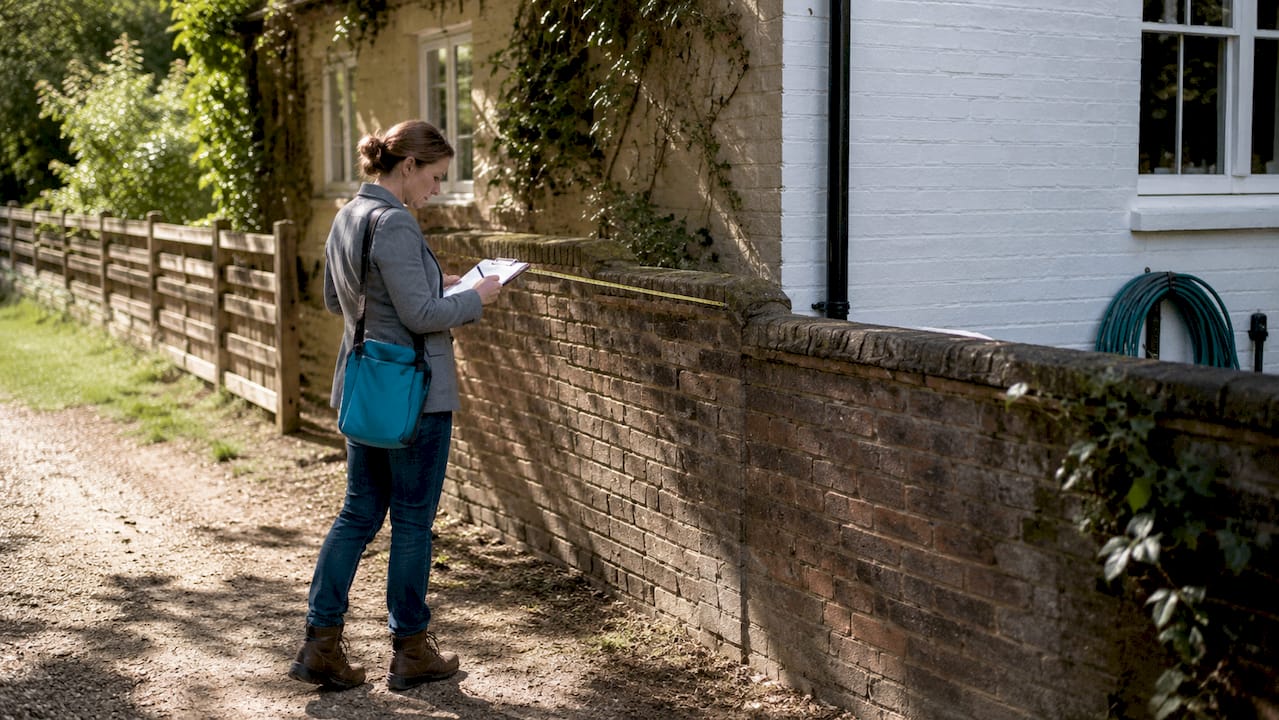
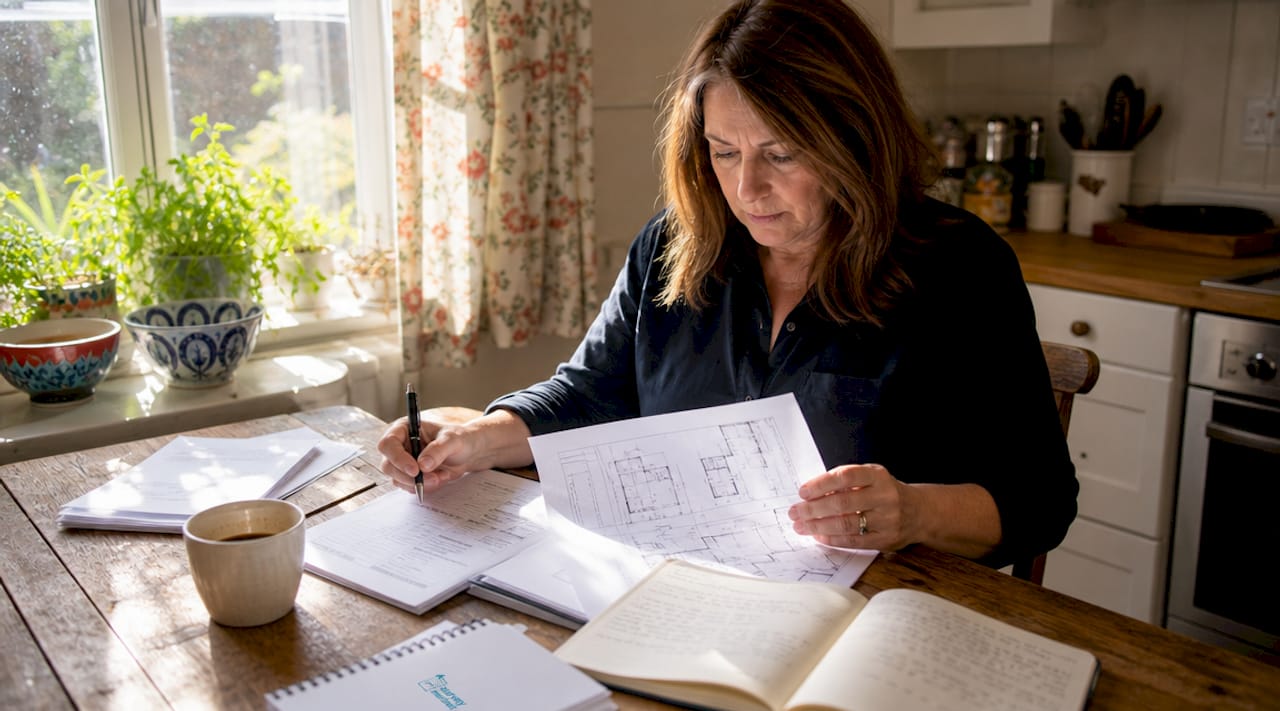
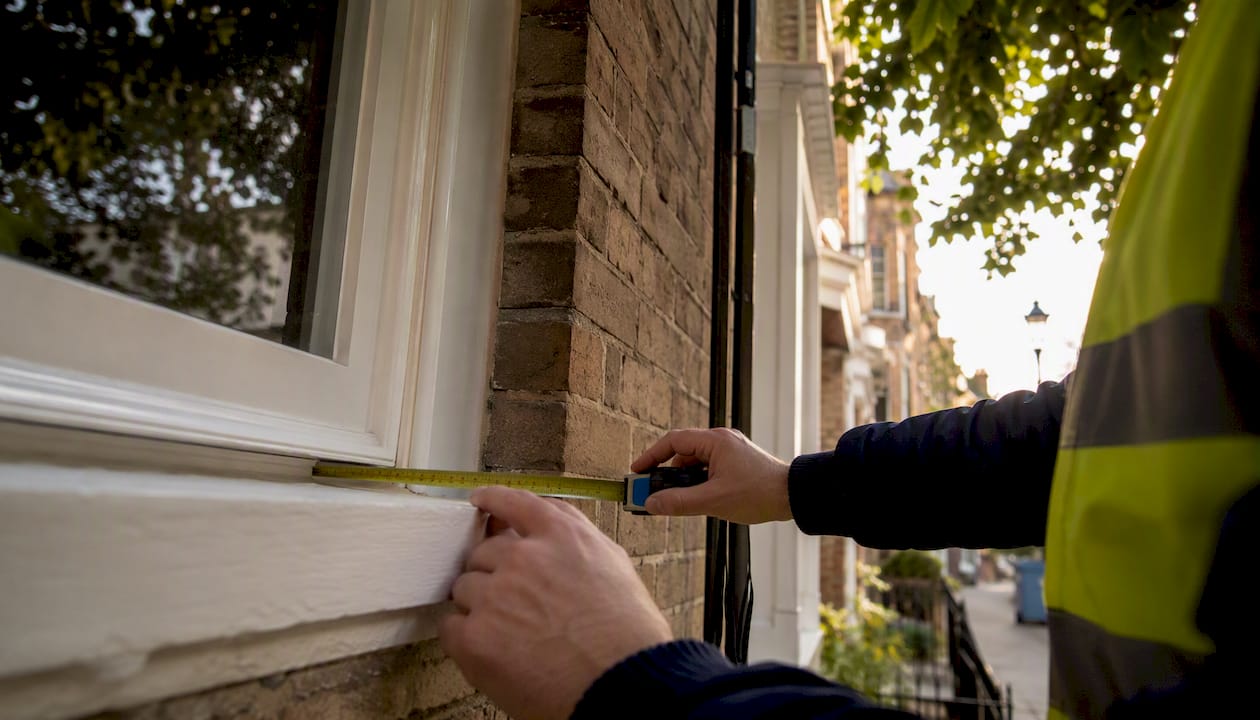
Independent surveyors carry out detailed, professional assessments of a property’s physical condition. Their job is to look beyond the freshly painted walls and tidy garden and report honestly on what they find. That includes everything from the roof structure and chimney stacks to the foundations, drainage, damp levels, insulation, and electrical systems.
What sets an independent surveyor apart from the alternatives is who they work for. When a lender sends a valuer to assess a property, that valuer is primarily confirming whether the property is worth the loan amount. They are not assessing defects for your benefit. An estate agent’s recommended surveyor may have a relationship with the seller’s side of the transaction. An independent surveyor, by contrast, is instructed solely by you and reports solely to you.
The core responsibilities of an independent surveyor include:
Typical independent survey fees range from around £300 for a basic home survey to £1,500 or more for a full building survey on a larger or older property. Given that independent surveys often save buyers far more than those fees through price adjustments alone, the cost argument against commissioning one rarely holds up. Understanding how surveyors safeguard buyers at each stage of the transaction makes the investment even clearer.
Pro Tip: Before instructing a surveyor, ask directly whether they have any existing relationship with the estate agent, the seller, or your mortgage lender. A genuinely independent surveyor will confirm they have none and will welcome the question.
For commercial acquisitions or construction projects, the scope expands considerably. An RICS construction survey covers structural feasibility, build quality assessments, and regulatory compliance in far greater detail than a standard residential report.
The most common reason buyers skip surveys is the belief that modern or recently renovated properties do not need one. The evidence says otherwise. Even properties that have been refurbished can conceal serious defects behind new plasterboard or freshly installed kitchens.
Here are the most frequently uncovered issues in independent surveys:
Survey findings regularly lead to meaningful price renegotiations. Empirical data shows that 35% of buyers who commission surveys go on to negotiate price reductions averaging £6,390, with typical adjustments ranging from 1% to 10% depending on the severity of the defects found.
35% of buyers who use independent surveys negotiate price reductions averaging £6,390. For major structural defects, reductions of 5-10% of the purchase price are common.
The table below gives a practical sense of the types of defects uncovered and their typical financial impact on negotiations:
| Defect type | Typical repair cost | Typical price reduction secured |
|---|---|---|
| Rising damp and associated timber decay | £3,000 to £8,000 | 2% to 4% of purchase price |
| Roof replacement or major repairs | £5,000 to £15,000 | 3% to 6% of purchase price |
| Major structural movement | £10,000 to £40,000+ | 5% to 10% of purchase price |
| Drainage collapse | £4,000 to £12,000 | 2% to 5% of purchase price |
| Failed cavity wall insulation | £2,000 to £5,000 | 1% to 3% of purchase price |
Sellers are far more willing to adjust prices when presented with a formal, professionally written report rather than a buyer’s verbal concern. A written survey provides the documentary evidence that turns a hesitant conversation into a credible negotiation. For a deeper look at what problems typically surface, the common issues in surveys guide covers the full spectrum with practical detail.
A conflict of interest in property surveying occurs when the person assessing a property has a reason to downplay or omit findings that could disrupt a sale. This is not always a matter of deliberate dishonesty. Sometimes it is structural. A surveyor who regularly receives referrals from an estate agency has a financial incentive to keep transactions moving smoothly, even if that means producing softer reports.

Conflicts of interest can arise from several directions. A lender-appointed valuer is paid to assess mortgage risk, not your personal risk. An estate agent’s in-house surveyor is employed by a business whose income depends on completed sales. Even a surveyor who relies heavily on developer referrals may be inclined to rate new build defects less severely than an independent professional would.
An independent surveyor owes a professional duty solely to you. Their fee comes from you, their report is addressed to you, and their professional indemnity insurance protects you if they miss something material. That alignment of interests changes everything about the quality and candour of the report you receive.
The comparison below illustrates the difference clearly:
| Factor | Independent surveyor | Affiliated surveyor |
|---|---|---|
| Instructed by | The buyer | Lender, agent, or developer |
| Primary duty | Buyer’s interests | Lender’s or referrer’s interests |
| Report tone | Candid and detailed | Often brief; minimises concerns |
| Negotiation support | Yes, actively assists | Rarely, not their remit |
| Conflict of interest risk | Very low | Moderate to high |
| Professional indemnity | Protects the buyer | Protects the instructing party |
To protect your property investment fully, you need someone in your corner whose professional obligation runs entirely to you. That is what true independence delivers. When reviewing any surveyor’s credentials, the importance of survey neutrality cannot be overstated, particularly in competitive markets where pressure to complete quickly is intense.
Pro Tip: Ask your surveyor to confirm in writing that they have no commercial relationship with the selling agent or any party in the transaction. Check their RICS membership status independently at the RICS website before appointing them.
The financial case for independent surveys is strong and multi-layered. There is the immediate gain from negotiation and the longer-term gain from avoiding properties with ruinously expensive defects. Both are significant.
Here is how survey findings typically convert into financial benefit in a transaction:
Only 45% of UK homeowners have ever used an independent surveyor, which means the majority are forgoing this negotiation power entirely. Among those who do commission surveys and act on the findings, average reductions of £6,390 are documented. On a £300,000 property, even a modest 2% reduction equals £6,000, which covers the survey fee several times over.
The long-term savings are harder to quantify but arguably more significant. A buyer who purchases a property with a concealed drainage problem or failing roof structure may face repair bills of £15,000 to £40,000 within the first few years of ownership. Those costs arrive with no warning and no recourse. A survey report identifying those risks before purchase either secures a compensating price reduction or gives you the information needed to walk away from a bad deal. Guidance on negotiating after your survey and specific approaches to price renegotiations with survey findings provide practical frameworks for turning report findings into real financial outcomes.

Here is the uncomfortable reality. Most buyers who skip surveys are not ignorant of their value. They know surveys exist. They even acknowledge they probably should have one. What stops them is a combination of false confidence and transaction pressure.
The false confidence comes from viewing a property and finding it presentable. But a viewing is not an inspection. You are looking at a property for 20 to 30 minutes, mostly focused on the layout, the light, and whether your furniture will fit. A surveyor spends two to four hours systematically examining the fabric of the building, including areas you cannot access and conditions you are not trained to interpret.
Transaction pressure is the other factor. Once an offer is accepted, buyers feel momentum pushing them towards exchange. Introducing a survey feels like introducing doubt, and nobody wants to feel doubtful about a purchase they are emotionally invested in. Sellers and estate agents know this. Some will subtly discourage surveys, particularly on new builds, suggesting that NHBC warranties or recent construction makes professional inspection unnecessary.
That logic is flawed. New builds carry their own category of common defects, including incomplete insulation, drainage problems, poor workmanship on finishes, and structural elements that fail building regulation requirements. Trends in surveyor usage confirm that demand for new build inspections has grown precisely because buyers have learned the hard way that a developer’s completion certificate is not the same as an independent assessment of quality.
The 45% of homeowners who have never used an independent surveyor are not making a calculated decision based on lower risk. They are simply accepting a risk they have not fully considered. When average repair costs routinely exceed £10,000 for undiscovered defects and survey fees start at £300, the arithmetic is not ambiguous.
You have now seen the data, the real-world defects, the negotiation outcomes, and the conflicts of interest that can undermine lender or agent-tied alternatives. The case for independent surveying is not theoretical. It is built on documented savings, avoided disasters, and buyers who walked away from the right deals with their finances intact.

Survey Merchant connects you with qualified, genuinely independent surveyors across the UK for every type of property and transaction. Whether you need building surveying services for a residential purchase, valuation services to understand a property’s true market worth, or specialist commercial property surveys for a business acquisition, the panel covers every need. Every surveyor on the platform is vetted for independence and professional qualification, so the report you receive works entirely in your interest. Do not let transaction pressure override sound judgement. Commission your independent survey before you exchange.
Independent surveyors assess the property’s structure, condition, safety, and defects, producing an unbiased written report tailored to your specific needs and risk profile. Their detailed, transparent reports typically cover everything from roof coverings to drainage and frequently identify issues that save buyers far more than the survey fee itself.
On average, buyers who act on survey results negotiate price reductions averaging £6,390, with typical adjustments ranging from 1% to 10% of the purchase price depending on the severity of defects found.
Yes, independent surveys are worthwhile even on brand-new homes because defects in new builds are frequently uncovered, and a developer’s warranty does not replace an independent professional assessment. Data on survey usage confirms that buyers who skip surveys on modern homes still face unexpected repair costs.
An independent surveyor is instructed by you, owes their professional duty solely to you, and has no commercial ties to the seller, estate agent, or your mortgage lender. Tailored reports with negotiation leverage are the hallmark of a genuinely independent professional working entirely in your interest.
Survey Merchant provides vetted RICS surveyors across 100+ UK locations at fixed fees:
→ Level 2 Home Survey (HomeBuyer Report)
→ Level 3 Building Survey (full structural survey)
→ RICS Red Book property valuations
→ Party wall surveyors — notices, awards & schedules of condition
→ Expert witness surveyors — CPR Part 35 reports for property disputes