Building Surveying
Jul 16, 2026
Why commission a survey before buying property
Discover why commission a survey before buying property. Ensure transparency, protect your investment, and avoid costly surprises.

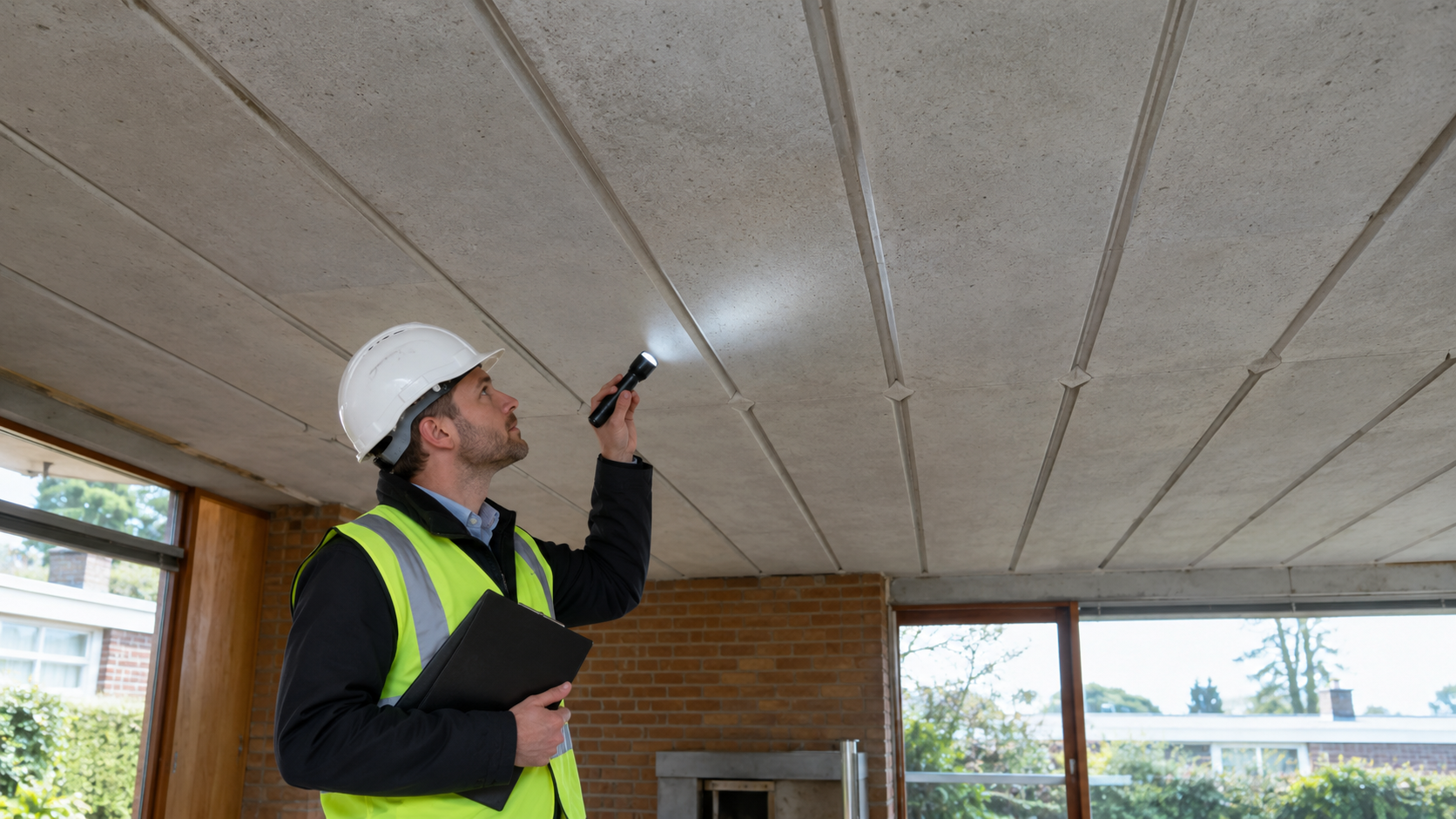
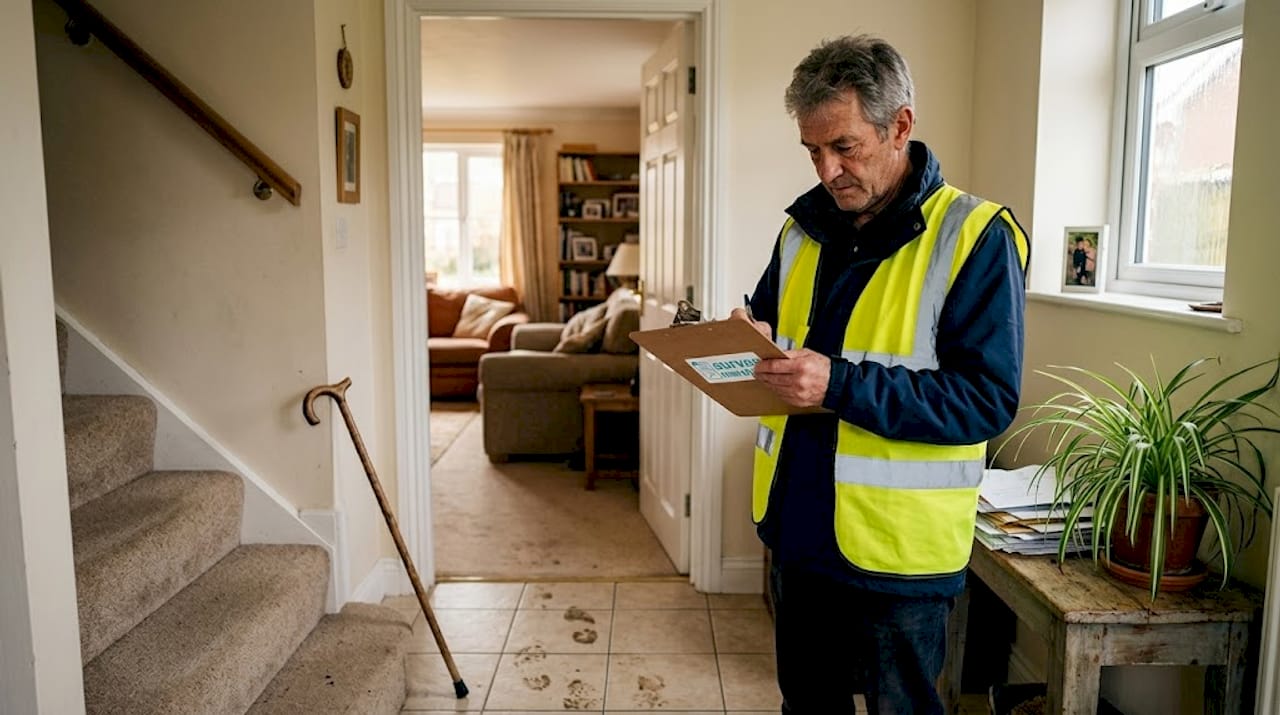
Commissioning a professional property survey is defined as instructing a qualified surveyor to carry out an independent, detailed assessment of a building’s physical condition before you commit to a purchase or renovation. This is distinct from a mortgage valuation, which serves the lender’s interests and routinely omits checks on roofs, boilers, wiring, and damp. The Royal Institution of Chartered Surveyors (RICS) sets the professional standards that govern all reputable survey work in the UK. Government reforms in 2026 aim to reduce failed transactions and save buyers £200 million annually by increasing upfront transparency. A survey is the single expert opinion you receive on a building where you may be committing hundreds of thousands of pounds.
Commissioning a survey gives you a factual picture of a property’s condition before you are legally bound to buy it. That picture protects you financially, legally, and practically.
Pro Tip: Ask your surveyor to provide estimated repair costs alongside each defect. Many RICS-regulated surveyors include indicative figures, and those numbers give you a concrete basis for price negotiation.

RICS defines three survey levels, each suited to a different property type and buyer need. Choosing the wrong level is one of the most common and costly mistakes buyers make.
| Survey level | Best suited to | What it covers |
|---|---|---|
| Level 1: Condition Report | New builds and recently constructed homes in good condition | Basic traffic-light condition ratings; no advice or valuations |
| Level 2: HomeBuyer Report | Standard UK homes built after 1900 in reasonable condition | Condition ratings, visible defects, advice on urgent repairs, optional valuation |
| Level 3: Building Survey | Older, larger, or non-standard properties; pre-1900 buildings; altered structures | Full structural inspection, detailed defect analysis, remediation advice, cost estimates |
Level 2 is the most commonly commissioned survey for standard UK homes. It covers visible defects and provides clear condition ratings without the depth of a full structural investigation. Level 3 is the right choice for Victorian terraces, listed buildings, timber-frame properties, or any home that has been significantly extended or altered. Choosing a Level 2 for a pre-1900 cottage with a history of damp is a false economy. The additional cost of a Level 3 survey is small relative to the repair bills it can help you avoid.
A common misconception is that a mortgage valuation covers the same ground as a HomeBuyer Report. Mortgage valuations do not check roofs, boilers, wiring, dampness, or structure. They exist solely to confirm the property is worth the loan amount. Buyers who rely on a valuation alone expose themselves to unanticipated repair bills and legal risks after completion.
Pro Tip: If you are unsure whether a Level 2 or Level 3 survey is appropriate, describe the property’s age, construction type, and any known alterations to the surveyor before booking. A reputable surveyor will recommend the right level rather than the cheaper option.

For a detailed comparison, the Surveymerchant guide on homebuyer report vs building survey sets out the differences clearly.
Timing is the factor buyers most often get wrong. Commissioning a survey too late removes your ability to act on its findings.
Commissioning a survey post-offer but pre-exchange gives you the chance to renegotiate or withdraw before you are legally committed. That window is the most financially valuable period in any property transaction.
If you are financing the purchase, speaking to a specialist mortgage adviser such as Prosper Home Loans alongside commissioning your survey helps you understand how identified defects might affect your mortgage offer.
The quality of a survey depends entirely on the competence and independence of the surveyor you appoint. These are the criteria that matter.
Surveymerchant connects buyers with RICS-qualified surveyors who have verified expertise in a wide range of property types across the UK. The platform’s matching process prioritises independence and relevant specialism, which is exactly what you need for an accurate assessment.
Commissioning a professional property survey is the most reliable way to understand a building’s true condition, protect your finances, and negotiate from a position of knowledge before you exchange contracts.
| Point | Details |
|---|---|
| Survey vs mortgage valuation | A mortgage valuation serves the lender only; it does not inspect roofs, boilers, wiring, or damp. |
| Choose the right RICS level | Level 1 suits new builds, Level 2 suits post-1900 homes, and Level 3 suits older or altered properties. |
| Timing is critical | Commission your survey immediately after offer acceptance and before exchange to preserve your right to renegotiate or withdraw. |
| Select an independent surveyor | Avoid estate agent or lender referrals; book directly through an independent source to remove conflicts of interest. |
| Use the report actively | Share findings with your solicitor and use identified defects to negotiate price reductions or request repairs before completion. |
I have spoken with buyers who skipped their survey to save £500 on a £350,000 purchase. Several of them later faced repair bills running into tens of thousands of pounds for defects a Level 3 survey would have caught in a single morning. The maths is not complicated.
What surprises me is how often buyers treat the survey as optional when the mortgage valuation has come back fine. That valuation tells you the property is worth the loan. It tells you nothing about the roof, the drains, or the wiring. Those are entirely separate questions, and only a qualified surveyor answers them.
The 2026 government reforms are a step in the right direction. Greater upfront transparency and digitisation will reduce the number of transactions that collapse late in the process, which is genuinely good news for buyers. But reforms do not replace the independent expert opinion that a survey provides. They make the process faster. They do not make it safer.
My practical advice is this: book your surveyor the same week your offer is accepted. Do not wait for the mortgage offer to arrive. Use the right surveyor for your property type, read the full report rather than just the summary, and treat every Category 3 defect as a negotiation point. A survey is not a reason to panic. It is a reason to proceed with your eyes open.
— N
Surveymerchant connects buyers and property owners across the UK with qualified, independent surveyors matched to their specific property and circumstances.

Whether you need a full Level 3 building survey for an older or non-standard property, or a commercial property survey for a business acquisition, Surveymerchant’s panel of RICS-regulated surveyors delivers detailed, impartial reports you can act on. Every surveyor on the platform is vetted for relevant specialism and professional standing. Booking is straightforward, and reports are delivered to a consistent standard. If you are preparing to buy or renovate, getting the right survey in place is the most protective step you can take before you commit.
A property survey provides an independent, expert assessment of a building’s physical condition before you buy or renovate. It identifies defects, estimates repair costs, and gives you the information needed to negotiate or withdraw before exchange.
No. A mortgage valuation serves the lender and does not inspect critical elements such as roofs, boilers, wiring, or damp. An independent survey is the only way to understand the true condition of a property.
Commission your survey immediately after your offer is accepted and before you exchange contracts. Most buyers do so within 2–4 weeks of offer acceptance, which leaves sufficient time to act on the findings.
Level 1 suits new builds, Level 2 suits standard homes built after 1900, and Level 3 suits older, larger, or structurally altered properties. If in doubt, describe the property to your surveyor before booking and ask for their recommendation.
Yes. A survey report is a legal document that identifies defects and indicative repair costs. Buyers regularly use these findings to negotiate price reductions or request that sellers complete repairs before completion.
Survey Merchant provides vetted RICS surveyors across 100+ UK locations at fixed fees:
→ Level 2 Home Survey (HomeBuyer Report)
→ Level 3 Building Survey (full structural survey)
→ RICS Red Book property valuations
→ Party wall surveyors — notices, awards & schedules of condition
→ Expert witness surveyors — CPR Part 35 reports for property disputes