Valuation
Jul 16, 2026
RICS Valuation Near Me: Your Practical 2026 Guide
Searching for a RICS valuation near me? Our 2026 guide explains valuation types, costs, and how to find and verify a qualified local surveyor for your needs.

You're often in the same position when you search for a RICS valuation near me. A lender has asked for a valuation. A solicitor wants one for probate. A divorce settlement needs an independent figure. Or you're trying to sort out Help to Buy, a leasehold matter, or a tax issue and you need something more reliable than an estate agent's view.
That's the point many people miss. The postcode search matters, but it isn't the first decision. The first decision is why the valuation is needed. If you get that wrong, you can end up with the wrong report, the wrong assumptions, and a document that your lender, solicitor or other adviser can't use.
A proper RICS valuation is different from an informal appraisal because it sits within a professional standards framework. In UK practice, a RICS valuation is commonly understood as a regulated market valuation under the RICS Red Book Global Standards, used across instructions such as mortgage lending, probate and matrimonial matters across the UK, as set out by RICS. That's why the right instruction matters as much as the right valuer.
When people type RICS valuation near me into Google, they usually think they're looking for the nearest surveyor. In practice, the more important question is whether they're looking for a valuation for lending, probate, matrimonial proceedings, Help to Buy, lease extension, or something else entirely.
That distinction isn't administrative detail. It affects the basis of value, the assumptions applied, the way the report is written, and whether the final document is accepted by the party relying on it. RICS guidance makes this clear. The search often overlooks the critical point of the “why”, and different use cases such as mortgage, probate or matrimonial matters require different assumptions. Mis-scoping the instruction can cause delays or rejection, as noted in the RICS Find a Member guidance.
Practical rule: Don't ask a valuer for “a valuation”. Ask for the valuation that matches the legal or financial decision you need to make.
The other early mistake is treating a free market appraisal as if it were interchangeable with a formal valuation. It isn't. Estate agents advise on asking prices and sale strategy. A RICS valuer provides an independent opinion for a defined purpose under professional standards.
If you start with purpose, the rest of the process becomes clearer. You'll know what specialist experience to look for, what documents to gather, what questions to ask, and what your finished report should contain.
Most clients don't struggle because there are no valuers nearby. They struggle because several firms may all be local, but only some will be suitable for the instruction in hand.
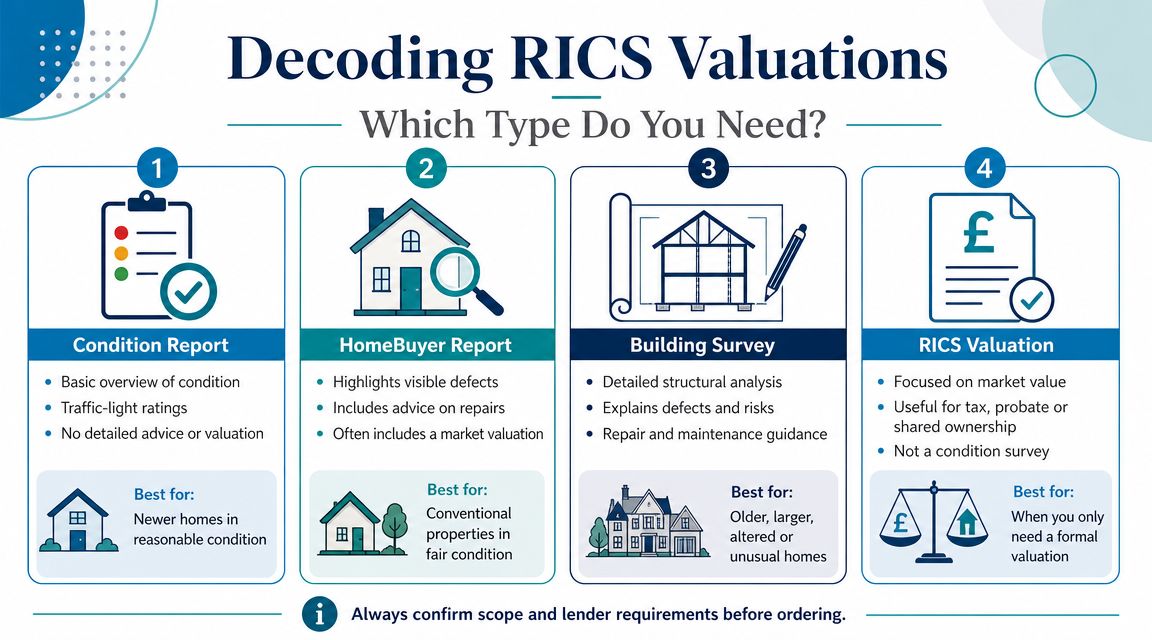
A Red Book valuation is often the term sought when searching for a RICS valuation. That matters because the report needs to fit the transaction or dispute. Mortgage work, probate work and matrimonial work can all involve the same property, but the instruction, assumptions and reporting context can differ. If you want a deeper overview of that standards framework, the Survey Merchant RICS Red Book guide is a useful primer.
A good valuer doesn't start by quoting a fee. They start by pinning down the purpose of the report and who will rely on it.
| Valuation Type | Primary Purpose | Who It's For | Key Consideration |
|---|---|---|---|
| Mortgage or market valuation | To support lending or an open market decision | Buyers, owners, lenders | Check whether the lender requires a panel valuer or accepts an independent report |
| Probate valuation | To support estate administration and related tax reporting | Executors, solicitors, beneficiaries | The valuation date is often critical |
| Matrimonial valuation | To assist divorce or separation proceedings | Solicitors, separating couples, courts | Independence and clear assumptions matter greatly |
| Help to Buy valuation | To support staircasing, repayment or scheme requirements | Leaseholders and owners in the scheme | The report format may need to meet scheme-specific expectations |
| Lease extension or enfranchisement valuation | To assess a statutory or negotiated leasehold position | Leaseholders, freeholders, solicitors | Specialist leasehold expertise is often more important than simple proximity |
A few practical distinctions help:
What works is precise scoping from the start. What doesn't work is booking the nearest firm first, then discovering later that the report isn't suitable.

Once you know the exact valuation type, the best independent starting point is the official RICS directory. The RICS Find a Surveyor directory lists over 40,000 surveying firms worldwide, which gives UK clients a substantial network to search when looking for nearby firms, according to RICS Firms.
That scale matters because local knowledge still counts. A valuer who understands the immediate market, local comparable evidence, planning context and the quirks of a particular town or borough will usually be better placed than someone working from a broad regional impression.
A sensible search process looks like this:
If you want a general walkthrough of the search process, this guide on how to find property surveyors is a helpful reference point.
Finding a name in a directory isn't the final check. Before you appoint anyone, verify that the firm and individual are suitable for the exact instruction.
Look for these points:
The best local valuer isn't always the closest office. It's the one with the right experience, the right standards framework, and current knowledge of your patch.
What usually goes wrong here is rushing. People see “RICS” in a search result, assume all firms offer the same thing, and only discover differences after the instruction has started.
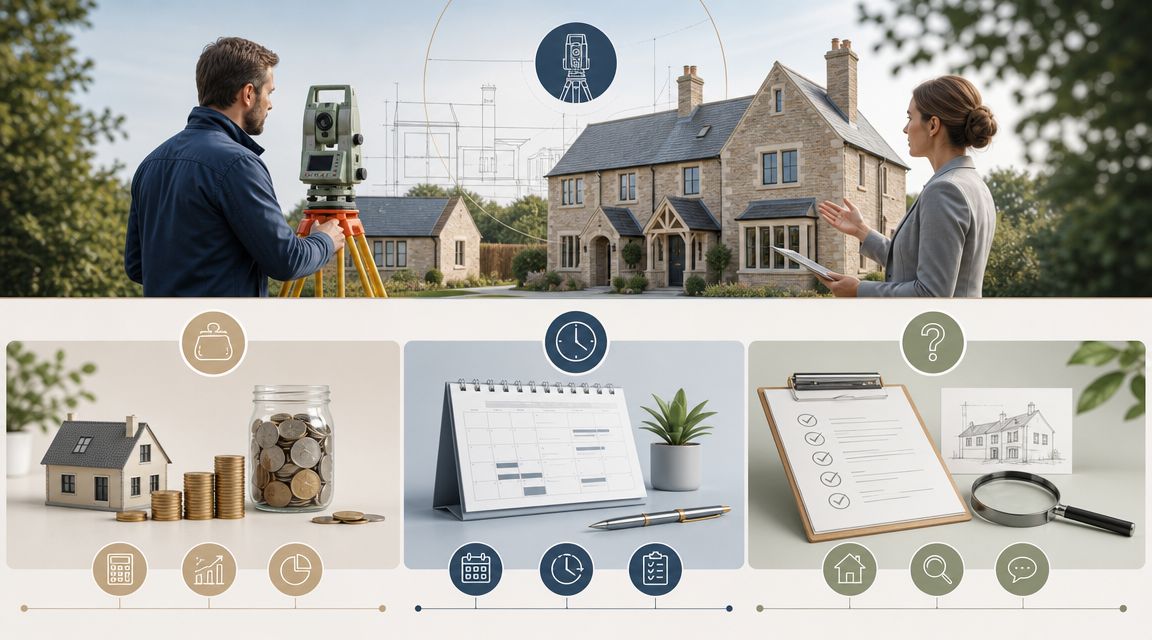
Fees and turnaround are usually driven by the instruction itself, not just by the property address. A straightforward flat for a standard residential purpose is one thing. A larger house, a mixed-use property, a short lease, or a case involving legal nuance is another.
For residential work, a formal RICS valuation generally includes a site visit and desk research, with the final opinion built from inspection evidence and market comparables, as explained in the RICS residential property valuations guide. That means the timeline depends on inspection access, document availability, complexity of analysis and the valuer's current workload.
Common reasons a job takes longer include:
Most clients ask only for price. That's understandable, but it's not enough. The better approach is to compare providers on suitability first, then fee.
Ask questions like these:
A useful rule from other trades also applies here. Before appointing any property professional, slow down and ensure you hire a reliable professional by asking direct questions about scope, experience, and accountability. The principle is the same whether it's plumbing or valuation. Vague answers usually create expensive problems later.
Watch for this: If a firm treats probate, lending, divorce and lease extension work as if they're all interchangeable, keep looking.
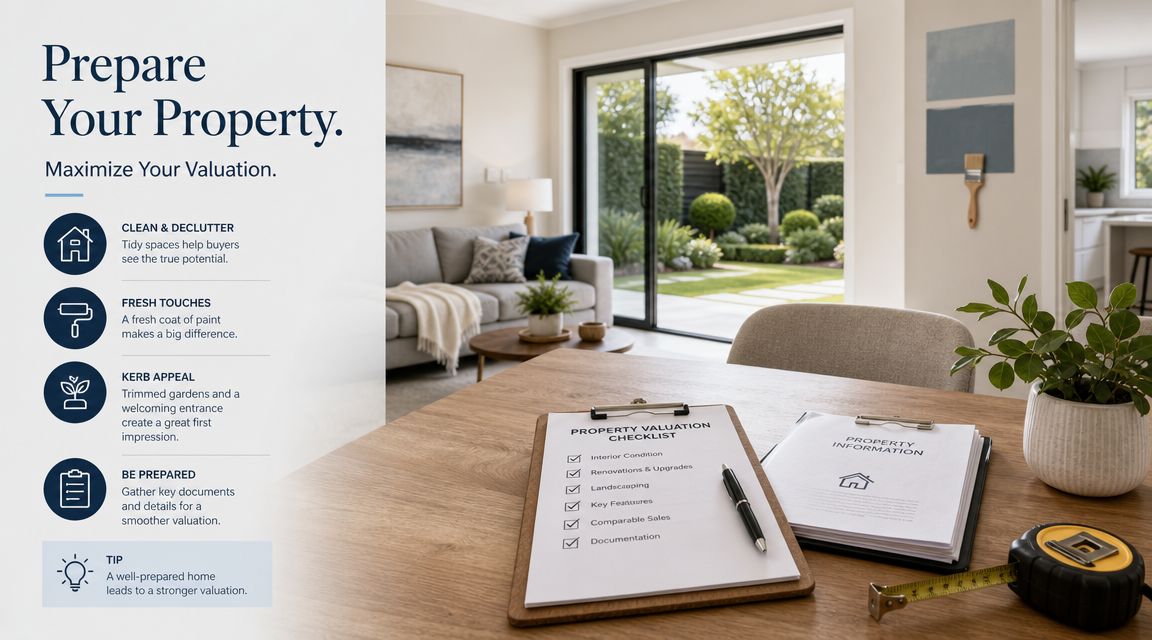
A valuer won't be distracted by untidy worktops or a child's toys in the lounge. Preparation still matters because it saves time, reduces uncertainty, and helps the inspection run smoothly.
Have these ready if they apply:
If you want a broader pre-inspection checklist, this guide offers essential advice for UK property surveys.
A few simple steps help more than cosmetic tidying:
What works is openness and access. What doesn't work is trying to stage-manage the inspection or bury awkward facts in the hope they won't matter.
The report you receive is not just a number on headed paper. It is the end product of a professional process. In RICS practice, that workflow has four main parts: defining the purpose, inspecting the property, selecting the right valuation approach from market, income or cost, and reconciling the final value, as outlined in the RICS article on valuation methods.
A sound report usually answers several questions at once:
The basis of value is especially important. That phrase tells you the framework behind the figure. If the basis doesn't match the purpose of the instruction, the valuation may be correct in isolation but unusable in context.
You should also look at the property description and assumptions carefully. Check that the tenure, accommodation, condition summary and any special assumptions line up with reality. If something material is wrong, raise it promptly.
Some disputes about value are not really disputes about value at all. They're disputes about assumptions.
Comparable evidence also matters, although reports vary in how much detail they show. The point isn't that every comparable will mirror your property perfectly. The point is whether the valuer's reasoning is coherent and grounded in market evidence.
For land and development property, the analysis can become more sensitive. The residual method, where used, depends heavily on inputs such as development value, build costs, finance and profit assumptions. Small changes in those inputs can alter the result significantly. That's why specialist land valuation work needs careful scrutiny.
The next step depends on the instruction:
If something doesn't make sense, ask the valuer to explain it in plain English. A competent surveyor should be able to clarify the basis of value, assumptions, and any uncertainty without defensiveness.
A useful report doesn't just state a figure. It gives you a document you can act on with confidence.
If you need a valuation and want the instruction matched properly from the outset, Survey Merchant can help connect you with a suitable UK surveyor for the exact purpose involved, whether that's probate, matrimonial, Help to Buy, leasehold work or a Red Book valuation. That saves time at the front end and reduces the risk of ordering a report that doesn't fit the job.
Survey Merchant provides vetted RICS surveyors across 100+ UK locations at fixed fees:
→ Level 2 Home Survey (HomeBuyer Report)
→ Level 3 Building Survey (full structural survey)
→ RICS Red Book property valuations
→ Party wall surveyors — notices, awards & schedules of condition
→ Expert witness surveyors — CPR Part 35 reports for property disputes