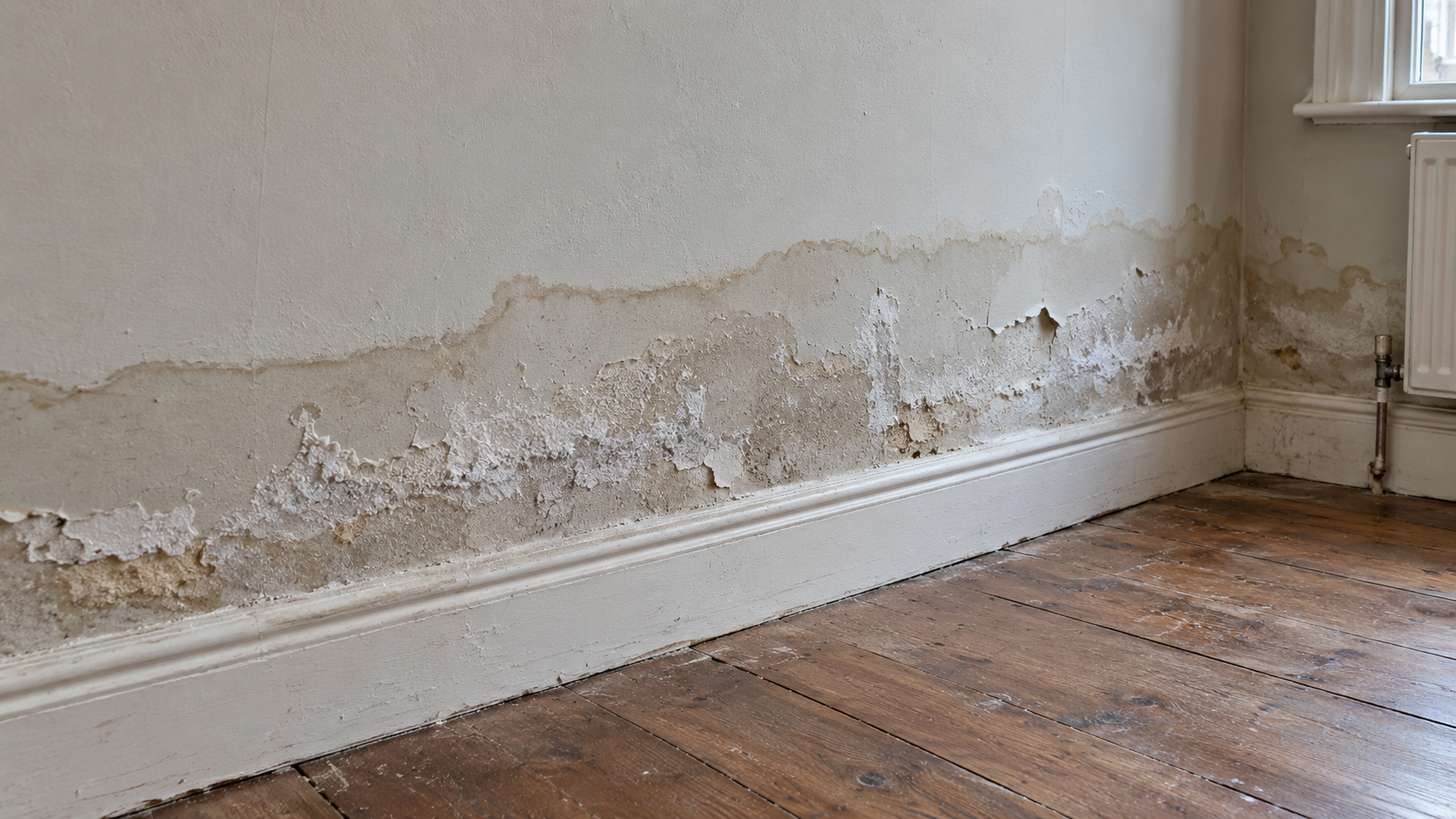
Party Wall
Jul 16, 2026
Party Wall Disputes: A UK Homeowner's Guide for 2026
Facing party wall disputes in the UK? Our guide explains the Party Wall Act, notice process, resolution steps, costs, and how to find a qualified surveyor.

You’ve lined up the builder, sketched the new kitchen extension, and started looking at finishes. Then somebody asks a simple question: “Have you served the party wall notice yet?” For many first-time renovators, that’s the moment excitement turns into worry.
Most party wall disputes don’t begin with a dramatic row. They start with uncertainty. A neighbour sees scaffold going up, hears that foundations will be dug near their wall, or receives a formal notice full of legal wording they don’t understand. You think you’re improving your home. They think their property might crack, shift, or become harder to enjoy for months.
That tension is common, especially where homes sit close together and works affect shared structures or boundaries. The good news is that there is a process for dealing with it. If handled properly, it gives both sides a clear route forward and gives the building project a proper framework.
If you’re still working out whether your wall is shared, boundary-related, or something different, this guide on the difference between a party fence wall and boundary wall is a useful place to start before you go further.
A party wall matter sits at the point where building work and neighbour relations meet. That’s why it can feel more personal than other parts of a project. Plans and drawings may look straightforward to you, but your neighbour often sees risk first.
Take a common example. You’re planning a rear extension to create a larger kitchen. The architect says part of the work involves cutting into a shared wall and excavating near the next-door foundations. You mention it casually over the fence, expecting a quick “no problem”. Instead, your neighbour goes quiet, then sends a message asking whether their wall will be safe and who will pay if cracks appear.
That’s the point where many homeowners make their first mistake. They either become defensive, or they try to reassure the neighbour informally without following the legal process. Neither helps. What settles things is a proper notice, a clear explanation of the work, and an independent surveyor if consent isn’t given.
Practical rule: Treat a party wall issue as a technical process with a human side, not as a personal argument you need to win.
The calmest projects usually have three features:
When those elements are missing, party wall disputes can grow quickly. People worry about cracking, access, noise, dust, timing, and whether they’re being pushed into accepting risk. Once that happens, even minor works can become difficult.
The Party Wall etc. Act 1996 sets the rules for certain building works in England and Wales when those works could affect a shared wall, a boundary, or a neighbouring structure. If you are extending, converting a loft, or digging for new foundations, this is often the framework that turns a tense conversation into a clear process.
For a first-time renovator, the easiest way to understand the Act is to see it as a rulebook for managing risk before work starts. It allows lawful building work to proceed, but only after the neighbour has been formally notified and given the chance to respond. According to the Federation of Master Builders guide to party wall agreements, the adjoining owner has 14 days to reply in writing after notice is served.
A party wall surveyor steps in when that reply is not straightforward, or when the proposed works need formal safeguards. In practical terms, the surveyor checks whether the Act applies, reviews the drawings, records the condition of the neighbouring property, and helps set out how the job should be carried out.
The Act exists to reduce the chance of damage, confusion, and arguments. It does that by replacing vague promises with a set procedure. Instead of relying on a quick word over the fence, both owners have a formal route for notice, consent or dissent, inspection, and written terms for the works.
That matters because problems usually arise before a brick is laid. One owner assumes the job is minor. The other worries about cracks, access, dust, or delay. The Act gives both sides a structure, much like setting out the ground rules before a difficult project starts.
If notice is not served where the Act applies, the building owner can face serious trouble, including delays to the works and arguments about liability for damage. The paperwork is part of the job, not an optional extra.
The legal labels sound technical, but they are simple once translated into everyday language:
Those titles are not judgments about who is being reasonable. They serve to identify each person’s role in the process.
Homeowners usually meet the Act in three situations.
Work to an existing party wall or party structure
This includes cutting into a shared wall for beams, removing parts of it, raising it, or carrying out other structural work.
Building at the line of junction
This often applies where a new wall is built on or up to the boundary.
Excavation near a neighbouring building
New foundations for an extension or basement can fall within the Act if the digging is close enough to affect the neighbour’s structure.
A simple test helps here. If the work touches a shared element, changes structural support, or involves digging close to the next property, it needs checking properly before work starts.
Another area that causes confusion is what happens after notice is served. The adjoining owner can consent, dissent, or fail to reply. If consent is not given, the matter moves into the statutory dispute procedure, where surveyors prepare a party wall award setting out the method of work, timing, access arrangements, and protection for both properties. In some cases, the adjoining owner can also serve a counter-notice within the period allowed by the Act.
Most party wall disputes don’t start because somebody wants a fight. They start because one side feels exposed and the other side feels delayed. That combination creates friction very quickly.
A loft conversion is a good example. From the building owner’s side, it may seem modest. The roof space is already there, the plans are approved, and the contractor says the structural steel can be installed in a matter of days. Then the neighbour hears that workers may need access, drilling will happen close to the shared wall, and vibrations could affect old plaster finishes in their top-floor bedroom.
The legal issue is only part of the story. The emotional part is often stronger. Your neighbour may not understand the engineering, but they do understand disruption and the possibility of damage.
A basement project creates an even sharper reaction. Excavation near foundations makes people nervous, especially in terraced housing where movement in one property can affect the next. Even when the design is sound, a vague explanation such as “we’re just digging out below” is enough to trigger alarm.
Neighbours usually react better to a clear method and timetable than to broad reassurance.
In practice, disputes often grow from a handful of avoidable mistakes:
A notice arrives without any prior conversation
The neighbour feels ambushed and assumes the worst.
Drawings don’t match what the contractor later says on site
Confidence drops immediately when the explanation changes.
The owner says “it’s only small works”
Small to one person can still feel risky to the person sharing the wall.
Access requests are made late
A neighbour may have been willing in principle, but not at short notice.
Old cracks are never recorded
Once works begin, every mark becomes a potential argument.
There’s also a language problem. Terms such as “party structure”, “award”, “schedule of condition”, and “adjoining owner” can make homeowners think they are already in a legal battle. They aren’t. They are in a formal process designed to avoid one.
The best early move is usually simple. Explain the work plainly, show the drawings, and let the surveyor deal with the technical safeguards. That keeps neighbour conversations practical instead of adversarial.
You serve notice for a rear extension. Your neighbour does not agree, or perhaps says nothing at all. At that point, the process changes shape. What felt like a neighbour discussion becomes a formal route under the Act, with the surveyor there to turn worry, silence, or disagreement into a set of clear steps.
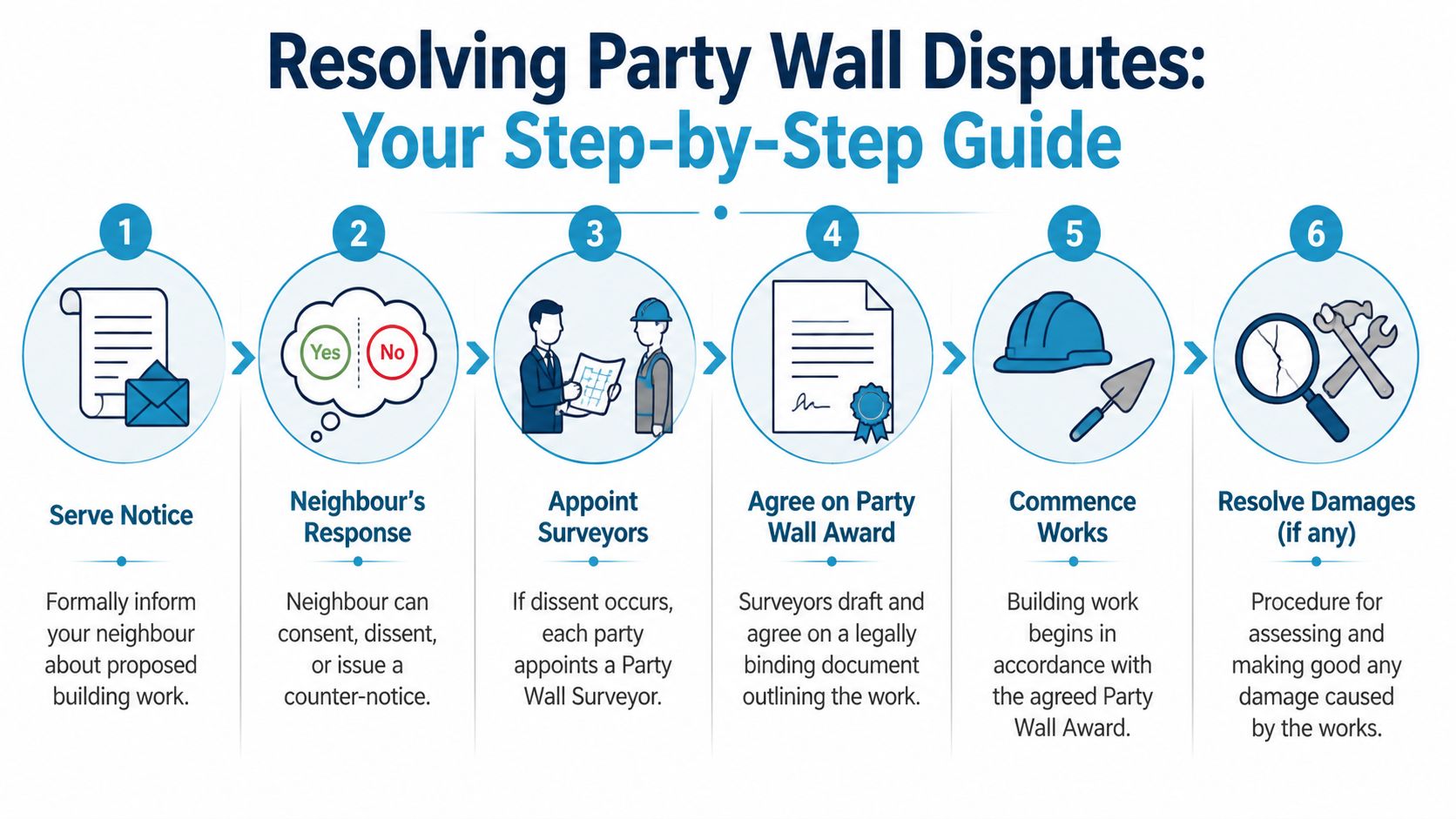
The first checkpoint is the notice itself. It should describe the proposed work clearly enough that the adjoining owner can understand what is planned and when it is likely to start.
From there, three things can happen. The adjoining owner can consent, dissent, or fail to reply within the statutory period. Dissent or no reply means a dispute is deemed to have arisen under the Act. That sounds dramatic, but in practice it triggers the surveyor appointment process.
A useful way to view it is this. The notice opens the file. The surveyor then manages the file so the building work can proceed with rules, records, and a method for dealing with risk.
There are two appointment routes, and the right one depends on the job and the relationship between neighbours.
An Agreed Surveyor acts for both owners in a neutral statutory role. As noted in Lodders’ party wall dispute insights, this can be quicker and cheaper in the right case. The other route is for each owner to appoint their own surveyor, with those surveyors then administering the matter together.
In practical terms:
If you are budgeting at this stage, it helps to understand average party wall surveyor and award costs before appointments are made.
Before works begin, the surveyor will usually inspect the adjoining property and prepare a Schedule of Condition. This is a written and photographic record of what is already there.
It works like a time-stamped snapshot. Hairline cracks, loose plaster, sloping floors, marked decorations, and any other visible issues are logged before the first tool comes out. That record protects both sides. The building owner is less likely to be blamed for old defects, and the adjoining owner has a baseline if new damage appears.
This step often settles future arguments before they start.
The Party Wall Award is the document that sets the rules of the job. It is prepared by the appointed surveyor, or by the two appointed surveyors acting together.
Homeowners sometimes assume an Award is a permission slip. It is better understood as a working rulebook. It records the works covered by the Act, the drawings relied on, the hours and manner of working where relevant, access arrangements, protective measures, and the process for dealing with any damage.
A well-drafted Award should answer the practical questions that cause friction on site, such as:
Where losses become disputed beyond ordinary making good, specialist input can sometimes be needed from Lighthouse Consultants.
Surveyors do not have to agree on every point at the first attempt. The Act includes a built-in way to resolve deadlock. A Third Surveyor is selected at the outset or shortly after appointments, and either surveyor can refer a disputed point to that person for a decision.
For a first-time renovator, this is one of the most reassuring parts of the system. You are not expected to argue engineering details, crack causation, or excavation sequencing across the garden fence. The surveyors deal with those points within the statutory procedure, and the Third Surveyor is there if they cannot reach a joint view.
That is the true path to resolution. Notice, appointment, inspection, Award, then a clear route for any disagreement that remains.
People often focus on the surveyor’s fee and miss the bigger picture. The actual cost of party wall disputes usually comes from mistakes, delay, rework, and damage that could have been prevented.
Industry figures show how quickly the numbers can move. Hourican Associates’ analysis of party wall costs states that unauthorised work averages £8,000, structural damage reaches £12,000, and delays from disputes cost approximately £5,000.
That same analysis also notes additional estimated costs for incorrect notices at £2,000 and poor documentation at £3,000, plus a case in which failure to serve proper notice led to £4,223.49 in compensation and £4,630 in surveyor fees. Those figures are a reminder that procedural errors can be expensive even before major damage is alleged.
| Issue Type | Average Estimated Cost |
|---|---|
| Unauthorised work | £8,000 |
| Structural damage | £12,000 |
| Delays from disputes | £5,000 |
| Incorrect notices | £2,000 |
| Poor documentation | £3,000 |
If a dispute becomes financially complex, especially where delay, remedial work, or loss allocation is being argued, specialist support such as forensic accounting for property disputes from Lighthouse Consultants can help parties understand and evidence the monetary side more clearly.
For homeowners trying to budget early, this guide to average party wall surveyor costs and Party Wall Award costs is a practical companion to the risk figures above.
The monetary figures only tell part of the story. Delay affects contractor sequencing, material deliveries, access arrangements, and personal plans such as moving back into the property by a certain date. Once a project slips, costs often spread into other parts of the build.
Poor records make that worse. If notices are defective, drawings are unclear, or no condition schedule exists, each later disagreement takes longer to unravel. Surveyors then spend time reconstructing facts instead of managing risk.
The cheapest party wall job is rarely the one with the lowest fee. It’s the one that prevents the expensive argument.
You have plans drawn up, the builder is asking for dates, and then a neighbour raises concerns. At that point, the right surveyor does two jobs at once. They explain the process in plain English, and they keep a technical issue from turning into a personal argument.
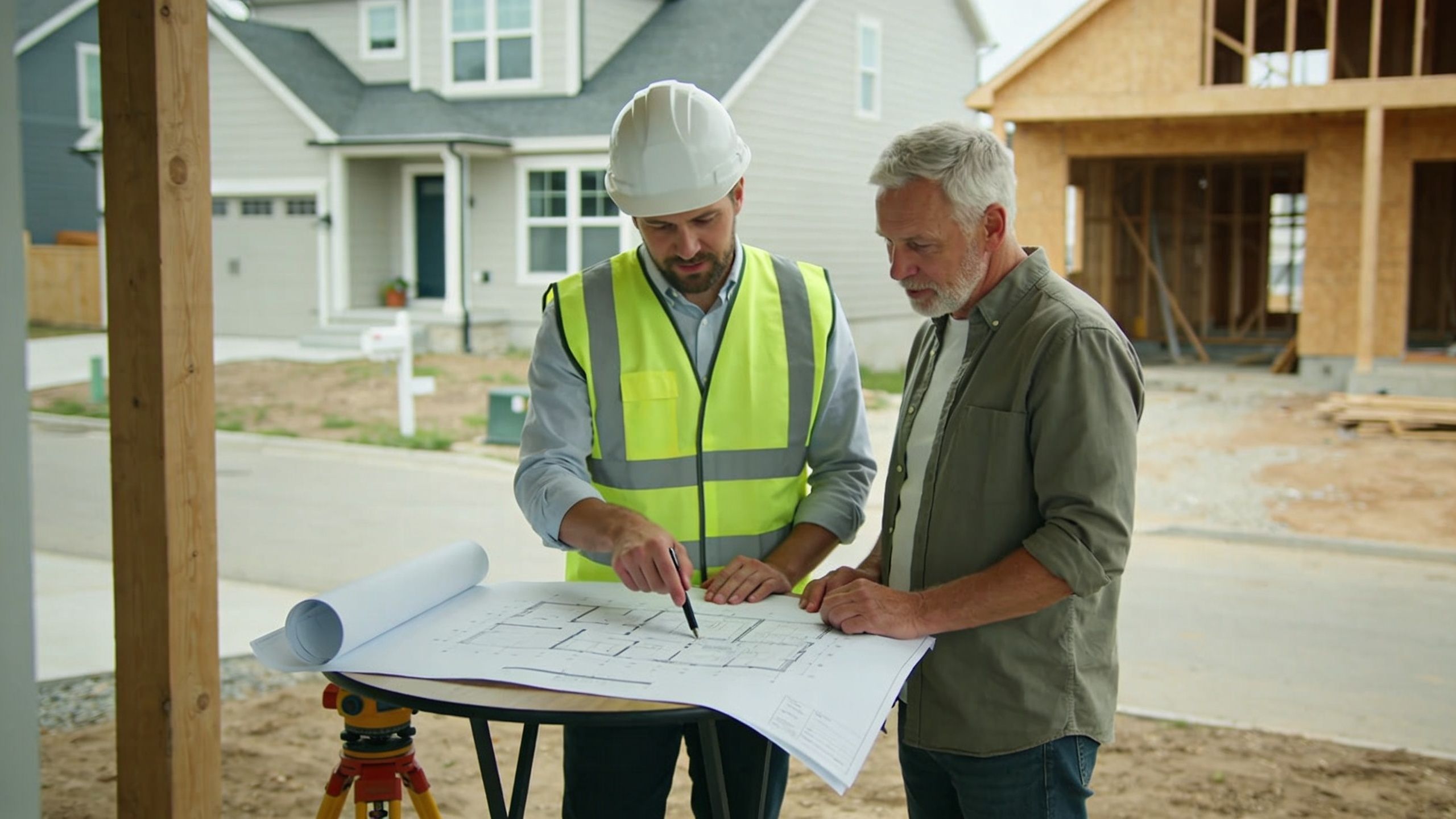
A good party wall surveyor is not just there to issue paperwork. They should first work out where you are in the process. Have notices already been served. Are the drawings detailed enough. Is the adjoining owner worried about access, cracking, or basement risk. Those early checks matter because they shape the route to a smooth Award, much like a site inspection tells a contractor what needs attention before work starts.
Choose on fit and experience, not just speed of reply.
It also helps to ask how they usually work through a dispute. For example, do they inspect early, prepare a proper schedule of condition, and explain likely points of concern before positions harden. That is often the difference between a controlled process and an argument that keeps growing.
Once appointed, give your surveyor a full set of information. Send the drawings, structural engineer's details, proposed start dates, and any messages already exchanged with the neighbour. Half the job is diagnosis. If your surveyor only sees part of the picture, they may spend time correcting avoidable problems instead of progressing the Award.
Keep your own approach steady as well. A party wall dispute is rarely "won" by pressing harder. It is usually resolved by recording the condition properly, agreeing how the work will be done, and setting out protections both sides can live with.
A short video can also help clarify how the process works in practice:
If you are speaking to surveyors for the first time, ask one simple question before anything else: "What would you do in the first seven days of this instruction?" An experienced surveyor should be able to answer that clearly. That step-by-step answer often tells you more than the fee quote.
Not solely because they dislike the project. The key issue is whether the works fall within the Act and whether the proper process has been followed. If notices are served correctly and any dispute is handled through surveyors, the matter usually moves towards an Award rather than a blanket prohibition.
Problems arise when owners begin without following the process. That can expose the project to injunction risk and wider conflict.
Leasehold cases are one of the most misunderstood areas. The government publication on preventing and resolving party wall disputes highlights that leasehold properties make up over 40% of UK housing stock, and there has been a 25% rise in leasehold-related party wall referrals in recent years.
The practical difficulty is authority. A leaseholder may want to carry out works, but the lease may require freeholder consent first. There can also be confusion over who should serve notices and who pays the surveyors’ costs. If you own leasehold, your surveyor should review the lease position early rather than treating it like a straightforward freehold case.
It depends on the job and the relationship between the parties. One surveyor can work well for simpler matters where both sides accept a neutral professional. Separate surveyors are often better where the works are structurally involved or there is already mistrust.
Neither route is automatically “right”. The right route is the one that fits the risk and keeps confidence in the process.
An Award is binding, but that doesn’t mean every unhappy party has a good basis to challenge it. In practice, challenges tend to focus on procedure rather than simple disagreement with the outcome. If you think something has gone wrong, get legal or surveying advice quickly and keep the relevant dates and documents in order.
The best way to avoid that stage is still the same old-fashioned combination. Proper notice, careful records, and a surveyor who explains things clearly.
If you’re dealing with proposed works near a shared wall, planning a renovation, or responding to a notice from next door, Survey Merchant can help you find a suitable surveyor for the job so the matter is handled properly from the start.
Survey Merchant provides vetted RICS surveyors across 100+ UK locations at fixed fees:
→ Level 2 Home Survey (HomeBuyer Report)
→ Level 3 Building Survey (full structural survey)
→ RICS Red Book property valuations
→ Party wall surveyors — notices, awards & schedules of condition
→ Expert witness surveyors — CPR Part 35 reports for property disputes