We use cookies to improve your experience on our site, analyze site traffic, and assist in our marketing efforts. By clicking "Accept all," you agree to the storing of cookies on your device. You can choose to "Reject all" non-essential cookies. For more information, please read our Cookie Policy.
EWS1 Form Explained: 2026 Guide for UK Flat Owners
This 2026 guide explains what the EWS1 form is, when lenders ask for one, what the A1 to B2 ratings mean, who pays, how long it lasts, and what the new RICS cladding standard and Remediation Acceleration Plan mean for flat owners.
If you own, are buying, or are selling a flat in the UK, there is a good chance you have come across the EWS1 form. Few documents cause more confusion – or more stalled sales – than this one-page external wall certificate. In this 2026 guide, we explain what the EWS1 form is, when it is genuinely required, what the ratings mean for your mortgage, who pays for it, and how the latest RICS and government changes affect flat owners this year.
What is an EWS1 form?
An EWS1 form (External Wall System form) is a standardised document that records a fire safety assessment of a residential building’s external walls, including cladding, insulation and balconies. Introduced in December 2019 by RICS, UK Finance and the Building Societies Association after the Grenfell Tower fire, it is used by valuers and mortgage lenders to decide whether a flat can be lent against.
One crucial point is often missed: the EWS1 is not a fire safety certificate and it is not a legal requirement. RICS is explicit that the form exists for valuation and lending purposes only, and that it does not replace a professional fire risk assessment. One form covers the entire building – individual leaseholders do not obtain their own – and it is typically commissioned by the freeholder, right-to-manage company or managing agent.
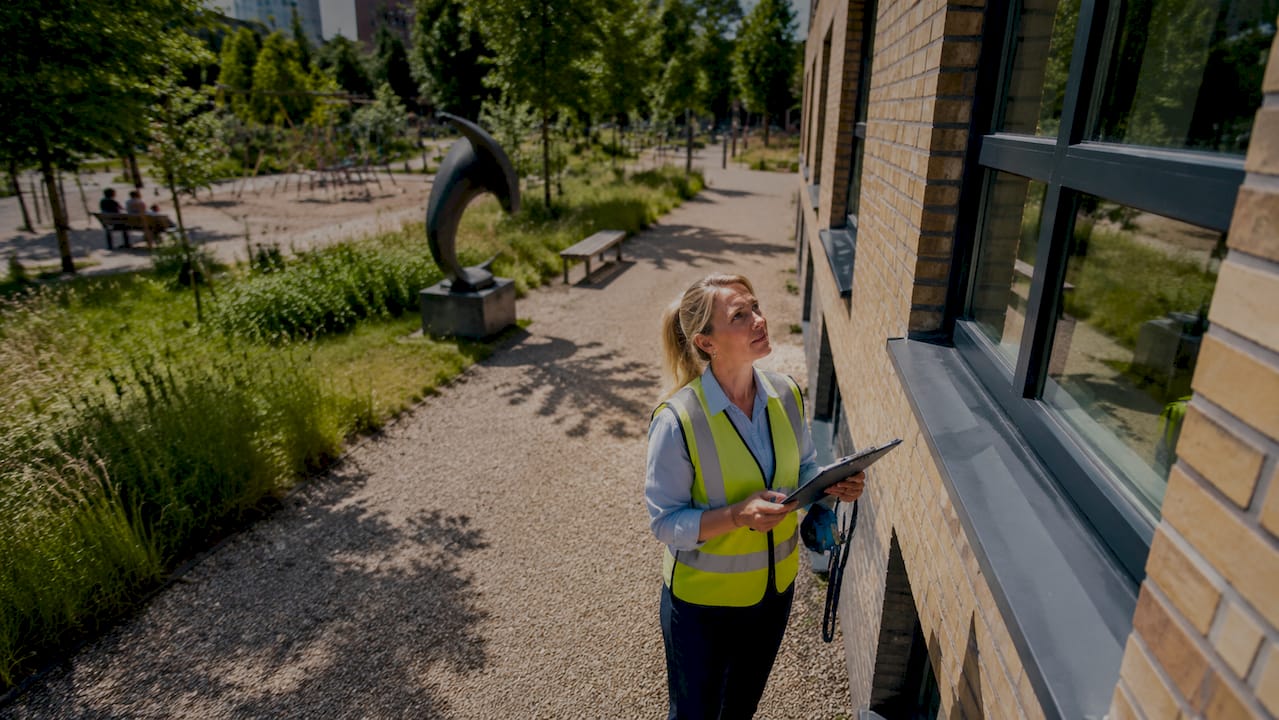
An EWS1 assessment looks at the whole external wall system: cladding panels, insulation, fire breaks and balconies.
Key takeaways
The EWS1 form confirms the fire safety status of a building’s external wall system for valuation and mortgage lending – it is not a legal requirement or a fire safety certificate.
Buildings over 18 metres with cladding or balconies are most likely to need one; buildings of 11–18 metres only where risk factors are present; buildings under 11 metres generally do not.
A B2 rating means remedial work is needed and will usually block mortgage lending until remediation is evidenced; A1–A3 and B1 ratings are generally acceptable to lenders.
From 1 November 2026, the second edition of the RICS cladding valuation standard applies clearer, storey-based criteria for when valuers should request an EWS1, and allows a FRAEW (PAS 9980) summary to be used instead in some cases.
Under the Government’s Remediation Acceleration Plan, buildings over 18 metres in government-funded schemes must be remediated by the end of 2029, and 11–18 metre buildings by the end of 2031.
Qualifying leaseholders are protected from cladding remediation costs under the Building Safety Act 2022.
When is an EWS1 form required in 2026?
Not every block of flats needs an EWS1 form, and one of the biggest problems of the early years was over-requesting. The current position, reflecting government guidance and lender practice, is broadly as follows:
Buildings over 18 metres (usually 7+ storeys): an EWS1 is likely to be requested where the building has cladding, rendered and insulated walls, or balconies with combustible materials.
Buildings between 11 and 18 metres: an EWS1 should only be needed where specific risk factors are present, such as significant combustible cladding or stacked balconies.
Buildings under 11 metres: following 2022 government guidance, an EWS1 is generally not required, and most lenders will not ask for one.
Buildings with Aluminium Composite Material (ACM), Metal Composite Material (MCM) or High-Pressure Laminate (HPL) panels – the materials most associated with fire spread – are the most likely to need assessment regardless of precise height. If you are unsure what your building’s external walls are made of, a professional building survey is a sensible starting point.
What changes from November 2026: the new RICS standard
On 12 May 2026, RICS published the second edition of its professional standard Secured lending valuation of properties in multi-storey, multi-occupancy residential buildings with cladding, effective from 1 November 2026. The updated standard tells valuers to request an EWS1 only where there is a clear rationale, using proportionate criteria based on storey height, visible cladding, curtain wall glazing and balcony configurations – with different thresholds for buildings over six storeys, buildings of five or six storeys, and buildings of four storeys or fewer. Importantly, it also confirms that a suitable executive summary from a FRAEW (Fire Risk Appraisal of External Walls under PAS 9980) may be relied upon instead of an EWS1 in some circumstances, provided it gives a clear outcome and is signed by a suitably qualified professional. The aim is fewer unnecessary EWS1 requests and faster transactions for buyers, sellers and remortgaging owners.
EWS1 ratings explained: what A1 to B2 mean
The EWS1 form has two routes. Option A applies where the external walls are unlikely to contain combustible materials in significant quantities; Option B applies where combustible materials are present. Each route ends in a rating:
Rating
What it means
Typical mortgage impact
A1
No significant combustible material in the external walls
Lending normally proceeds
A2
Appropriate risk assessment carried out; no remediation needed
Lending normally proceeds
A3
Minor attachments (e.g. balconies) may need remediation, but no significant fire risk
Lending usually proceeds, sometimes with conditions
B1
Combustible materials present, but fire risk is sufficiently low that no remediation is required
Lending usually proceeds
B2
Combustible materials present and remediation is required
Lending usually declined or heavily restricted until remediation is evidenced
A B2 rating is the outcome flat owners fear, because it usually makes a property difficult to sell or remortgage until remediation is complete or funded. If your building has a B2 rating, the key documents become the remediation plan, funding confirmation and – for leaseholders – the Leaseholder Deed of Certificate evidencing protection under the Building Safety Act 2022. An independent RICS-regulated valuation can help you understand what a rating means for your property’s value.
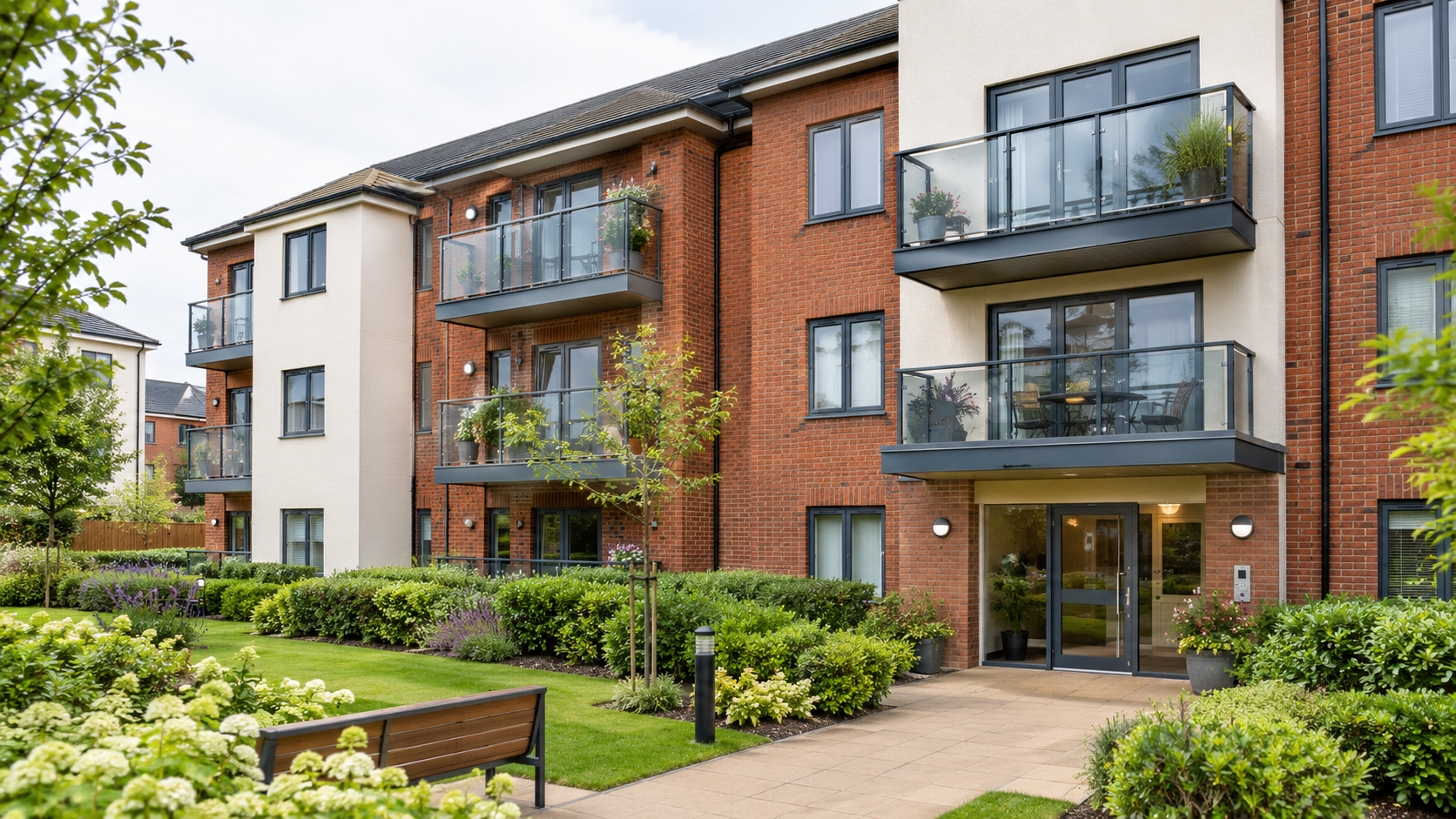
Before buying a flat, review the EWS1 rating alongside the lease, service charge accounts and the building’s fire risk assessment.
How much does an EWS1 form cost, and who pays?
Because the EWS1 covers the whole building, the freeholder, right-to-manage company or managing agent commissions it – not individual flat owners. Commonly reported costs range from around £6,000 to £20,000 per building, depending on height, complexity and whether intrusive investigation of the wall build-up is needed. Where combustible materials are suspected, the assessor may need samples opened up, which adds cost and time.
Individual leaseholders may see a share of the cost passed through the service charge where the lease and legislation allow, but under the Building Safety Act 2022, qualifying leaseholders cannot be charged for cladding remediation works themselves. If you are buying, your conveyancer should obtain the building’s EWS1 (if one exists), the fire risk assessment and, where relevant, a Leaseholder Deed of Certificate. Our guide to buying a leasehold property explains these documents in more detail.
How long is an EWS1 form valid?
EWS1 forms were given a nominal five-year validity when the scheme was designed in 2019, on the assumption that affected buildings would be remediated within that period. With many early forms now past that anniversary, the April 2025 update to the UK Finance industry statement is significant: major lender signatories – including Barclays, HSBC, Lloyds, Nationwide, NatWest and Santander – pledged not to require wholesale reviews of EWS1 forms that are more than five years old. In practice, an older form can often continue to be used in a mortgage application, subject to individual lender policy, and lenders may alternatively accept a FRAEW or evidence of a building’s inclusion in a recognised remediation scheme.
EWS1 forms and your mortgage: what lenders expect
Since January 2023, following RICS valuation guidance, lenders have been able to consider mortgage applications on flats in buildings of 11 metres and over even where cladding issues exist – provided there is evidence that the building will be self-remediated by the developer, is covered by a recognised government scheme (the Developer Remediation Contracts, the Cladding Safety Scheme or the Building Safety Fund), or that the leaseholder is protected under the Building Safety Act, evidenced by a Leaseholder Deed of Certificate.
For buyers, this means a missing or unfavourable EWS1 is no longer an automatic dead end – but the paperwork matters enormously, and so does the valuation. A mortgage valuation on a flat with cladding will take the building’s remediation status into account, so having the right evidence assembled before you apply can save weeks. If a survey or valuation raises concerns, an RICS surveyor can help you interpret the findings and negotiate accordingly.
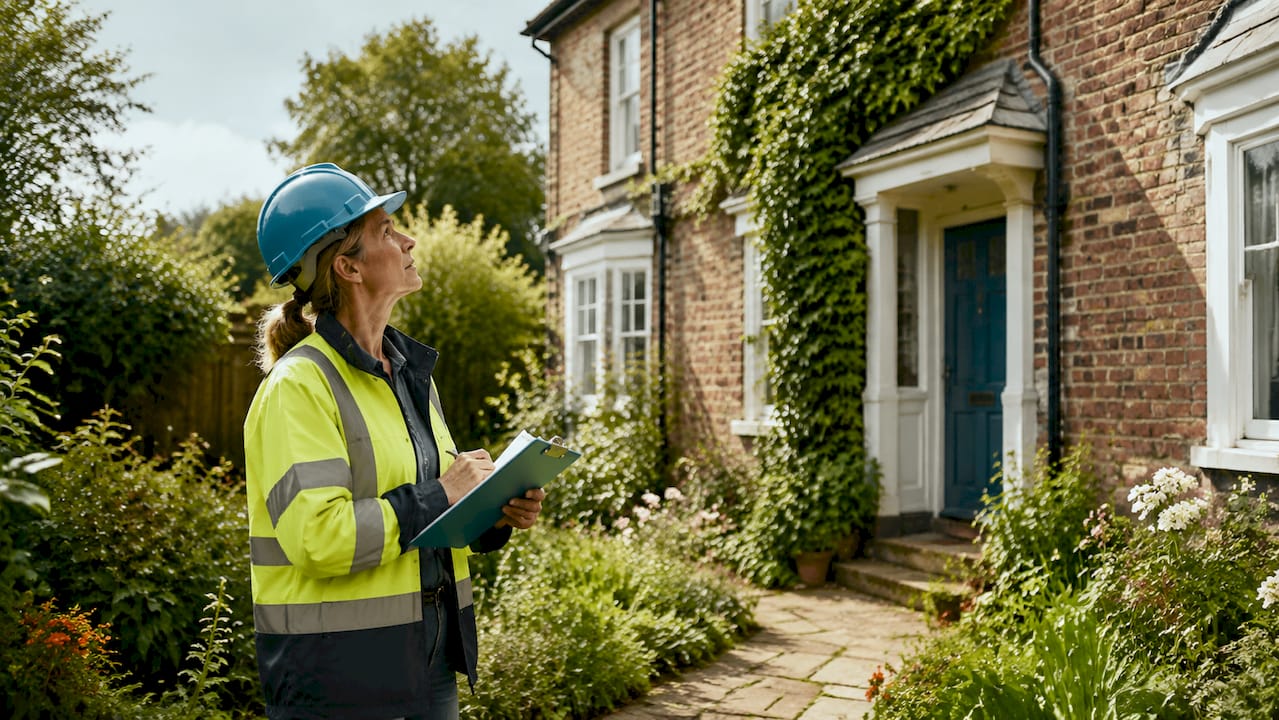
A suitably qualified, accredited surveyor can advise on how a building’s EWS1 status affects value, lending and saleability.
Cladding remediation in 2026: deadlines and funding
The wider context for EWS1 forms is the Government’s push to finish cladding remediation. Under the Remediation Acceleration Plan, updated in July 2025, buildings over 18 metres in government-funded schemes must be remediated by the end of 2029, and buildings of 11–18 metres by the end of 2031, with landlords facing legal obligations and penalties under a planned Remediation Bill. The update committed over £1 billion in additional funding, and the new Building Safety Levy on developers takes effect from 1 October 2026. For flat owners in affected blocks, these deadlines matter: the closer a building is to funded, scheduled remediation, the easier it becomes to sell, remortgage and insure.
Who can complete an EWS1 form?
An EWS1 form can only be signed by a suitably qualified and experienced fire safety professional with appropriate professional indemnity insurance – typically a chartered fire engineer or a chartered surveyor who has completed recognised EWS assessment training. This is a specialist discipline: it is not something a general residential surveyor signs off during a homebuyer survey.
More broadly, whenever cladding, fire safety or valuation issues affect your property, the safest course is to use a suitably qualified, accredited surveyor – professionals regulated or accredited by recognised UK bodies such as RICS, CIOB and RPSA. Accreditation means enforceable professional standards, complaint procedures and insurance behind the advice you receive. Our guide to surveyor accreditation explains what these designations mean in practice.
Why choose Survey Merchant for your EWS1 and cladding advice?
Navigating EWS1 forms, cladding ratings and lender requirements is exactly the kind of situation where impartial, accredited advice pays for itself. Survey Merchant is a strong choice because:
Accredited panel matched to the job: our panel includes suitably qualified surveyors regulated or accredited by bodies such as RICS, CIOB and RPSA, so your case is matched to a professional with the right specialism – whether that is a flat valuation, a building survey or specialist cladding advice.
Nationwide UK coverage: from London to Belfast, Edinburgh to Cardiff, we arrange surveys and valuations across the country with local knowledge of the building stock.
Fast turnaround and transparent fixed fees: competitive quotes agreed up front, with no surprises.
Impartial, end-to-end support: your surveyor works for you, not the seller or the lender, and we help you interpret findings and next steps – including how an EWS1 rating affects price negotiation, lease extension or remortgage plans.
An EWS1 (External Wall System) form is a standardised document, introduced in December 2019 by RICS, UK Finance and the Building Societies Association, that records a fire safety assessment of a residential building's external walls, including cladding, insulation and balconies. It is used by valuers and mortgage lenders, not as a fire safety certificate.
When is an EWS1 form required?
Broadly, an EWS1 may be requested for buildings over 18 metres with cladding or balconies, and for buildings of 11 to 18 metres only where specific risk factors are present. Buildings under 11 metres generally do not need one. From 1 November 2026, the second edition of the RICS standard applies storey-based criteria to reduce unnecessary requests.
Who can complete an EWS1 form?
Only a suitably qualified and experienced fire safety professional with appropriate professional indemnity insurance can sign an EWS1 form, for example a chartered fire engineer or a chartered surveyor who has completed recognised EWS assessment training. One form covers the whole building and is commissioned by the freeholder or managing agent.
How long is an EWS1 form valid?
An EWS1 form is nominally valid for five years. Under the April 2025 update to the UK Finance industry statement, major lenders have pledged not to require wholesale reviews of EWS1 forms that are more than five years old, so older forms can often still be used in a mortgage application, subject to individual lender policy.
How much does an EWS1 form cost and who pays?
The assessment is commissioned for the whole building by the freeholder, right-to-manage company or managing agent, with commonly reported costs ranging from around £6,000 to £20,000 depending on the building's size and complexity. Individual leaseholders do not commission their own EWS1, though costs may be passed on through service charges where the law allows.
Is an EWS1 form a legal requirement?
No. The EWS1 form is not a legal requirement and is not a fire safety certificate. It exists purely for valuation and mortgage lending purposes. RICS advises that buyers and their legal advisers should also ask for the building's fire risk assessment, which is the document that deals with life safety.