Expert Witness
Sep 16, 2026
What Does an Expert Witness Do? Role in Property Disputes
The expert witness role explained: duty to the court, work products, where they enter a dispute and what they cost.

Here's the fact that surprises everyone who instructs one: an expert witness does not work for you — even though you pay them. Their overriding duty, under Part 35 of the Civil Procedure Rules, is to the court. Understanding that single point explains everything else about what an expert witness does, why their evidence carries weight, and how to use one well in a property dispute.
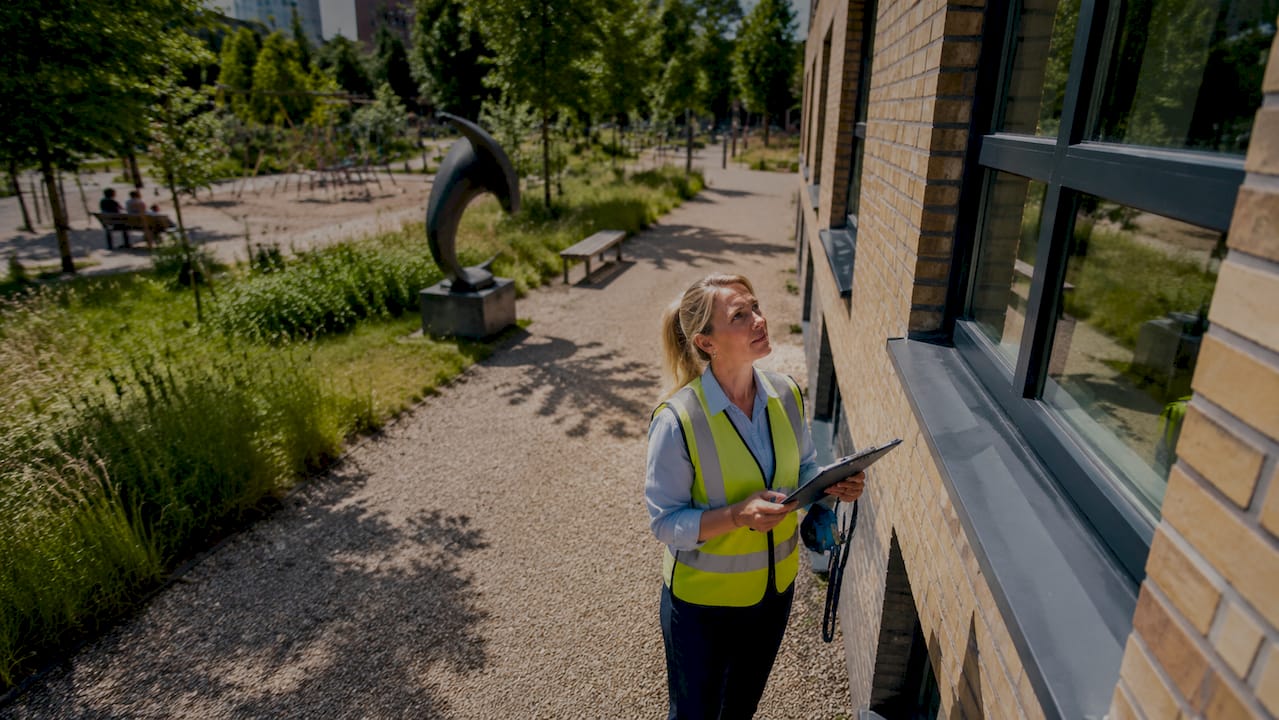
An expert witness is a qualified specialist — in property disputes, usually an expert witness surveyor — who examines the technical questions in a case (what caused this defect? what is this property worth? was this work competent?) and gives the court an independent, evidenced opinion. They are not an advocate: your solicitor argues your case; the expert tells the truth about the technical facts, whichever way it cuts. Paradoxically, that independence is what makes a favourable expert opinion so powerful.
1. The Part 35 report — the centrepiece: qualifications, evidence examined, the range of reasonable opinion, conclusions, and the declarations to the court (full anatomy in our CPR Part 35 report guide). 2. Answers to written questions — each party may put clarifying questions once. 3. The joint statement — where both sides have experts, the two meet and record what they agree and dispute, often collapsing the case to one or two real issues. 4. Oral evidence — testimony and cross-examination at trial; in practice rare, because most matters settle on the reports.
Pre-action: an early advice report tests whether a claim has merit — the cheapest point to learn bad news. On directions: the court orders expert evidence, either party-appointed or as a Single Joint Expert shared by both sides. Pre-repair: in defect cases, before remedial work destroys the evidence — the timing rule that decides more building disputes than any other (see when to hire an expert witness).
Straightforward property matters: £5,000–£15,000; complex multi-issue litigation more; SJE appointments split between the parties. Success-based fees are prohibited — an expert paid on results is worthless to the court. Full figures in our expert witness cost guide.
Match the discipline to the dispute: a building surveyor for defects, a Registered Valuer for valuation disputes, a party wall specialist for section 10 matters — through our panel, one instruction covering construction expert witness work and teams in London, Leeds, Guildford and Surrey.
Need expert evidence? Request a matched CV and fixed fee quote within 24 hours → contact us.
Survey Merchant provides vetted RICS surveyors across 100+ UK locations at fixed fees:
→ Level 2 Home Survey (HomeBuyer Report)
→ Level 3 Building Survey (full structural survey)
→ RICS Red Book property valuations
→ Party wall surveyors — notices, awards & schedules of condition
→ Expert witness surveyors — CPR Part 35 reports for property disputes