Building Surveying
Jul 16, 2026
What Causes Damp in a House? The 3 Types Explained
The three types of damp, how to tell them apart, and why independent diagnosis beats a free survey from a damp-proofing company.

Damp in a house comes in three types — and identifying the wrong one is the most expensive mistake in home maintenance, because each has a completely different cure. Here's how to tell condensation, penetrating damp and rising damp apart, and why the diagnosis is worth more than the treatment.
Signs: black mould in corners, on cold external walls, around windows and behind furniture; streaming windows on cold mornings; musty bedrooms. Cause: everyday moisture — cooking, showers, drying clothes — meeting cold surfaces in under-ventilated rooms. Cure: ventilation, heating balance and extraction — not tanking, not injection. Condensation is the cheapest damp to fix and the most frequently mis-sold.
Signs: localised patches that darken after rain, often at chimney breasts, below windows, or on walls facing the weather; isolated ceiling stains. Cause: water getting in — failed pointing or render, cracked gutters and downpipes, roof and flashing defects, bridged cavities. Cure: fix the entry point; the damp dries once the leak stops.
Signs: a tide-mark up to roughly a metre from the floor on ground-floor walls, salts blooming on plaster, skirting decay. Cause: ground moisture rising where a damp-proof course has failed or been bridged. Reality check: genuine rising damp is far less common than the damp-proofing industry suggests — many “rising damp” diagnoses are actually condensation, bridged DPCs from raised ground levels, or leaking pipes.
A “free damp survey” from a company that sells damp-proofing has an obvious incentive problem: the cure they find tends to be the one they sell. Chemical injection into a wall whose real problem is a leaking gutter costs £1,500–£3,000 and fixes nothing. An independent damp inspection from a surveyor with nothing to install costs a few hundred pounds and tells you the truth — which is why lenders and buyers trust it. Buying a house where the survey flagged damp? Don't panic and don't skip — read what survey red flags actually matter, then diagnose before you renegotiate.
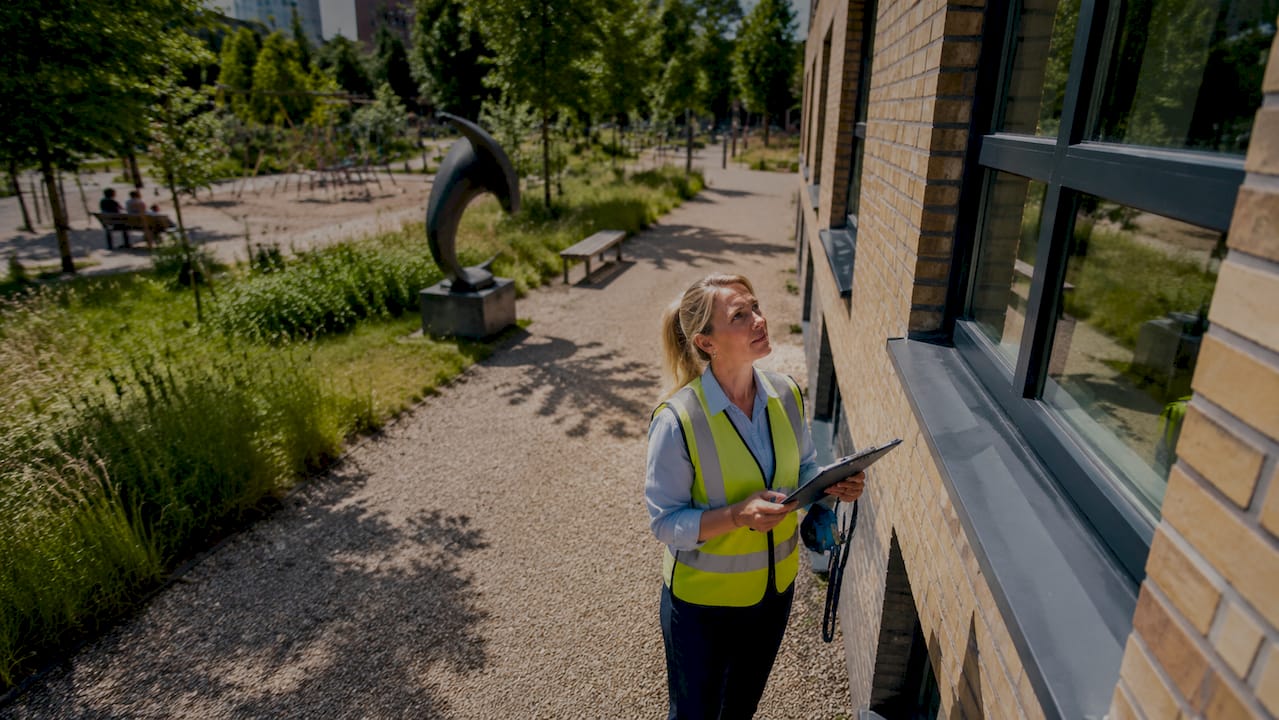
A specific defect report targets the damp directly: moisture profiling, cause, cure and costs, in days. As part of a purchase, a Level 2 home survey includes damp readings throughout. And where damp is someone else's fault — a neighbour's leak, a builder's defective work — our expert witness surveyors provide the evidence that resolves liability.
Get an independent damp diagnosis — no products to sell, just the answer. Fixed fee → get a quote · 0204 579 8270.
Survey Merchant provides vetted RICS surveyors across 100+ UK locations at fixed fees:
→ Level 2 Home Survey (HomeBuyer Report)
→ Level 3 Building Survey (full structural survey)
→ RICS Red Book property valuations
→ Party wall surveyors — notices, awards & schedules of condition
→ Expert witness surveyors — CPR Part 35 reports for property disputes