Building Surveying
Aug 2, 2026
Nervous About Your House Survey? What Surveyors Look For — and the Red Flags That Matter
What surveyors actually check, the red flags on a house survey that genuinely matter, and what happens after a bad report.

Feeling nervous about your house survey is completely normal — whether you're the buyer waiting on the report or the seller waiting for the buyer's reaction. Here's the reassuring truth from surveyors who write these reports every day: almost every survey finds something, most findings are routine maintenance, and the report exists to inform your decision, not to kill the sale.
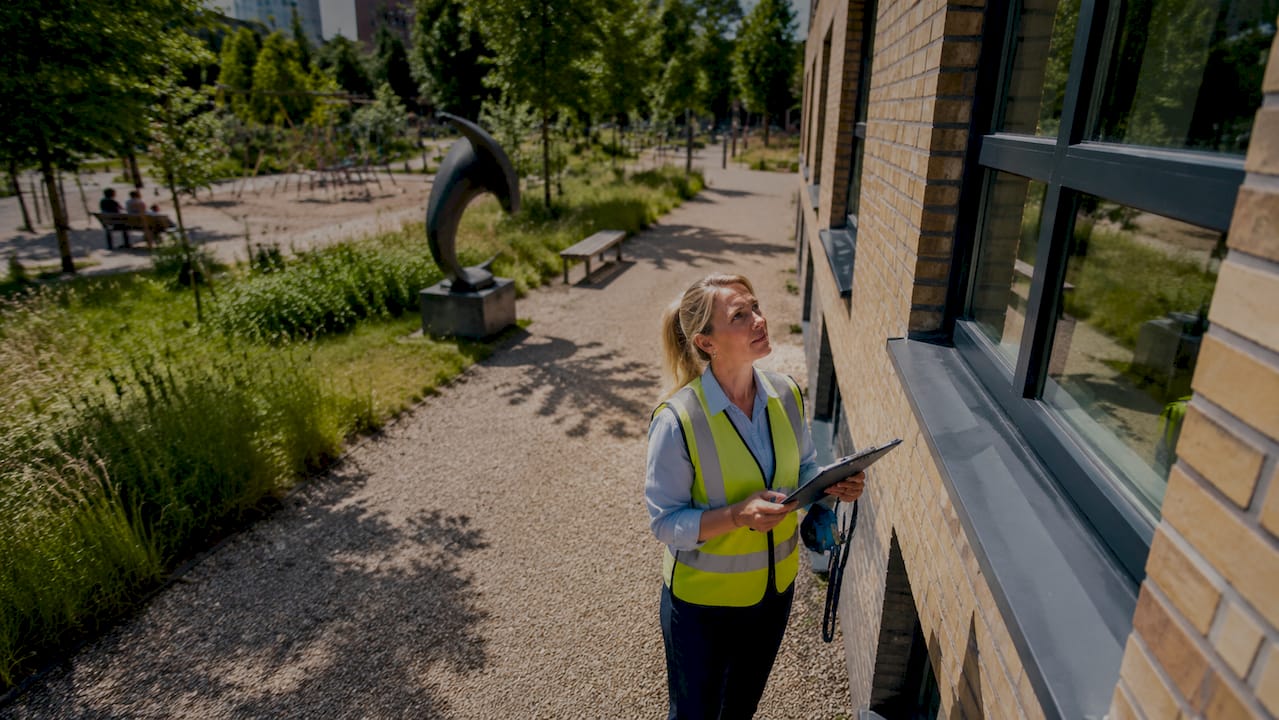
For a Level 2 home survey, the surveyor spends one to two hours inspecting from roof to floor — roof coverings, walls, damp readings, floors, windows, visible services — and rates every element green, amber or red. A Level 3 Building Survey goes deeper into the structure and explains the cause of each defect. Neither involves ripping up carpets or drilling holes: it is a visual, non-invasive inspection.
A handful of findings deserve real attention because they carry real cost: structural movement that is active (not historic settlement — surveyors can usually tell the difference), roof coverings at the end of their life, significant damp with an unresolved cause, dangerous electrics or gas flagged for urgent specialist checks, and Japanese knotweed within seven metres. These are the “red” ratings that justify pausing, investigating further — or renegotiating.
Hairline cracks in plaster, dated wiring recommended for a check, minor damp readings near kitchens and bathrooms, old lofts with thin insulation, and the surveyor's standard “further investigation” wording on things they couldn't access — these appear in almost every report on almost every home. They are negotiating details, not disasters.
A bad survey is leverage, not a dead end. Buyers who renegotiate after an adverse report routinely recover several times the survey fee — our guide on renegotiating after a survey shows exactly how, with scripts. And if you genuinely can't tell whether a finding is serious, every Survey Merchant report includes a call with your surveyor — ask them directly; it's what the call is for.
Still choosing a survey? See which house survey you need or get a fixed survey quote →
Survey Merchant provides vetted RICS surveyors across 100+ UK locations at fixed fees:
→ Level 2 Home Survey (HomeBuyer Report)
→ Level 3 Building Survey (full structural survey)
→ RICS Red Book property valuations
→ Party wall surveyors — notices, awards & schedules of condition
→ Expert witness surveyors — CPR Part 35 reports for property disputes