Choosing the wrong survey, or the wrong surveyor, can cost you far more than the price of a thorough assessment. UK buyers have discovered structural defects, hidden damp, and failing roofs only after completion, leaving them with five-figure repair bills and no legal recourse. The good news is that a clear, step-by-step approach to property surveying removes most of that risk. This guide walks you through every stage, from selecting the right survey type to extracting maximum value from your final report, so you can make confident, well-informed decisions at every point in your property transaction.
Table of Contents
Key Takeaways
| Point |
Details |
| Survey type matters |
Choosing the correct RICS survey level protects you from hidden and costly defects. |
| Independent experts only |
Always hire a RICS-qualified, independent surveyor instead of relying on agent recommendations. |
| Prep for accuracy |
Preparing your property ensures the surveyor can carry out a full and effective inspection. |
| Use findings to negotiate |
A thorough survey report can become a powerful tool for negotiating your property purchase. |
| Complain if standards fall |
Do not hesitate to use RICS’s complaints procedure if your survey misses severe defects. |
Identify the right survey for your property
Not all surveys are created equal, and picking the wrong level is one of the most common mistakes UK buyers make. UK property surveys follow the RICS Home Survey Standard, which sets out three distinct levels, each with a different scope, depth, and price point. Understanding the difference before you commission anything is essential.
The RICS Home Survey Standard defines these three levels clearly:
- Level 1 (Condition Report): The most basic option. It gives a traffic-light rating of visible conditions and is best suited to new builds or recently refurbished properties in good order. Typical cost in 2026: £300 to £500.
- Level 2 (HomeBuyer Report): The most popular choice for conventional homes built after 1900. It includes a visual inspection, condition ratings, and advice on defects that may affect the property’s value. Typical cost: £400 to £900.
- Level 3 (Building Survey): The most thorough option, covering construction, materials, and all visible defects in detail. Recommended for older, extended, listed, or unusual properties. Typical cost: £700 to £1,500 or more.
Here is a quick comparison to help you decide:
| Survey level |
Best suited for |
Approximate 2026 cost |
Defect detail |
| Level 1 |
New builds, modern homes |
£300 to £500 |
Basic condition ratings |
| Level 2 |
Post-1900 conventional homes |
£400 to £900 |
Moderate, with advice |
| Level 3 |
Pre-1900, listed, extended |
£700 to £1,500+ |
Full structural detail |
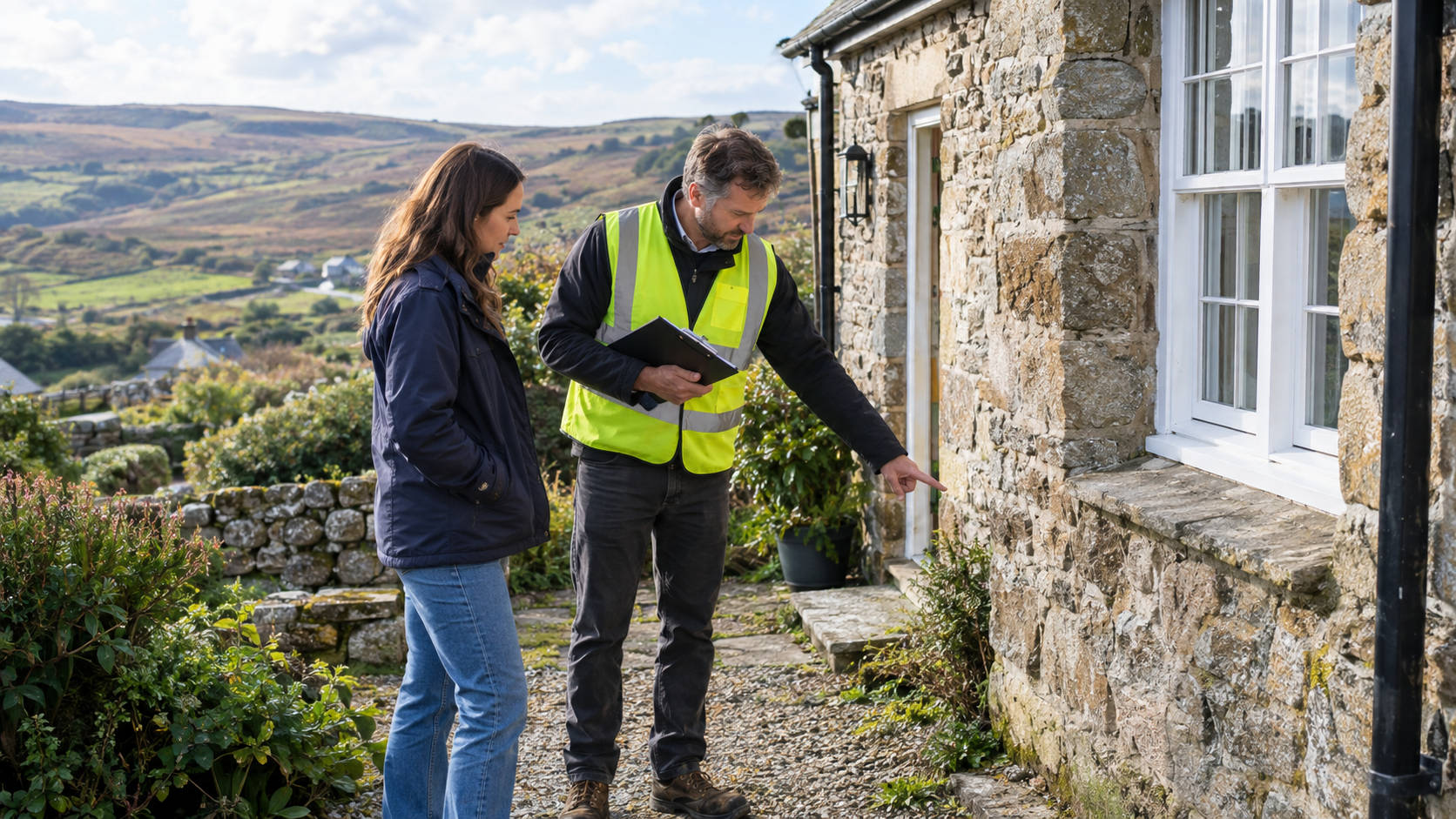
The guidance on choosing the right survey level is clear: match the survey to the property’s age, construction type, and condition rather than simply going for the cheapest option. A Level 2 survey may be perfectly adequate for a 1960s semi-detached in good repair, but it could miss critical structural issues in a Victorian terrace or a stone cottage with a history of alterations.
One point that catches many buyers off guard: a mortgage valuation is not a survey. It is carried out for the lender’s benefit, not yours, and it tells you almost nothing about the property’s actual condition. Never rely on it as a substitute for an independent inspection.
Pro Tip: If you are buying a new build, commission a snagging survey before you legally complete. Builders are obliged to fix defects identified before handover, and a professional snagging inspection routinely uncovers dozens of issues that would otherwise become your problem.
Engage a qualified, independent surveyor
After choosing a suitable survey type, the next step is finding the right professional to conduct it. This is where many buyers cut corners, and where the consequences can be most damaging.
Independence matters enormously. RICS-qualified surveyors should be engaged directly, not through your estate agent or mortgage lender. Both may have commercial relationships with surveying firms that create conflicts of interest. An agent-recommended surveyor, however well-intentioned, may be less inclined to produce a report that jeopardises a sale.
When searching for a surveyor, look for these qualifications:
- MRICS or FRICS designation: These are the gold-standard credentials awarded by the Royal Institution of Chartered Surveyors. Search the RICS directory to verify membership.
- RPSA membership: The Residential Property Surveyors Association is another respected professional body for residential surveyors.
- Relevant local experience: A surveyor familiar with your area and property type will spot region-specific issues such as mining subsidence, coastal erosion risk, or local construction methods.
Our RICS surveyor guidance recommends obtaining at least three quotes before committing. Ask each firm for a sample report so you can judge the quality of their written output. A thorough report should be detailed, property-specific, and written in plain English, not a generic template with tick boxes.
“A good surveyor will spend two to four hours on site for a Level 3 survey. If someone quotes you a two-hour visit for a Victorian terrace, that is a warning sign.”
Always arrange a follow-up call with your surveyor after the report is delivered. This gives you the chance to ask questions, clarify technical language, and understand which findings are urgent. The detail on how to choose a surveyor is worth reviewing before you make any commitment.
Pro Tip: High-volume, low-cost surveying firms often use templated reports that are filled in remotely using photographs rather than hands-on inspection. Ask your surveyor directly whether they will attend the property in person and how long they expect to spend there.
Prepare your property for a thorough survey
With your expert surveyor selected, it is crucial to enable a thorough assessment on inspection day. This applies whether you are the buyer arranging access or the seller presenting the property.
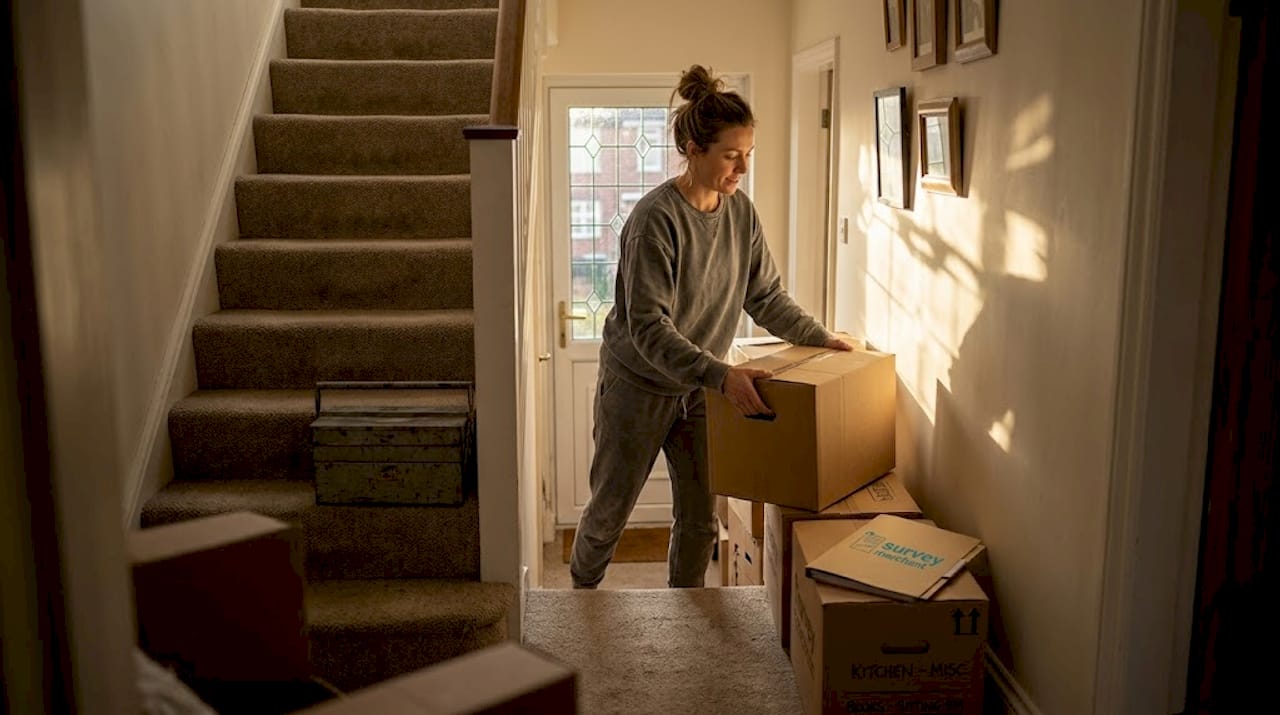
Property surveys are primarily visual inspections, which means anything that obstructs the surveyor’s line of sight or physical access can result in areas being left uninspected. That gap in the report could later become a gap in your legal protection.
Here is what to do before the surveyor arrives:
- Clear access to the loft hatch, under-stair cupboards, and any outbuildings.
- Move furniture away from walls so the surveyor can check for damp, cracking, or movement.
- Ensure all keys are available, including for garages, sheds, and meter cupboards.
- Remove pets from the property to avoid disruption.
- Leave the boiler on so the surveyor can test the heating system.
- Unlock any gates or side passages that give access to the exterior.
If you are the buyer, speak to the seller or their agent in advance and make this list of access requirements clear. A seller who understands why these steps matter is far more likely to cooperate.
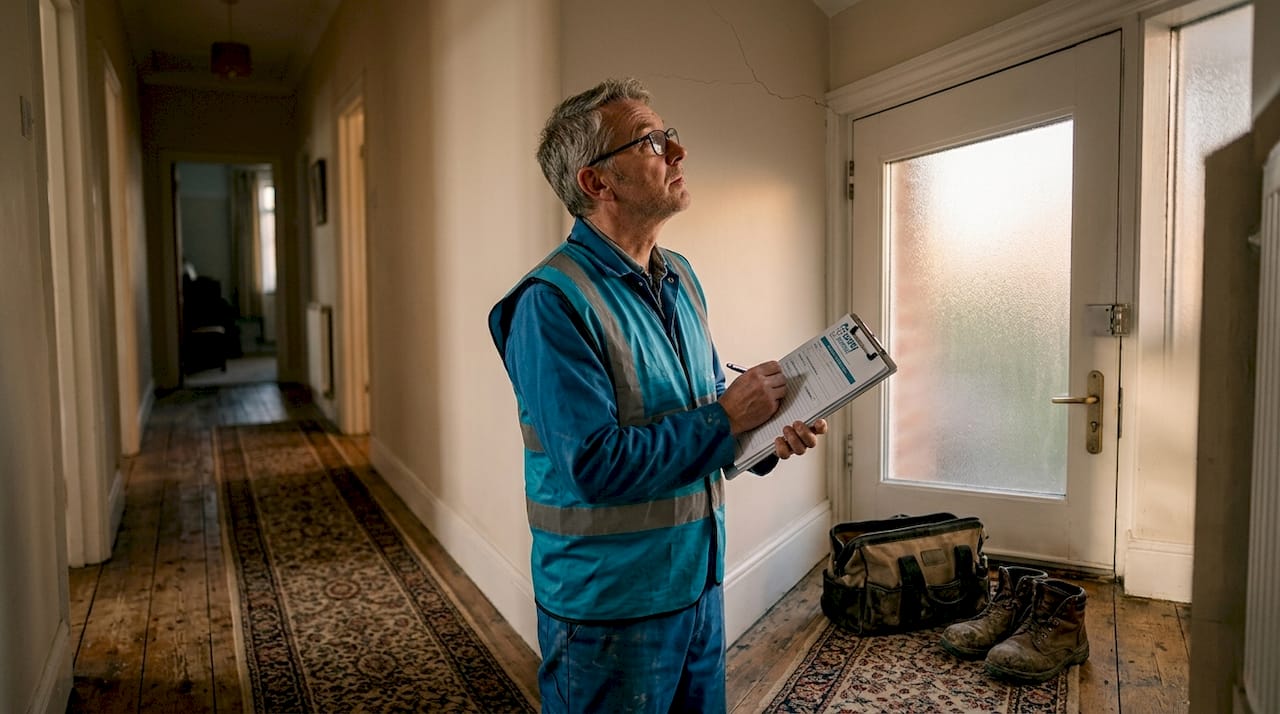
Critically, disclose any known issues to your surveyor before the inspection. If the roof was repaired three years ago, if there was a damp problem in the cellar, or if an extension was added without building regulations approval, tell the surveyor. This context helps them focus their attention and interpret what they find. Our guide on prepping for a survey covers this in practical detail.
“Surveyors cannot move furniture, lift floorboards, or open up walls. If an area is inaccessible, it will be noted as uninspected, which can create uncertainty during negotiations.”
Using a survey checklist before the inspection day ensures nothing is overlooked on either side of the transaction.
Maximise value from your survey report
With the survey completed and the report in hand, it is time to make your investment decisions count. Many buyers read their survey, feel overwhelmed by the findings, and then do nothing with the information. That is a missed opportunity.
Start by separating urgent issues from minor ones. Most survey reports use a condition rating system:
- Condition Rating 1: No repair needed at present.
- Condition Rating 2: Defects that need attention but are not urgent.
- Condition Rating 3: Serious defects requiring immediate action or further investigation.
Focus your energy on Condition Rating 3 items first. These are the findings that carry real financial risk and should inform your negotiation strategy. Post-survey negotiations can result in significant price reductions or the seller agreeing to carry out remedial work before completion.
Here is how to use your report effectively:
- Obtain independent quotes for all Condition Rating 3 repairs before going back to the seller.
- Present the quotes as evidence, not as leverage. A factual approach is more persuasive than an emotional one.
- Request a price reduction equivalent to the repair costs, or ask the seller to fix the issues prior to exchange.
- For specialist concerns such as damp, subsidence, or suspected asbestos, commission a specialist report before proceeding.
If you believe your surveyor missed a significant defect, the RICS complaints process provides a formal route for raising concerns. Start by writing to the surveying firm directly. If that fails to resolve the matter, escalate to RICS, which has the authority to investigate and impose sanctions.
Our article on common problems found in surveys gives a useful overview of the defects most likely to appear in UK properties, and our guide on negotiating with survey results explains exactly how to approach the conversation with sellers.
Conventional wisdom says you can save money by opting for a cheaper survey or skipping one altogether on a property that looks fine. Surveyors have seen this approach backfire repeatedly, and the numbers tell the story.
Buyers who skip surveys to save a few hundred pounds regularly encounter post-purchase repair bills running into tens of thousands. A failing roof, undisclosed subsidence, or outdated electrics can each cost more to fix than the entire purchase process combined. The survey fee is not a cost. It is insurance.
What is often underestimated is the negotiation value of a thorough report. Buyers who commission proper Level 3 surveys on older properties consistently achieve better purchase prices, because they have documented evidence of defects that the seller cannot easily dispute. The survey pays for itself before you even move in.
Independence and quality standards matter more than ever in 2026. The surveying market has expanded rapidly, and not all firms maintain the rigour that RICS standards demand. Choosing an independent surveying service with verified credentials is the single most effective way to ensure your assessment is genuinely useful rather than a box-ticking exercise.
Work with trusted professionals for your next survey
Applying these best practices starts with having the right team behind you. Survey Merchant’s RICS surveyors are matched to your property type, location, and specific requirements, ensuring you receive an assessment that is thorough, impartial, and genuinely actionable.
Whether you are purchasing a Victorian terrace, a modern flat, or a rural property with complex construction, our panel of RICS-accredited professionals follows the exacting standards outlined in this guide. From Level 2 HomeBuyer Reports to full Level 3 Building Surveys, we connect you with surveyors who take their time, write detailed reports, and remain available to discuss their findings. Our Liverpool property surveyors are just one example of the regional expertise available across our network. Request a quote today and protect your investment from the outset.
Frequently asked questions
What is the main difference between a mortgage valuation and a property survey?
A mortgage valuation protects only the lender’s financial interest, confirming the property is worth the loan amount. A property survey is a detailed inspection carried out in your interest, identifying defects, risks, and repair needs.
How much does a house survey cost in the UK in 2026?
Survey costs in 2026 range from £300 to £500 for a Level 1, £400 to £900 for a Level 2, and £700 to £1,500 or more for a Level 3 Building Survey, depending on property size and location.
Are property surveys a legal requirement when buying a house?
Surveys are not legally required but are strongly recommended. Without one, you have no independent record of a property’s condition at the point of purchase, which removes your negotiating position and your legal protection.
What should I do if I am unhappy with my survey report?
Raise your concerns in writing with the surveying firm first. If the matter is not resolved satisfactorily, escalate using the RICS complaints process, which provides formal investigation and potential redress.
When is a Level 3 Building Survey necessary?
A Level 3 survey is recommended for pre-1900 or altered properties, listed buildings, properties with unusual construction, or any home where you are planning significant renovation work after purchase.
Recommended