Building Surveying
Jul 16, 2026
What Is a Building Survey? Levels, Cost and What's Included
What a building survey is, what the surveyor inspects, what it is not, and what one costs in 2026.

A building survey is a professional inspection of a property's construction and condition, carried out by a qualified surveyor, producing a written report on defects, their causes and what to do about them. It is the only inspection in the buying process performed for you — and here is exactly what it includes, what it isn't, and what it costs in 2026.
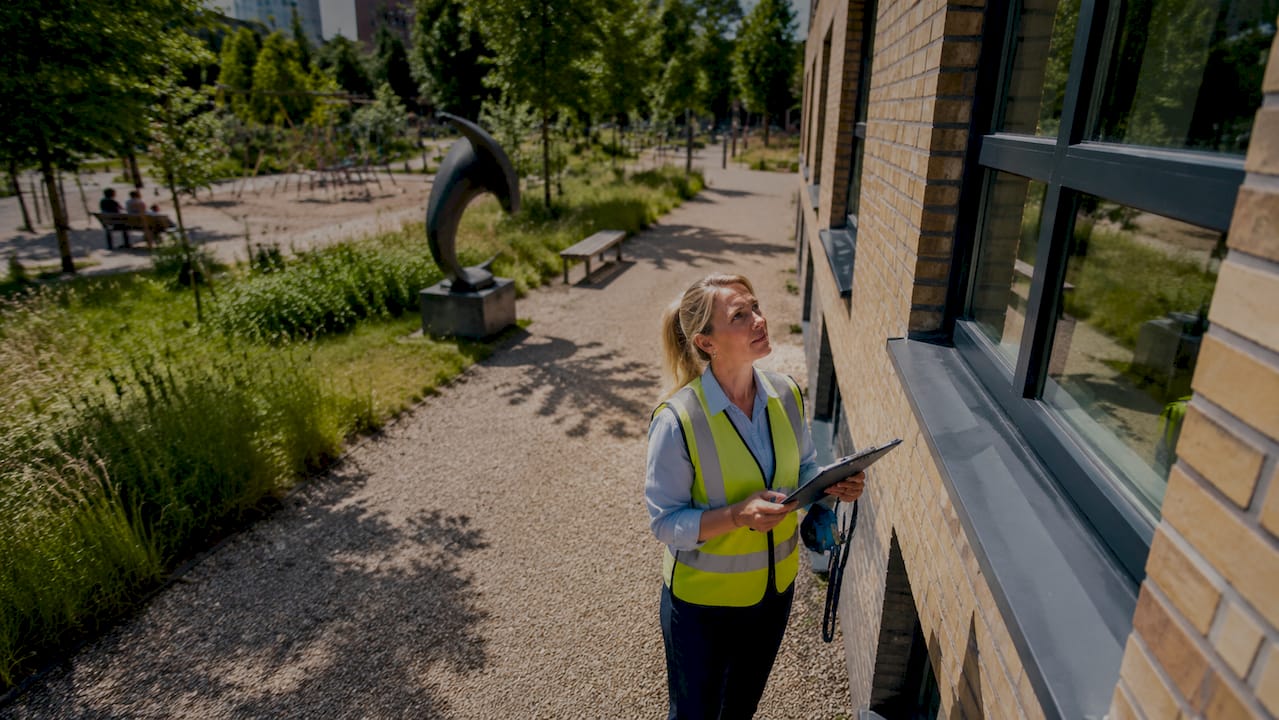
Working from the roof down: chimneys and roof coverings (from ground level and accessible vantage points), rainwater goods, external walls and pointing, windows and doors, internal walls and ceilings with damp-meter readings, floors, accessible roof space, and the visible parts of services — plus garages, boundaries and grounds. At Level 3, the surveyor examines construction and fabric in depth and explains each defect's cause and repair route, not just its rating.
Three things get confused with it. A mortgage valuation protects the lender's loan — often desktop-only, tells you nothing reliable about condition. A Red Book valuation establishes value for tax, probate or legal purposes — see the Red Book guide — it doesn't hunt defects. An EPC measures energy efficiency. Only a survey tells you what you're physically buying. It's also honest to say what a survey can't do: it is visual and non-invasive — surveyors don't lift fitted carpets or open walls, which is why reports flag “further investigation” where access was blocked.
Level 1 — a basic condition snapshot; rarely worth the saving. Level 2 (HomeBuyer) — the standard choice for conventional homes in reasonable condition: every element traffic-light rated, urgent defects flagged. Level 3 (Building Survey) — the old “full structural survey”: for older, extended, altered or unusual buildings. Full comparison in which house survey do I need.
In 2026: Level 2 from £400–£600, Level 3 from £600–£1,200 depending on property value, size and location — work yours out with the survey cost calculator. Inspection takes 2–4 hours; reports arrive within 3–5 working days — see how long a building survey takes.
A structured report — see a real building survey report example — with condition ratings or detailed defect analysis, photographs, urgent items flagged before exchange, and a call with your surveyor to ask anything. Findings routinely fund price renegotiation worth several times the fee.
Get a fixed building survey quote — RICS surveyors, reports in 3–5 days → get your quote · 0204 579 8270.
Survey Merchant provides vetted RICS surveyors across 100+ UK locations at fixed fees:
→ Level 2 Home Survey (HomeBuyer Report)
→ Level 3 Building Survey (full structural survey)
→ RICS Red Book property valuations
→ Party wall surveyors — notices, awards & schedules of condition
→ Expert witness surveyors — CPR Part 35 reports for property disputes