Building Surveying
Jul 16, 2026
What Does a Surveyor Do? Chartered Surveyors Explained
What a surveyor does, what chartered and RICS mean, the types of surveyor and which one you need for your situation.

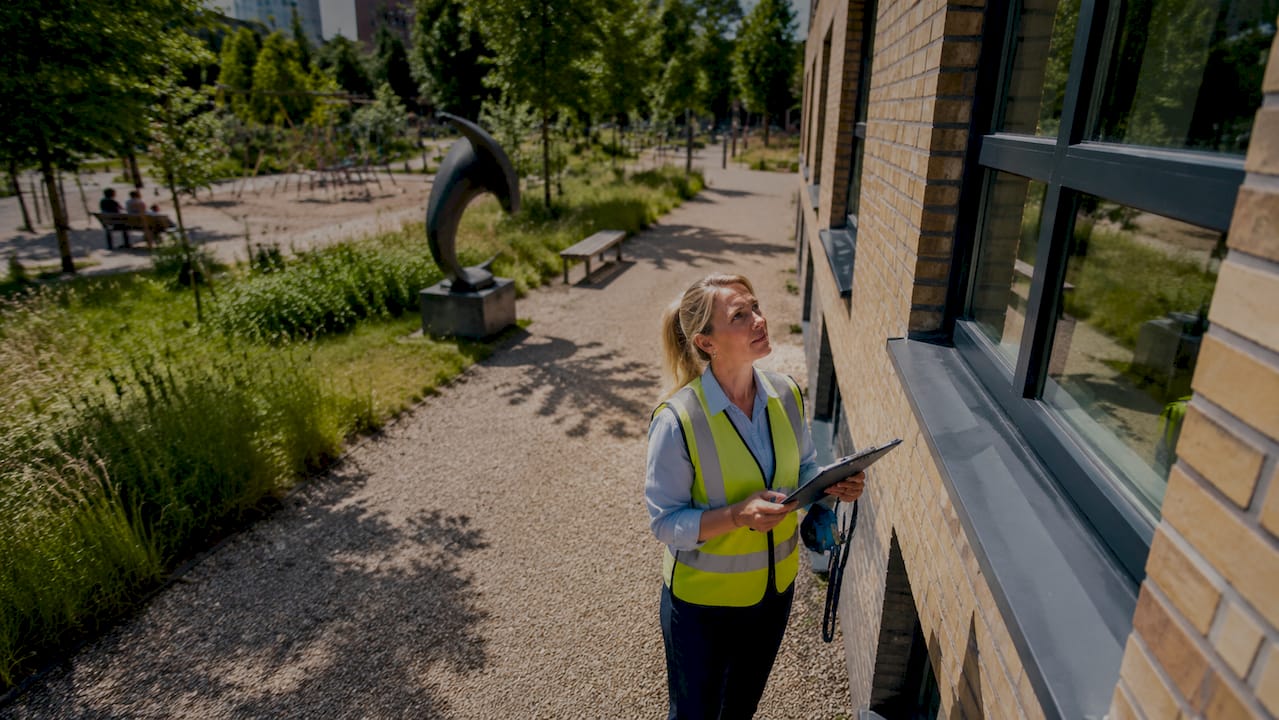
A surveyor is a professional who inspects, measures and values land and buildings — and then puts their name, qualifications and professional liability behind what they report. If you're buying a house, extending one, in a dispute with a neighbour or settling an estate, a surveyor is the person whose opinion banks, courts and HMRC will actually accept.
For homeowners and buyers, the work falls into four families. Condition: inspecting property before purchase — the Level 2 home survey and Level 3 Building Survey — finding the defects that cost real money. Value: producing Red Book valuations for probate, divorce, tax and schemes like Help to Buy. Rights: handling party wall matters, boundaries and lease extensions. Disputes: acting as expert witnesses in court with CPR Part 35 reports.
A chartered surveyor has qualified through the Royal Institution of Chartered Surveyors (RICS) — the letters MRICS or FRICS after their name — which brings enforced professional standards, mandatory insurance and a complaints regime. “RICS surveyor” and “chartered surveyor” effectively mean the same thing to a consumer: regulated, insured, and accountable. For valuations, look additionally for RICS Registered Valuer status — required for Red Book work that HMRC and courts accept.
Building surveyor — condition, defects, surveys before purchase: the one most homebuyers need. Valuation surveyor / Registered Valuer — formal valuations. Party wall surveyor — notices, awards and neighbour disputes. Quantity surveyor — construction costs; typically instructed by builders and developers, not homebuyers. Land surveyor — measurement and mapping. If you're unsure, describe the situation and let the panel match the specialist — that's precisely what Survey Merchant does across 2,400+ RICS surveyors.
Typical 2026 figures: Level 2 surveys £400–£600, Level 3 £600–£1,200, valuations £250–£500, party wall work from around £150 per notice — full detail in our survey cost guide. Fees are fixed and quoted before you commit. Tell us what you need and get a fixed quote →
Survey Merchant provides vetted RICS surveyors across 100+ UK locations at fixed fees:
→ Level 2 Home Survey (HomeBuyer Report)
→ Level 3 Building Survey (full structural survey)
→ RICS Red Book property valuations
→ Party wall surveyors — notices, awards & schedules of condition
→ Expert witness surveyors — CPR Part 35 reports for property disputes