Many property buyers in the UK treat a building survey as a box-ticking exercise. That is a costly mistake. Choose the wrong type of surveyor for your property and you could miss serious structural defects, damp problems, or asbestos issues that surface only after you have exchanged contracts. RICS Home Surveys come in three distinct levels, each suited to different properties and risk profiles. Understanding what building surveyors actually do, and which role fits your specific situation, is the single most important thing you can do before committing to a purchase or a major renovation.
Table of Contents
Key Takeaways
| Point |
Details |
| Surveyor roles vary |
Building surveyors offer different roles from basic checks to full structural advice. |
| Survey choice depends on risk |
Your property’s age, alterations, and issues determine the right surveyor type. |
| Specialist roles matter |
Surveyors can tackle specific problems like damp, party walls, or ongoing maintenance. |
| Expert advisers save money |
Using RICS-accredited surveyors helps you negotiate and avoid costly surprises. |
How to choose the right type of building surveyor for your needs
Selecting the right building surveyor is not just about price. The property itself, its age, construction type, condition, and what you plan to do with it, all shape which surveyor role you actually need.
Here are the main factors that should drive your decision:
- Property age: Homes built before 1970 carry higher structural risk and often hide defects that only a thorough inspection will uncover.
- Construction type: Non-standard builds such as timber frame, concrete construction, or thatched properties need a surveyor with specific experience.
- Visible issues: Cracks, damp patches, or sagging rooflines are red flags. Do not let a seller’s reassurances talk you out of a detailed inspection.
- Renovation plans: If you are planning an extension or significant refurbishment, a higher-level survey gives you a baseline and informs your budget.
- Listed or altered buildings: These carry legal obligations and structural complexities that standard surveys may not adequately address.
- New builds: Many buyers assume new homes are defect-free. They are not. A snagging survey is a separate, specialist role for new builds, and it is frequently underused.
As a rule of thumb, Level 3 surveys are essential for properties over 50 years old, those that have been altered, or any home with visible defects. For everything else, a Level 2 is often appropriate, but only when the property is modern, conventional, and in reasonable condition.
Understanding the benefits of RICS surveyors is equally important. RICS-regulated professionals follow a strict code of conduct and carry professional indemnity insurance, which means if they miss something they should have caught, you have legal recourse.
Pro Tip: Always verify your surveyor’s status before instructing them. Use the official directory at ricsfirms.com to confirm RICS regulation. It takes two minutes and protects your investment.
The Which? guide to house surveys is a useful starting point if you want an independent overview before speaking to a surveyor.
The three main RICS building surveyor roles explained
RICS Home Surveys are structured into three levels, each delivering a different depth of inspection and reporting. Here is what each role covers.
Level 1: Condition report
This is the most basic option. It uses a traffic light system to flag obvious issues and is designed for newer, conventionally built homes in good condition. There is no advice on repairs and no valuation. Think of it as a broad health check with no diagnosis.
Level 2: HomeBuyer report
This is the most popular choice for buyers in the UK. It covers visible defects, gives advice on repairs, and often includes a market valuation. The surveyor inspects accessible areas of the property and flags anything that needs attention, from roofing concerns to dampness in walls.
Level 3: Full structural survey
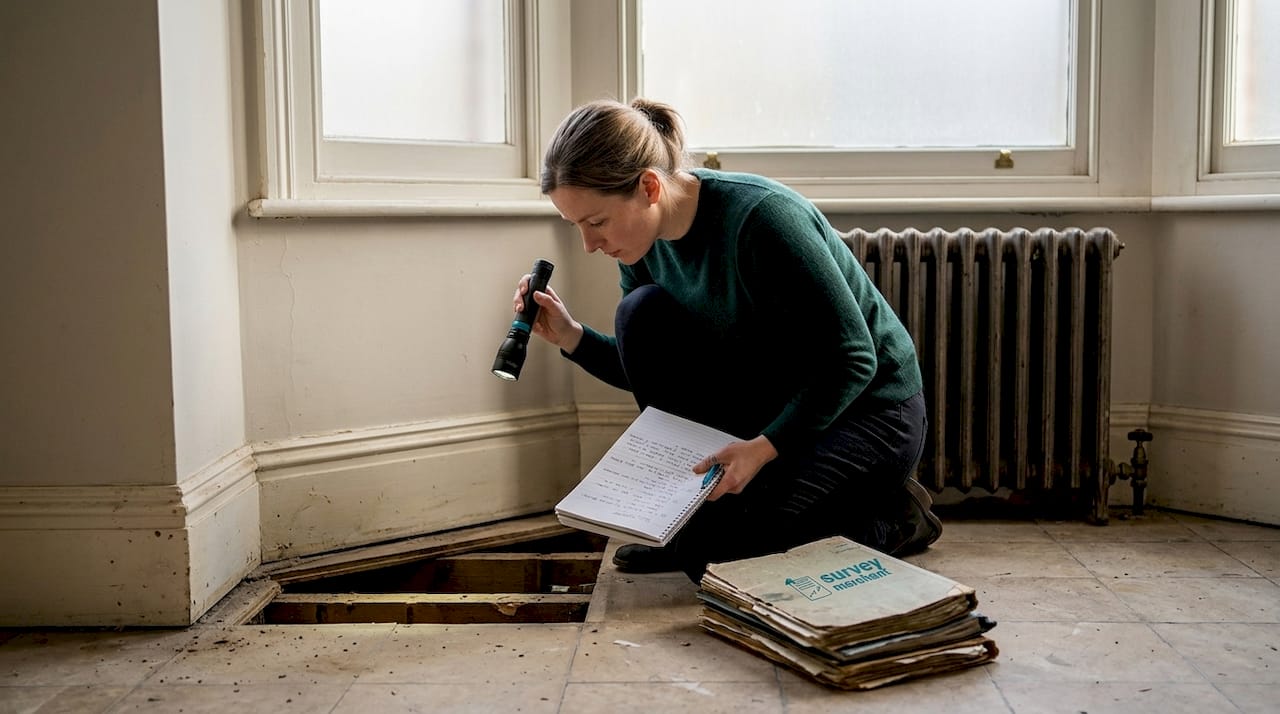
The most thorough of the three. A Level 3 surveyor inspects the structure in detail, including roof spaces and subfloor voids where accessible. The report includes specific advice on repair methods, estimated costs, and what happens if issues are left unaddressed. This is the right choice for older, altered, or high-value properties.
| Survey level |
Best for |
Depth |
Typical cost range |
| Level 1 |
New or near-new homes |
Basic |
£300 to £500 |
| Level 2 |
Modern conventional homes |
Moderate |
£400 to £1,000 |
| Level 3 |
Older, complex, or high-risk homes |
Full |
£600 to £1,500+ |
Understanding the Level 2 vs Level 3 survey distinction can save you significant money, either by avoiding unnecessary spend or by catching issues that justify a harder negotiation on price.
Key features of each level at a glance:
- Level 1: Traffic light ratings, no valuation, no repair advice
- Level 2: Defect identification, repair recommendations, optional valuation
- Level 3: Structural analysis, costed repair advice, hidden area inspection
For a closer look at the differences between Level 2 and Level 3 in practice, it is worth reading up before your surveyor appointment so you can ask the right questions.
Pro Tip: The level of report you commission directly affects your negotiating position. A Level 3 report with costed repair recommendations gives you hard evidence to push for a price reduction or insist the seller fixes issues before exchange.
Specialist building surveyor roles worth knowing
Beyond the core three survey levels, building surveyors carry out a wide range of specialist roles. These are particularly relevant for homeowners post-purchase, buyers of unusual properties, and anyone dealing with complex legal or structural situations.
“When a standard survey flags a concern, follow-up specialist surveys covering damp, drainage, or asbestos are strongly advised before proceeding.” Which?, House surveys explained
Common specialist surveyor roles include:
- Snagging surveys: Used for new-build homes to document incomplete or substandard work before you legally complete the purchase.
- Damp surveys: Diagnose the source and severity of moisture problems, distinguishing between condensation, rising damp, and penetrating damp.
- Drainage surveys: Usually involve CCTV inspection of underground drains. Essential if a standard survey flags drainage concerns.
- Asbestos surveys: Required by law for commercial properties and advisable for any residential home built before 2000.
- Party wall surveys: Required when construction work is planned near or on a shared boundary with a neighbour. This is a legal process governed by the Party Wall etc. Act 1996.
- Dilapidations surveys: Common in commercial leasing. These assess the condition of a property at the end of a lease and establish repair obligations.
- Defect diagnosis: Post-purchase inspections to identify what has gone wrong and why, covering everything from subsidence to roof failures.
- Maintenance planning: Building surveyors provide ongoing maintenance checks and compliance reviews to help homeowners manage their property long term.
For property owners planning building work close to a boundary wall, understanding party wall surveyor roles is essential before works begin. It is a legal requirement, not a suggestion.
If your project involves ground works, extensions, or new infrastructure, land and construction surveyor services may also be relevant alongside your building surveyor.
Comparison table: Building surveyor roles and when to use them
Here is a practical overview to match surveyor roles to your specific circumstances.
| Scenario |
Recommended role |
Risk level |
| Modern flat, good condition |
Level 1 or Level 2 |
Low |
| 1970s semi-detached |
Level 2 |
Low to medium |
| Victorian terraced house |
Level 3 |
High |
| New-build purchase |
Snagging survey |
Medium |
| Post-purchase damp concern |
Damp specialist |
Medium |
| Extension near shared wall |
Party wall surveyor |
Legal obligation |
| Commercial lease end |
Dilapidations surveyor |
High |
| Pre-2000 home, no asbestos check |
Asbestos survey |
Safety critical |
Now let us walk through some real-world scenarios:
- 1900s terraced house in Leeds: Full Level 3 survey is non-negotiable. Victorian builds carry significant risks including chimney stack movement, original timber floors, and outdated wiring. A Level 2 condition survey simply will not go deep enough.
- Modern flat built in 2015: A Level 2 HomeBuyer report is typically sufficient, provided there are no visible concerns. Level 1 is an option if the property is under ten years old and recently inspected.
- Renovation project on a 1960s bungalow: Start with a Level 3 survey, then commission a specialist asbestos survey before any works begin. Asbestos was widely used in UK building materials until the late 1990s.
- New-build detached house: Do not rely on the developer’s completion certificate. A professional snagging survey before handover can identify dozens of defects. Developers are legally obliged to fix them.
Some sources suggest Level 2 is sufficient for most modern homes, while Level 3 remains essential for high-risk properties. The key is matching the survey to the property, not to your budget preference.
For a detailed breakdown of what Level 3 surveys include, including how surveyors inspect roof spaces and subfloor areas, it is worth reviewing before your appointment.
An expert perspective: What most people miss when choosing their building surveyor
Most buyers treat the survey as the final admin step before exchanging contracts. That mindset is the problem. In reality, a building survey is one of the most powerful tools in a property negotiation. Surveys give buyers evidence to negotiate on price or request repairs before exchange, and that leverage can be worth thousands.
The cases surveyors see most often involve buyers who chose a Level 2 for an older property to save a few hundred pounds, only to face four-figure repair bills within the first year. Missed damp, unidentified asbestos, and concealed roof defects are the most common culprits.
There is also the ongoing role that most homeowners never think about. A surveyor who understands why surveyor expertise matters can provide a maintenance schedule after purchase that prevents major deterioration. That kind of proactive advice regularly saves homeowners significant sums over a five-year period.
RICS accreditation is not optional. It is the baseline standard that protects you legally and financially if something goes wrong.
Ready to book the right surveyor for your property?
Knowing which surveyor role you need is only half the job. Finding a qualified professional who specialises in your property type is the other.

Survey Merchant connects you with RICS-regulated surveyors across the UK, covering everything from standard HomeBuyer reports to complex specialist inspections. Whether you need building surveying services for a Victorian terrace, party wall experts for your planned extension, or commercial property surveys for a business premises, our panel has the right specialist for your situation. Get a tailored quote and take the guesswork out of your next property decision.
Frequently asked questions
Which building surveyor role is best for an older property?
For older, altered, or visibly defective properties, a Level 3 building surveyor is strongly recommended. Level 3 is essential for homes over 50 years old, listed buildings, and any property with structural concerns, as it provides full checks and costed repair advice.
Do all homes need a full building survey?
No. Most modern, conventionally built homes are well served by a Level 2 HomeBuyer report, while Level 3 is for riskier properties with greater age, complexity, or visible defects. Match the survey level to the property, not your budget.
What does a building surveyor do after you buy your home?
Post-purchase, surveyors can diagnose defects and create maintenance plans, check for legal compliance, and advise on planned works. It is a role that extends well beyond the initial purchase transaction.
How do I check if a surveyor is RICS-accredited?
Search ricsfirms.com to confirm official RICS-regulated status. Prioritising RICS-regulated surveyors ensures credibility, professional conduct standards, and legal recourse if the inspection falls short.
Recommended