Party Wall
Jul 22, 2026
Building Survey Costs & Party Wall Fees: 2026 Guide
Avoid £10,000 in repair bills. Building surveys cost £400-£1,500, while party wall fees average £1,000.

Buying a property without a survey is a financial gamble with a 25% failure rate. Data confirms that one in four buyers who skip a professional inspection face over £5,000 in unexpected repairs within twelve months of moving in. You are risking a £10,000 bill for structural defects that a £600 survey would have caught before you committed to the purchase. We will show you exactly why building survey costs for a Level 3 report start at £900 and how that fee pays for itself by giving you the power to renegotiate the sale price.
If you are planning an extension, ignoring the legal requirements of the Party Wall Act is even riskier. While party wall surveyor fees and charges average £200 per hour, this investment prevents a £5,000 legal injunction or a massive repair claim from a neighbor. Every pound spent on professional advice saves ten pounds in emergency fixes. Dig into your specific project requirements and calculate your potential risks using the tool below.
Enter your project postcode to see instant environmental and planning constraints stored in our UK database.
Buying a property without a detailed inspection is a gamble that rarely pays off. Most buyers see a house as a finished product, but the structure is a living system that reacts to soil, weather, and age. If you ignore the underlying health of the brickwork or the legal requirements of your boundaries, you face costs that dwarf the price of a survey. Understanding these risks is the only way to protect your capital.
Foundation failure is the most expensive defect a homeowner can face. Subsidence occurs when the ground beneath your home shrinks or shifts, pulling the walls down with it. In the UK, repairing significant structural movement costs an average of £12,500. However, if the damage is severe enough to require underpinning, costs often exceed £25,000. This process involves digging beneath the existing foundations and pouring new concrete to stabilize the building. It is a slow, invasive, and incredibly expensive procedure.
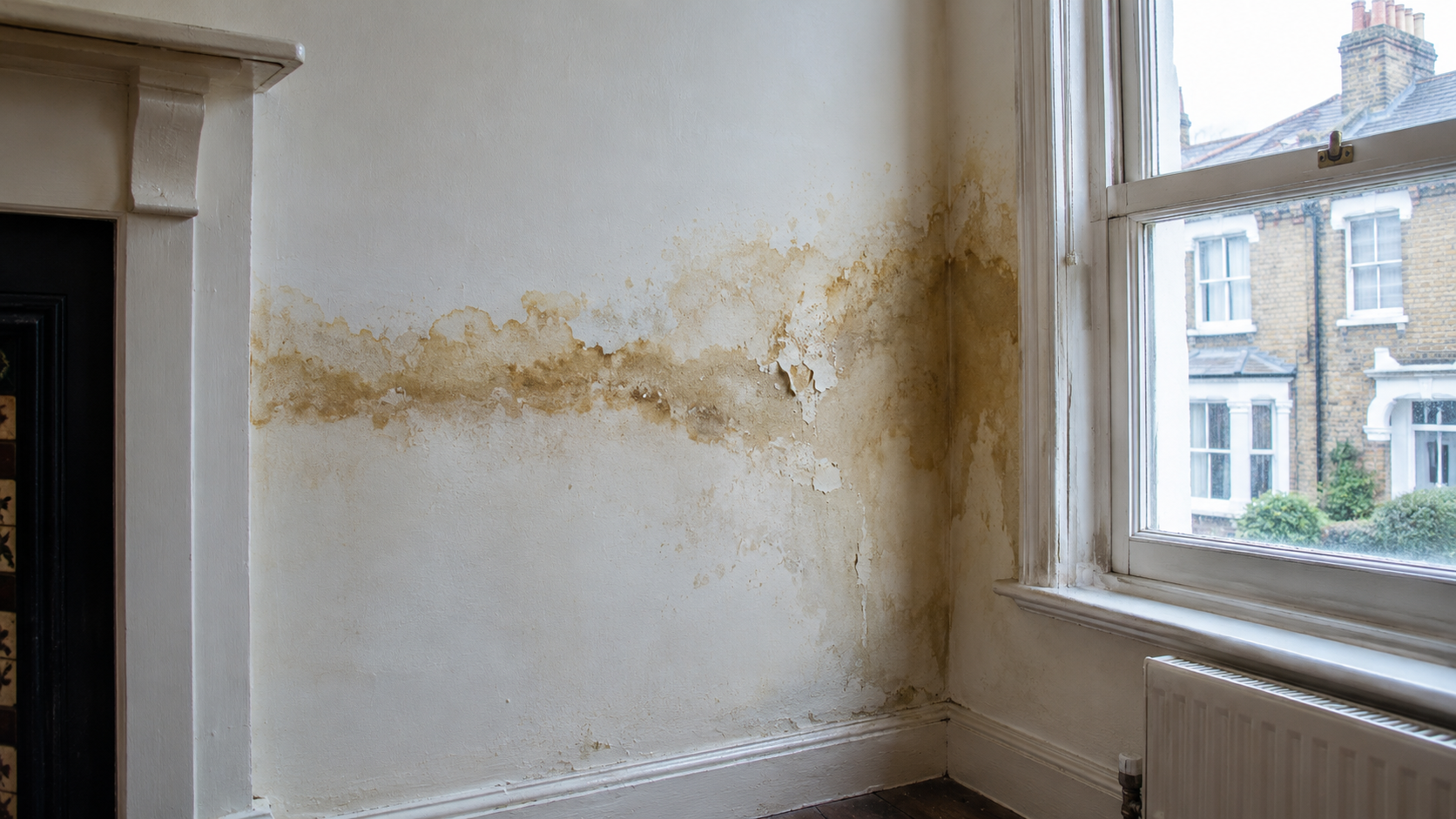
Sellers often hide these issues through cosmetic fixes. They use flexible filler on diagonal cracks around window frames and apply fresh layers of paint to mask "stepped" cracking in the mortar. A casual observer sees a well-maintained room. A RICS Level 3 surveyor sees the evidence of a shifting structure. They look for uneven floor levels and doors that no longer sit square in their frames. Without this expertise, you inherit a debt. If you pay £800 for a survey and uncover £12,000 of foundation work, you gain the power to renegotiate the purchase price or walk away. If you skip it, you are responsible for the bill the moment you get the keys.
The Party Wall etc. Act 1996 is a strict legal framework, not a set of optional guidelines. If you plan to build an extension, dig foundations within six meters of a neighbor, or cut into a shared wall, you must serve a formal notice. Many homeowners ignore this step to avoid paying a surveyor £1,000 to £2,000 for a Party Wall Award. This is a dangerous mistake. If a neighbor feels their property is at risk, they can apply for a High Court injunction to stop your work immediately.
The legal fees for an injunction range from £3,000 to £7,000. You will likely be ordered to pay your neighbor’s legal costs as well as your own. While the legal battle continues, your builders will charge "standing time" or "delay damages." These fees typically range from £200 to £500 per day for a small crew. A two-week delay can easily add £5,000 to your build cost before you have even laid a single brick. A building survey identifies these boundary risks early. It ensures you serve the correct notices and protects you from predatory legal action by establishing a clear schedule of condition for the neighboring property.
A mortgage valuation is not a survey. It is a brief check for the lender to ensure the property exists and matches the sale price. If the valuation is done late in the process, or if a more detailed inspection is triggered by the lender’s concerns, you face a total loss of your deposit. Lenders will withdraw mortgage offers if they find evidence of Japanese Knotweed, dry rot, or severe damp. These issues compromise the security of their loan.
The danger is highest between the exchange of contracts and completion. Once you exchange, you are legally bound to buy the property. If your lender pulls the offer because of a hidden defect, and you cannot secure alternative funding, you will default. In this scenario, you lose your 10% deposit. On a UK home priced at the average of £285,000, that is a loss of £28,500. You also become liable for the seller’s legal fees and any loss in value if they have to sell the property to someone else for a lower price. A comprehensive survey costs between £600 and £1,500. Spending this money at the start of the transaction acts as an insurance policy against the catastrophic loss of your life savings.
Calculate exactly how much this problem is costing you right now:
Complex sites cost more to survey. Select the features present on your land for a rough complexity estimate.
Building survey costs are an investment in risk mitigation. You must select a survey level that matches the property’s age and construction type. An RICS Level 1 survey is the entry-point option, costing between £400 and £600. It uses a traffic light system to flag visible defects. This level is appropriate for modern homes built within the last 10 years that appear to be in good condition. It does not provide repair advice or deep structural analysis.
For standard properties built after 1970, an RICS Level 2 HomeBuyer report is the standard choice. Expect to pay between £600 and £900. This report identifies issues like rising damp, subsidence, and thermal efficiency. Statistics show that roughly 20% of buyers who rely solely on a mortgage valuation face an average of £5,750 in unexpected repair costs within the first year. Spending an extra £300 on a Level 2 survey prevents this financial shock.
Properties built before 1950, or those with unusual layouts and visible cracks, require an RICS Level 3 Building Survey. These cost between £900 and £1,500. The surveyor will check the attic, lift floorboards where possible, and examine the cellar. This report provides a detailed breakdown of construction materials and specific repair costs. For a Victorian terrace, a Level 3 survey often identifies timber rot or chimney stack instability that a basic inspection would miss. Dig into the details of these reports to understand the true cost of ownership before you sign a contract.
If you plan to build near a boundary or dig foundations within three to six meters of a neighbor, the Party Wall etc. Act 1996 applies. Party wall surveyor fees and charges vary based on the complexity of the project. For simple tasks, such as installing a steel beam in a party wall, some surveyors offer fixed-price notices for £75 to £150 per neighbor. This covers the initial paperwork required to start the legal process.
When a neighbor "dissents" to your notice, the costs increase. Most surveyors charge hourly rates between £150 and £250. If the neighbor appoints their own surveyor, you are legally obligated to pay for both. This often results in a total bill of £2,000 to £3,000 for a standard domestic extension. While these costs seem high, they cover site inspections and the creation of a Party Wall Award. This document acts as a legal shield. It defines how and when work happens, reducing the risk of a £5,000 legal injunction that could stop your project for months.
A survey report is a powerful tool for renegotiating a property price. If a Level 3 report identifies "Condition Rating 3" (red-rated) issues, you have concrete evidence to ask for a discount. For example, if the surveyor identifies that the roof requires urgent replacement, get three quotes from local contractors. A new roof for a semi-detached house typically costs between £8,000 and £12,000.
Present these quotes to the seller alongside the survey report. Many buyers successfully secure a price reduction of £5,000 to £10,000 by highlighting these liabilities. If the seller refuses to lower the price, you can ask them to fix the issues before completion. If they refuse both, the £1,000 spent on the survey has saved you from a £10,000 financial trap. Always use the surveyor’s professional data to justify your request rather than emotional arguments.
A Schedule of Condition is a detailed photographic and written record of a neighboring property's current state. It costs approximately £600 but serves as your primary defense against fraudulent or mistaken damage claims. During a construction project, neighbors may notice cracks in their plaster and assume your heavy machinery caused them. Without a pre-construction record, you have no way to prove the cracks were already there.
Repairing structural cracks and redecorating a neighbor's hallway can easily cost £4,000 or more in labor and materials. If your £600 Schedule of Condition shows the cracks existed before you broke ground, the claim is dismissed immediately. This small upfront cost prevents long-term legal disputes and maintains a positive relationship with your neighbors. It is a high-yield insurance policy for any homeowner undertaking a renovation or extension.
To see how these costs fit into your project timeline and compare different surveyor service packages, see the comparison and timeline tool below.
Illustrative example: how drone LiDAR can compare to traditional manual surveying by site size.
Final step. Tell us what you need and we'll generate a priority quote instantly.
Survey Merchant provides vetted RICS surveyors across 100+ UK locations at fixed fees:
→ Level 2 Home Survey (HomeBuyer Report)
→ Level 3 Building Survey (full structural survey)
→ RICS Red Book property valuations
→ Party wall surveyors — notices, awards & schedules of condition
→ Expert witness surveyors — CPR Part 35 reports for property disputes